Closure

Glorious fabric, few appreciative eyeballs

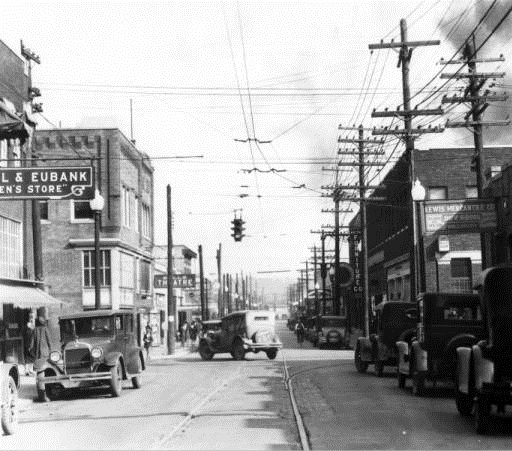
The recent report in the Birmingham News that Cotton’s department store in downtown Ensley is closing after 90 years of business gives us the chance to think about Ensley’s downtown district and its future (19th Street at Avenue F looking west, above). A reminder of Birmingham’s industrial boom, the historic district was once a thriving node of commerce, entertainment, and business in the western part of the City. Its scale and density startles the visitor today: not only was it the center of a neighborhood of more than 20,000 people, but others from surrounding neighborhoods would visit to shop, dine, or attend a show. That all of this could flourish in a place only 7 miles out from Birmingham’s city center testifies to the population base that was thickly spread within the city limits decades ago.
Dreams of grandeur

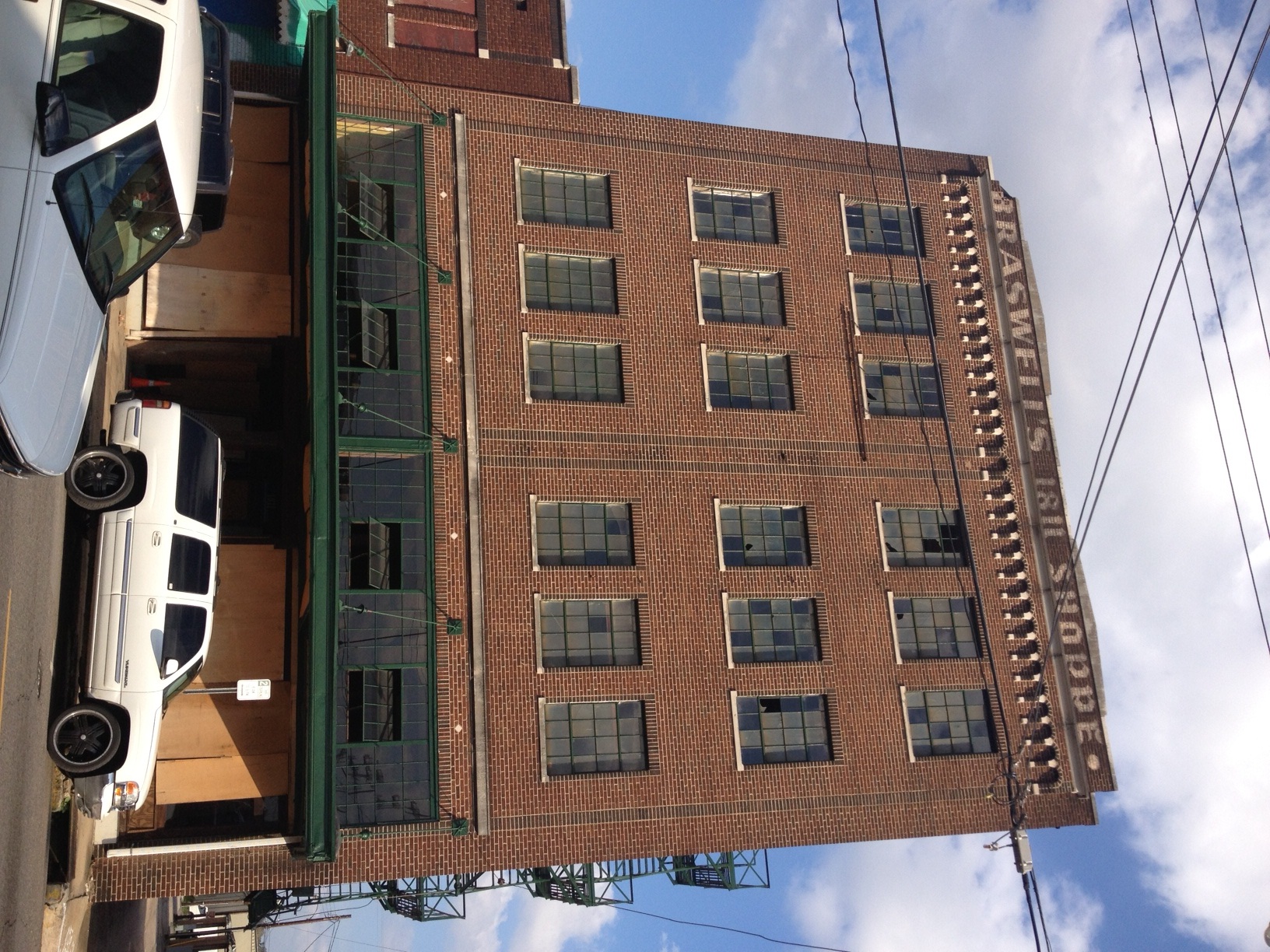
The former Birmingham-Ensley Land Company headquarters building (above at 19th Street and Avenue H) architecturally symbolizes the confidence real estate developers had in the area in the 1920’s, when the Ensley Works were producing steel at full blast and employed thousands of workers. Today, more than 30 years after the last steel plant closed, less than 4000 people inhabit the neighborhood. This statistic, and similar ones in surrounding neighborhoods, means a commercial district designed for a much larger population now serves a much shrunken one. Despite its surface charm, no new paradigm has arrived to help fill the storefronts.
Multimodal

Part of the charm of downtown Ensley is the relative narrowness of certain streets, like 19th Street seen above in the early 1920’s; note the streetcar tracks which allowed people to move between Ensley, adjacent neighborhoods, and central Birmingham and beyond. The streetcars stopped in the 1950’s in conjunction with the spread of car culture across this country. Suburban flight and decline of heavy industry hollowed out much of Birmingham proper.

Uphill battle against crime, real and perceived

The West Precinct of the City of Birmingham Police Department (above, 19th Street and Avenue G)–while architecturally a creature of the 1960’s with its suburban-style setback and sculptural massing–is in scale and expense a reminder of the importance of Ensley as a hub of the City’s west side. Unfortunately this west side has seen its share of problems with crime over the ensuing decades. While much of this issue has improved, the perception still lingers, which of course can be equally as challenging for any neighborhood.
The potential is there

For a myriad of reasons, one by one many of the buildings in this district have lost their occupants. While the 10-story Ramsay-McCormick Building is perhaps the most famous empty building in the district, many other significant structures also cry out for new purpose (above, commercial structure at Avenue F between 19th and 18th Streets).
Blank facade, for a reason

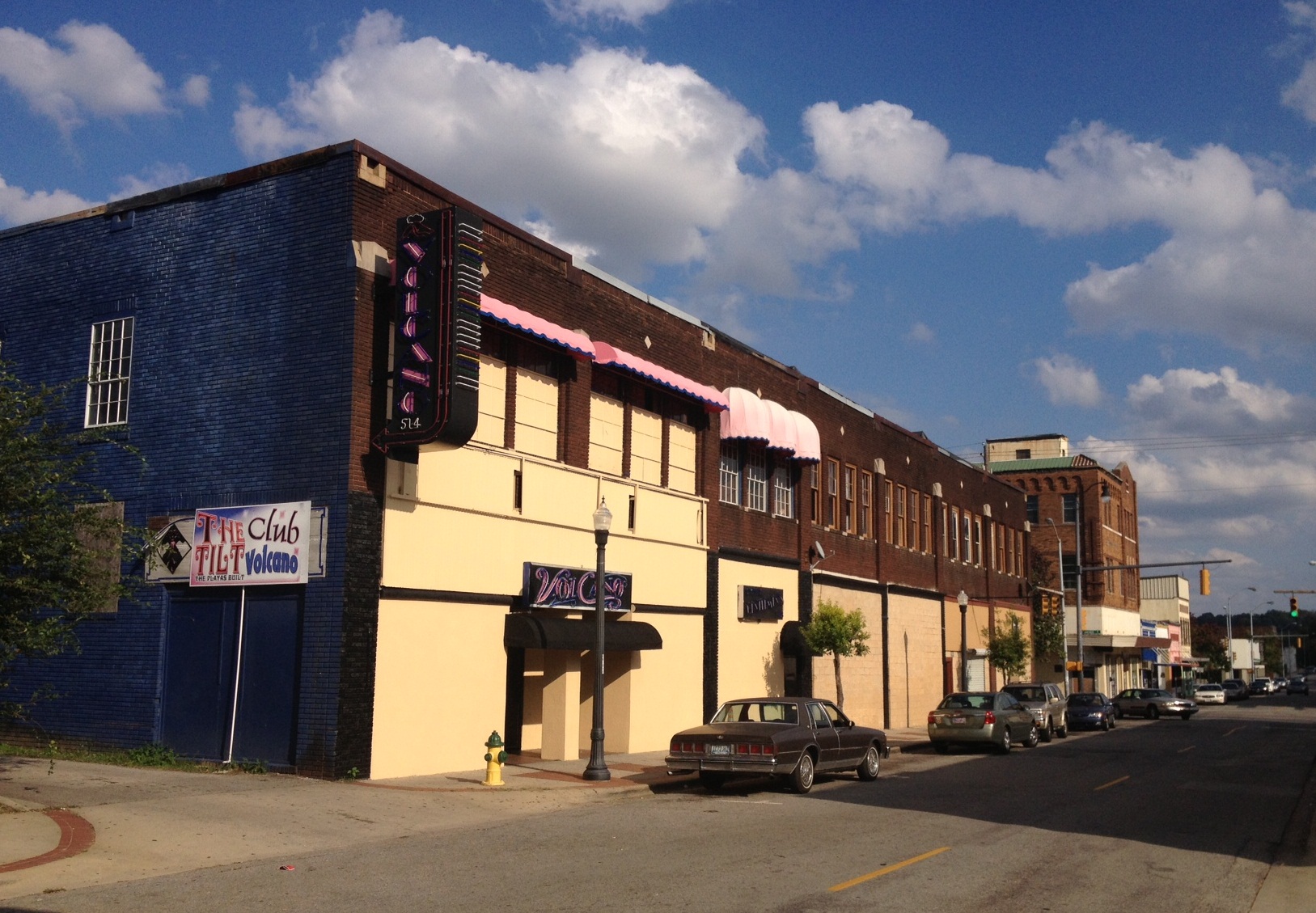
Some buildings in the district have found new purpose: the Volcano ‘gentleman’s club” (above on 19th Street between Avenues E and F) is an adult entertainment complex that joins a few other nightclubs, beauty salons, barber shops, and churches that have filled some of the buildings. This is hardly a recipe for a vibrant district of course. A more diverse mix is needed.

Still there….

One long-time business that remains is Gilmer Drug Company (above, 19th Street between Avenues D and E), which although its posted hours declared it open on a Saturday afternoon, nevertheless appeared shut. Not a great sign for ongoing viability of any business.
Corner anchor, about to vanish

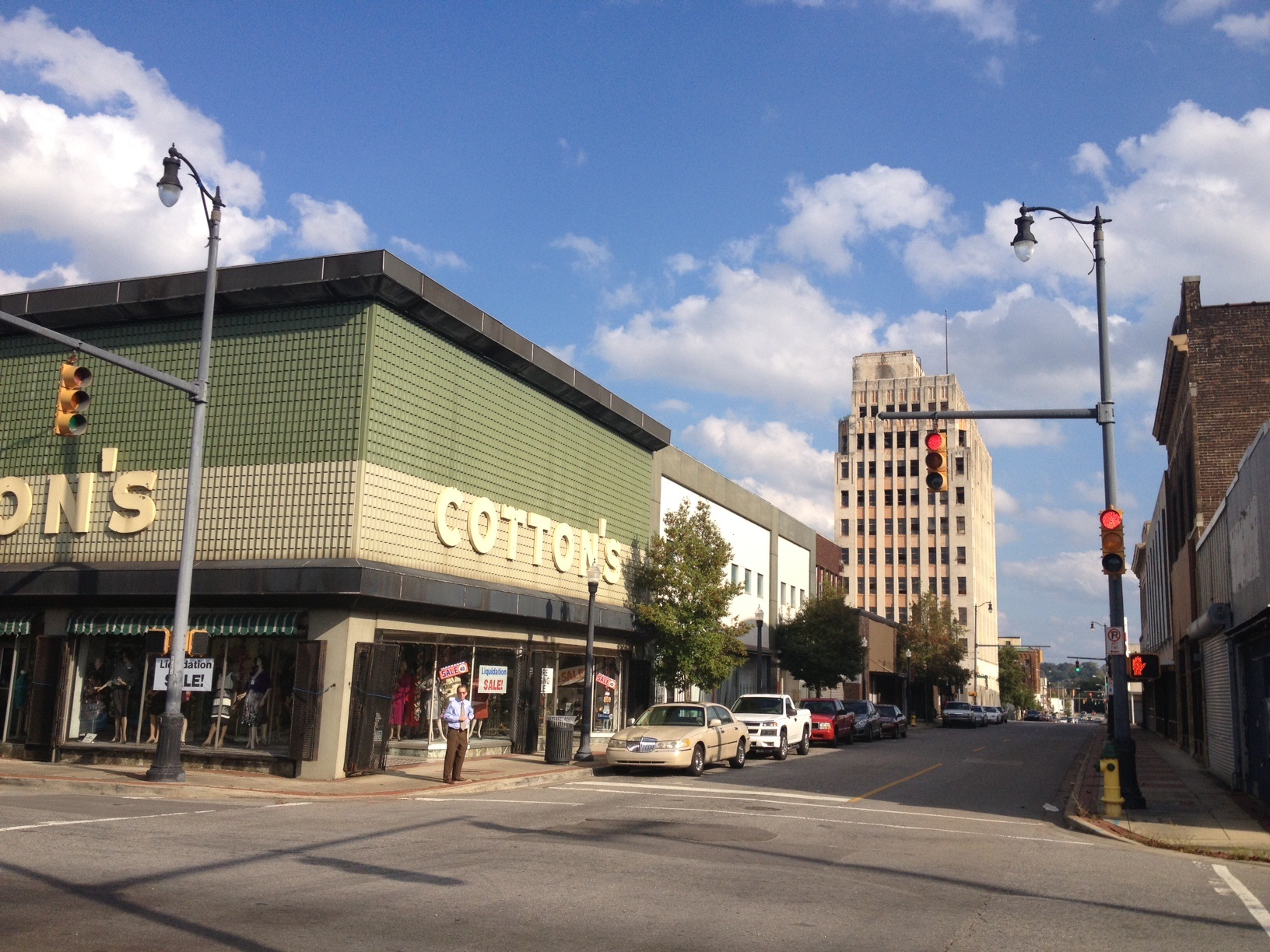
This brings us to Cotton’s (above, looking east on 19th Street from Avenue D). This somewhat old-fashioned, family-run “clothing department store” is the last retailer of note in the district. While sad it’s closing after 90 years of service to Ensley, we should be grateful they managed to hang on as long as they did. They used to be in the middle of other retailers, theaters, offices, restaurants. When all those fell away, Cotton’s remained, supported by a loyal clientele that continued to shop there even if they no longer lived close by.
Old school

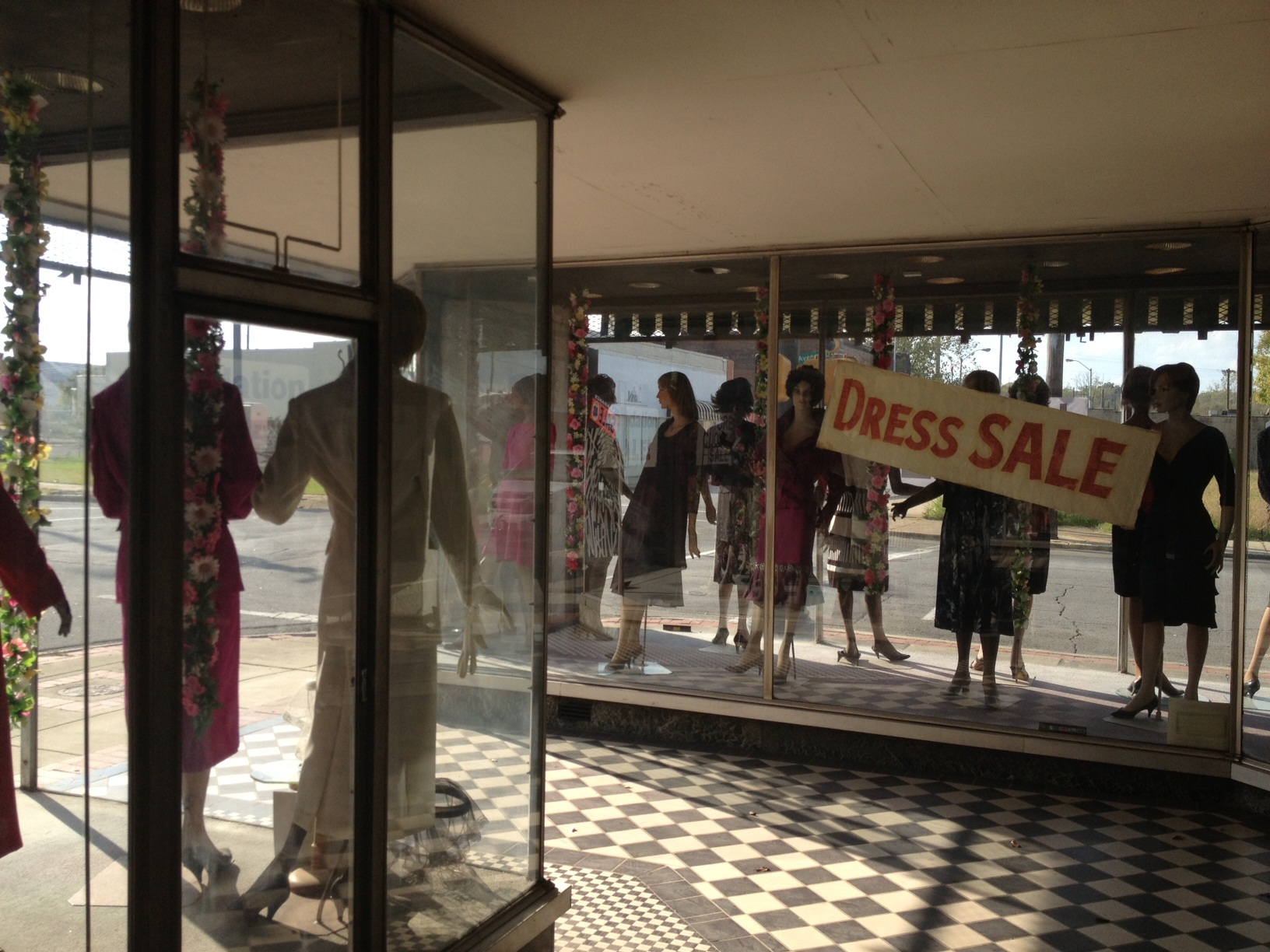
For anyone interested in the history of retail and shop windows, it’s worth traveling to Cotton’s before it closes just to see the fantastic shop windows (above), that are arranged around a U-shaped outdoor passage so that you can “window shop” from dozens of different angles. This type of display was once common in downtown Birmingham and across the country, but it’s very rare to see one survive today. The mannequins, the spatial quality, the views all add up to an urban experience that was once commonplace, and is now virtually lost. Not just here, but anywhere.
Troubling trend

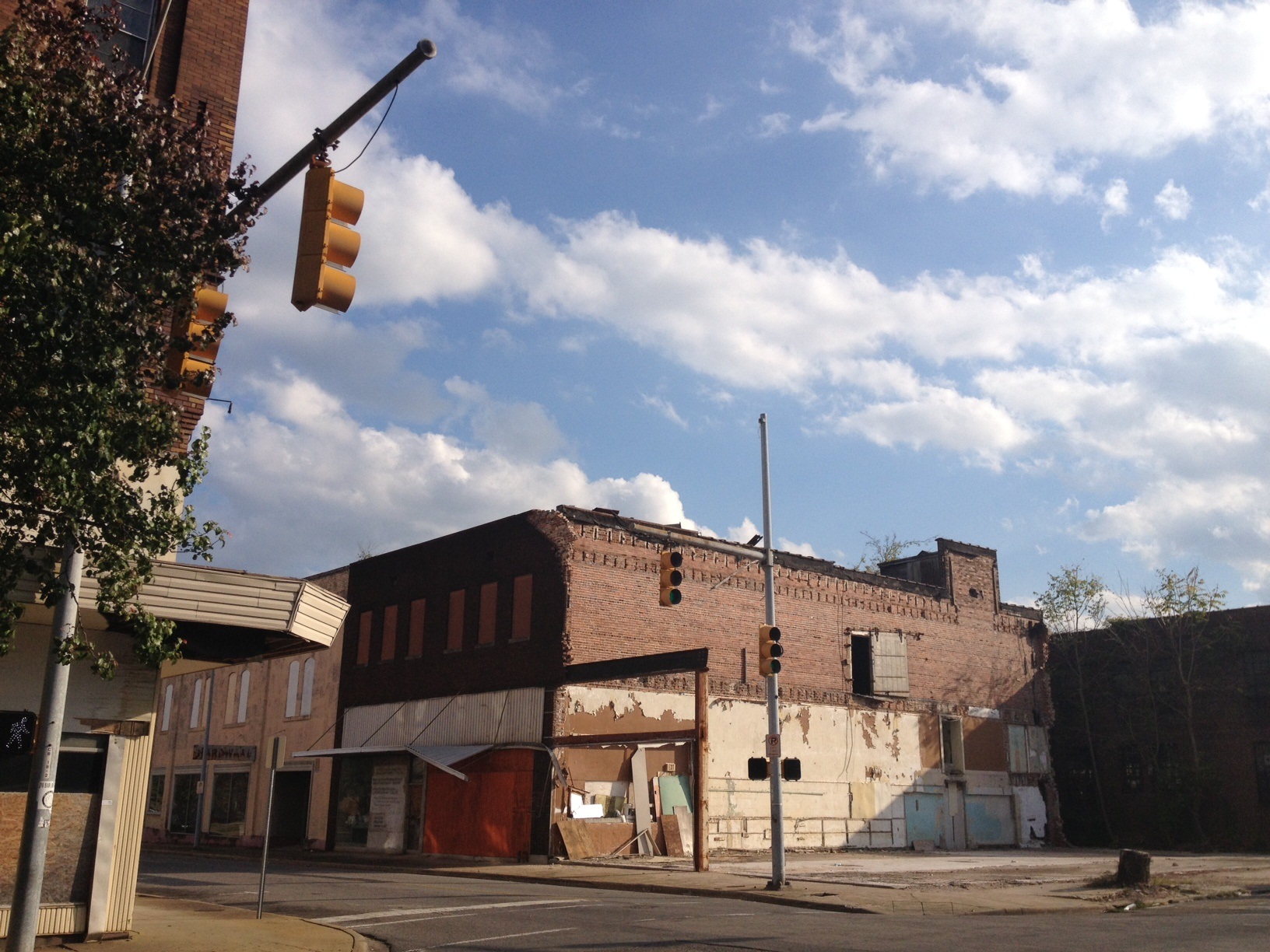
Whither Ensley? Organizations such as Main Street Birmingham have worked hard to identify possible rejuvenations; the new Birmingham Comprehensive Plan highlights Ensley (and the massive amount of adjacent, formerly industrial property) as a focus area. But time is working against us. The Ramsay-McCormick building, in its art-deco glory, stands open to the elements. Building after building along 19th Street is endangered structurally–and some have already succumbed: above on 19th Street and Avenue G all that remains of a historic structure is the steel frame of its storefront. Other entire blocks have been demolished and sit gathering weeds. So many other cities would kill to have this sort of authentic urban environment within their limits. I hope we can figure out a way to make this district thrive once again.

[thanks to Birmingham Public Library for the historic photo]


Signage writ large

Communicating a brand big time

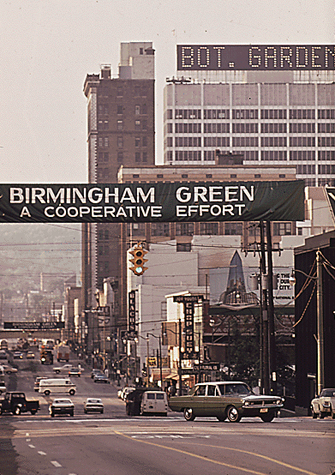
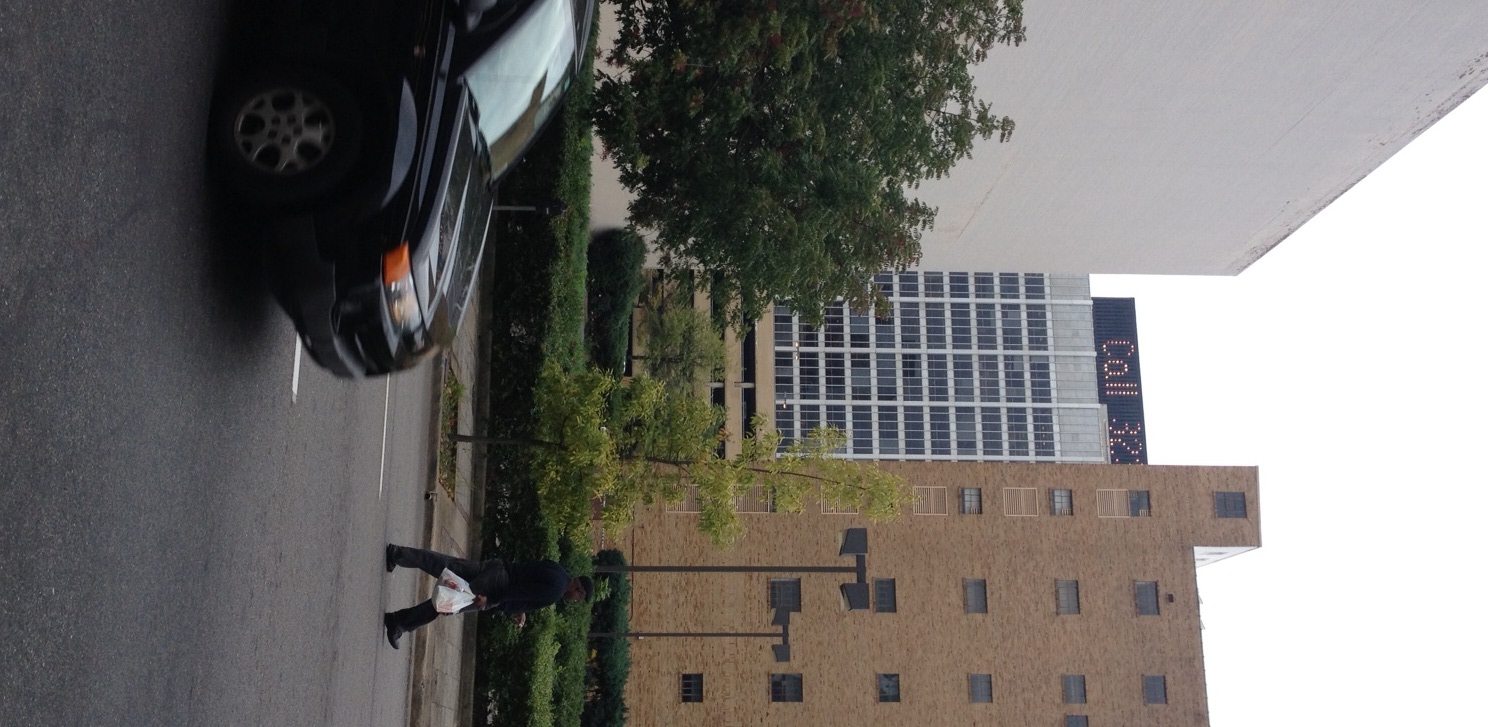
Today at Design Review Committee, Harbert Realty presented a proposal to wrap the electronic message board atop Two North 20th (corner Morris Avenue and 20th Street North, the former Bank for Savings building) with a massive vinyl advertisement for Pepsi (rendering, above). This is probably an unprecedented request, but the message board itself is unique to the City and Alabama, and therefore presents a special context for debate.

The latest technology, ca. 1971

The giant electronic sign, with its ability to scroll messages with some 1,280 incandescent light bulbs, went up in 1971 as a symbol of a new, modern Birmingham emerging from the turbulent 1960’s. Above, we see the new sign in context over a soon-to-be-greened 20th Street North (note the billboard on the right for the new First National-Southern Natural building, now Regions Center). Over the years, the cost of maintaining the sign has caused it to change hands and go dark periodically. Harbert stated today that they can no longer afford to run the sign as-is; they want to convert it to LED technology when economic conditions permit. Until then, they want to hit the off switch, and rent it out for the Pepsi advertisement.

Ubiquitous

Despite the obsolete technology, and the fact that no sign like this would ever be approved today (there were no design review approval districts back in 1971), there is a certain civic fondness for the quirkiness of the sign. Committee member Mark Fugnitto lauded the existing sign for both its retro quality and its ability from a distance to blend into the urban context. Cheryl Morgan wondered why Pepsi wouldn’t agree to a more custom, artistic banner that would be tailored for Birmingham in lieu of the generically commercial design presented. In the end, the Committee refused the applicant, and asked for him to return with another design.

There is no question the sign is about to go dark; at issue is whether it just sits dark, or gets the Pepsi banner. Harbert’s representative was pessimistic he could convince Pepsi (through local distributor Buffalo Rock) to modify the banner. This unique part of the skyline can be allowed to change with the times. Keeping it special and beloved will be a challenge.

[thanks to Harbert Realty for the rendering, and bhamwiki for the historic photo]
Design Review October 10

Below is the agenda for this week’s October 10 Design Review Committee meeting. Remember, the meetings are open to the public and take place at 7:30 AM at Auburn Urban Studio, 3rd Floor of Young and Vann Building, corner of 18th Street North and First Avenue downtown.

 I.        Call to Order: Minutes of the September 26, 2012 meeting.

 II.        Name: Mr. Stephen Boehme (Twin Construction Co.)

Site Address: 3208 Carlisle Road

District: Red Mountain Suburbs Local Historic

Requesting approval for:  Stairwell addition; door installation to replace existing window

III.       Name: Ms. Sharon Bradshaw (Scott Services)

Site Address: 2100 3rd Avenue, North, Cadence Bank

District: 21st Street District

Requesting approval for: sign

IV.       Name:  Mr. Keith Willcut (All South Sign)

Site Address:  1409 5th Avenue North, Jim Burke Automotive

District: Downtown NW

Requesting approval for: Signs

V.        Name: Mr. Brad Ward (The Sign Shop)

Site Address:  2304 12th Avenue, North (Greater Birmingham Ministries)

District:  12th Avenue North

Requesting approval for: Sign

VI.       Name: Mr. Dayne Nelson (Sign and Graphics Inc.)

Site Address: 2170 Highland Avenue, South (Alamerica Bank)

District:  Five Points South

Requesting approval for:  Signage

VII.     Name:  Mr. Keith Rouss (Harbert Realty)

Site Address:  2 North 20th Street

District: Birmingham Green

Requesting approval for:  Roof top advertising sign

VIII.    Name: Mr. David Brandt (Fravert Services)

Site Address: 805 St. Vincent’s Drive

District: Lakeview

Requesting approval for: Campus signage plan

Lessons from Macon

Memorable proportions

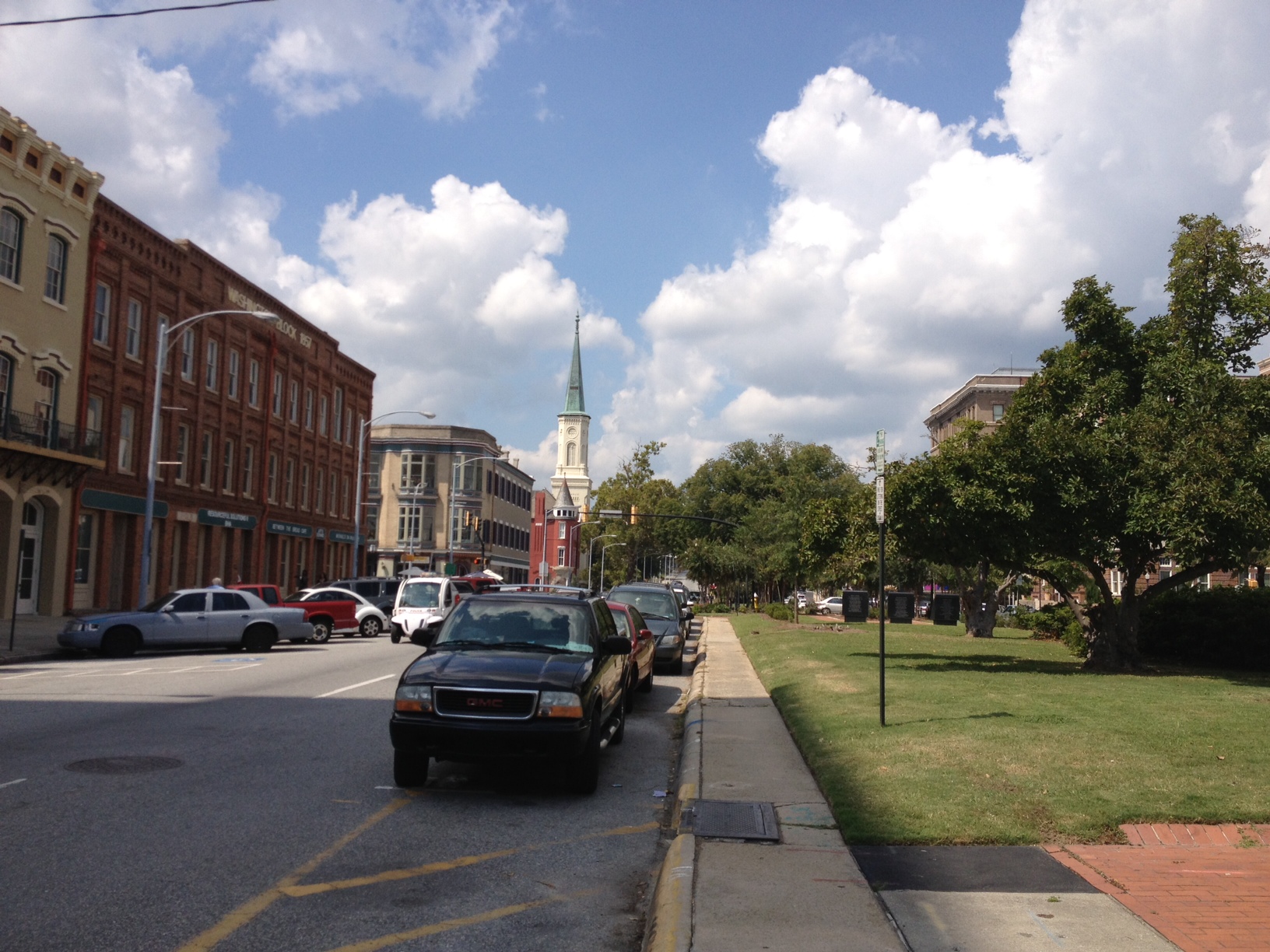
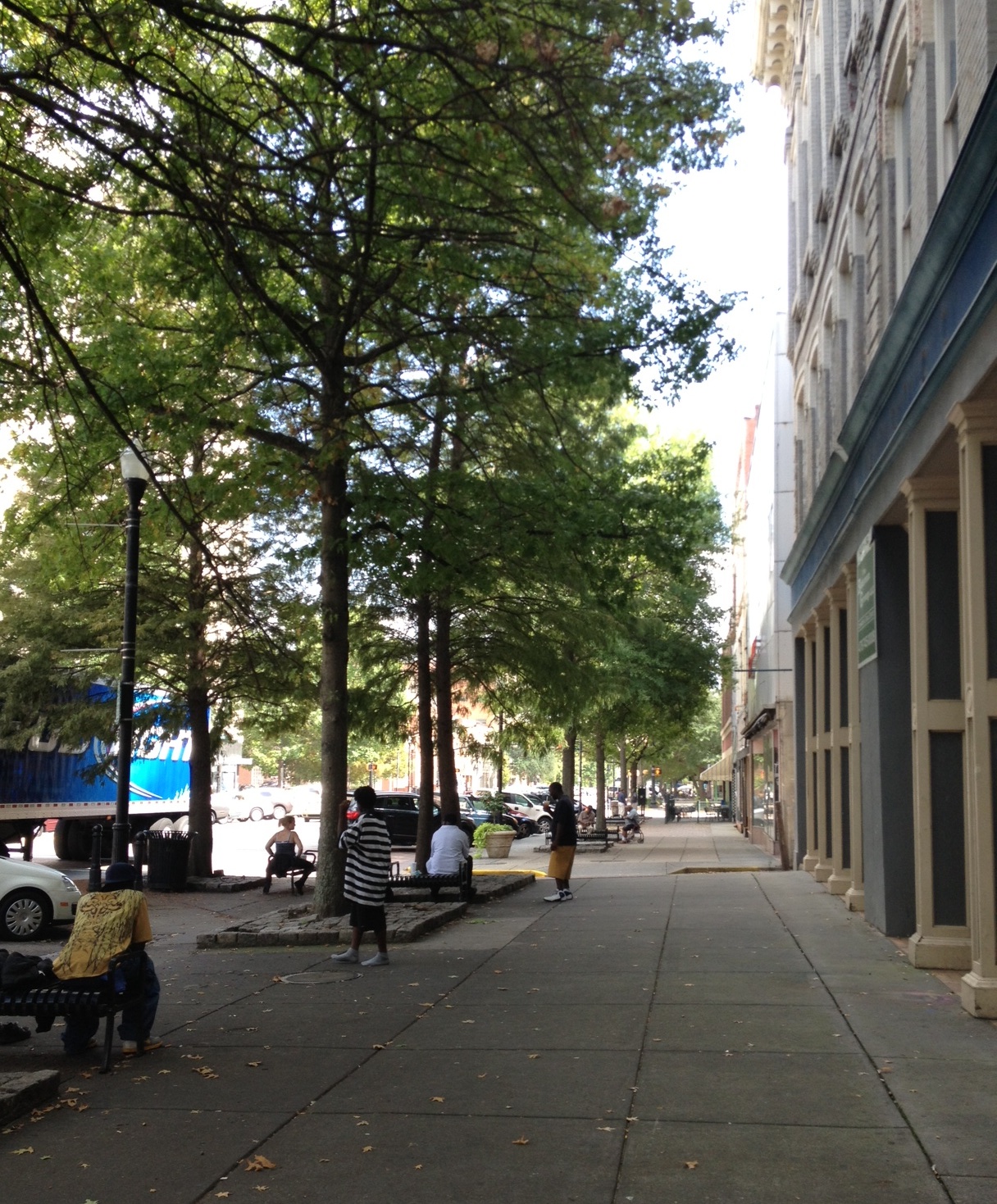
A recent trip to Macon, GA –about a 4 hour drive southeast of Birmingham–revealed an interesting downtown undergoing a revitalization. Above is one of the many blocks in the historic core whose streets are divided by large, park-like medians. Not only do these medians give the pedestrian an alternative to the sidewalk, but they introduce a large amount of green space into the core.

A certain Southern charm

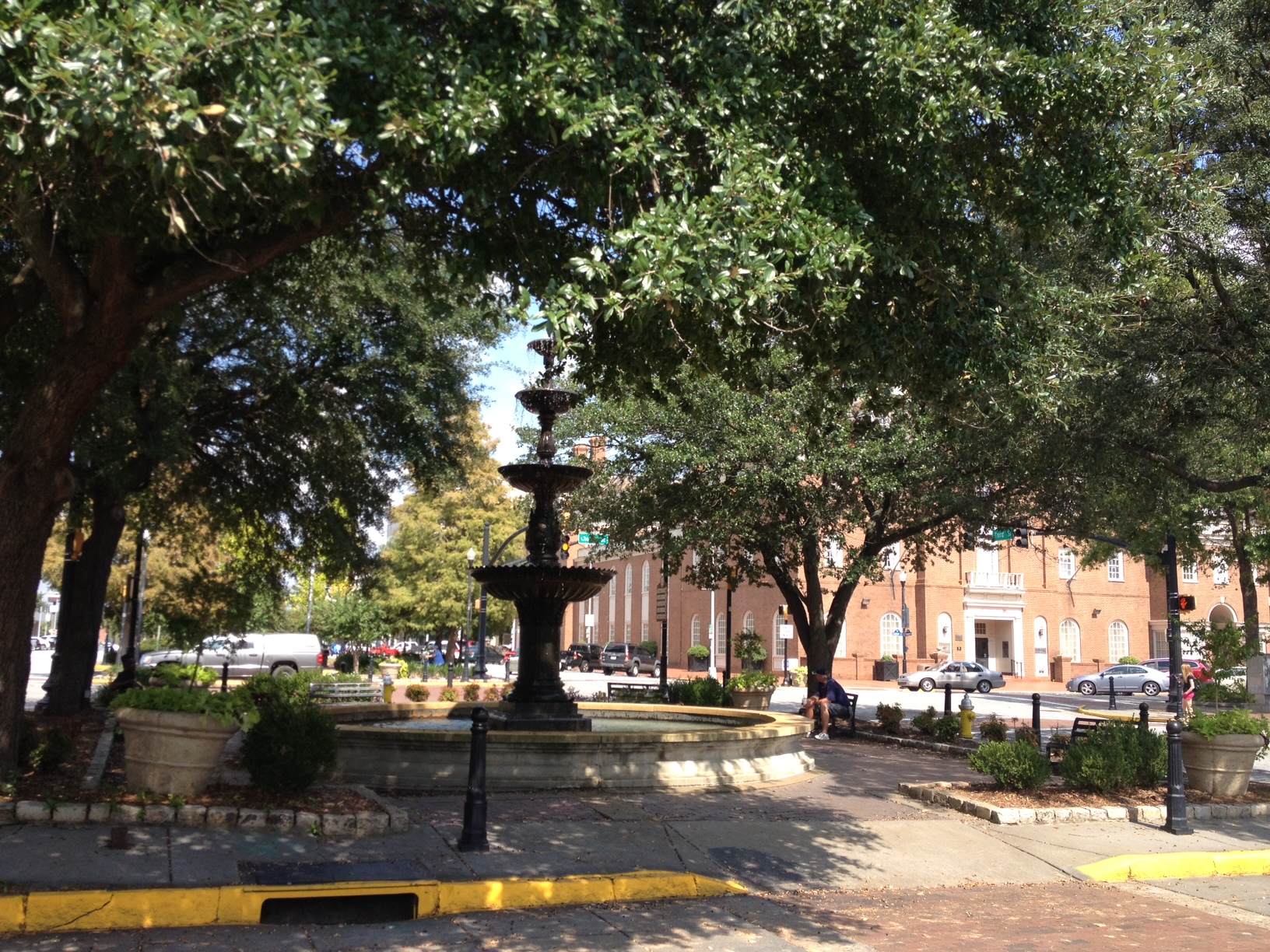
Having that much space given over to trees, paths, and fountains in the middle of the street feels “Southern”: it implies a more leisurely pace and a warmer climate. On a weekday, these spaces including the one above appeared well-used.

How wide is too wide?

As a companion to those wide median-parks, the sidewalks on principal streets have extreme depths (above). In Birmingham we are often barely able to get a tight row of cafe seating on the sidewalk, where minimum clearances for pedestrians must be observed. This is clearly not a problem in Macon: the sidewalk allows large planting areas, sitting areas, and plenty of space for cafe seating and pedestrian clearances. At this point, however, there aren’t enough cafes, or foot traffic generally, to make these sidewalks feel comfortably occupied. The potential is there, however, as new businesses look to fill old storefronts.

Historic building stock meets housing demand

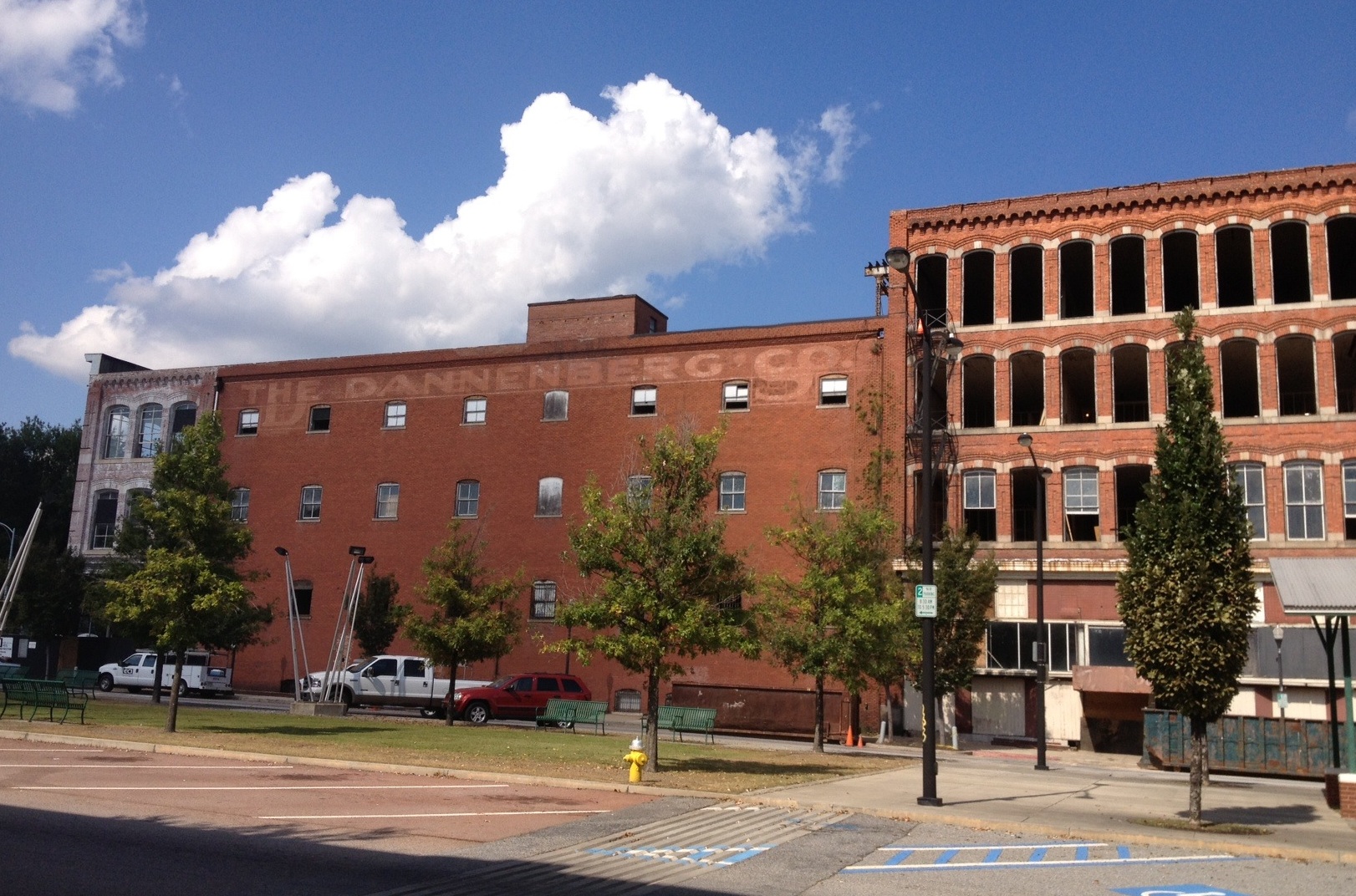
While perhaps several hundred apartments exist downtown, scattered in small developments, the city’s first large loft development, in the former Dannenberg Department Store, is underway incorporating several old buildings into a project of some 60 units and ground floor retail (above). Demand for housing downtown appears strong, helped by a medical center on the edge of downtown (sound familiar?). City leaders hope this project will be a “tipping point” for Macon, demonstrating the need for more housing, restaurants, and other services.

Now that’s a pleasant alley

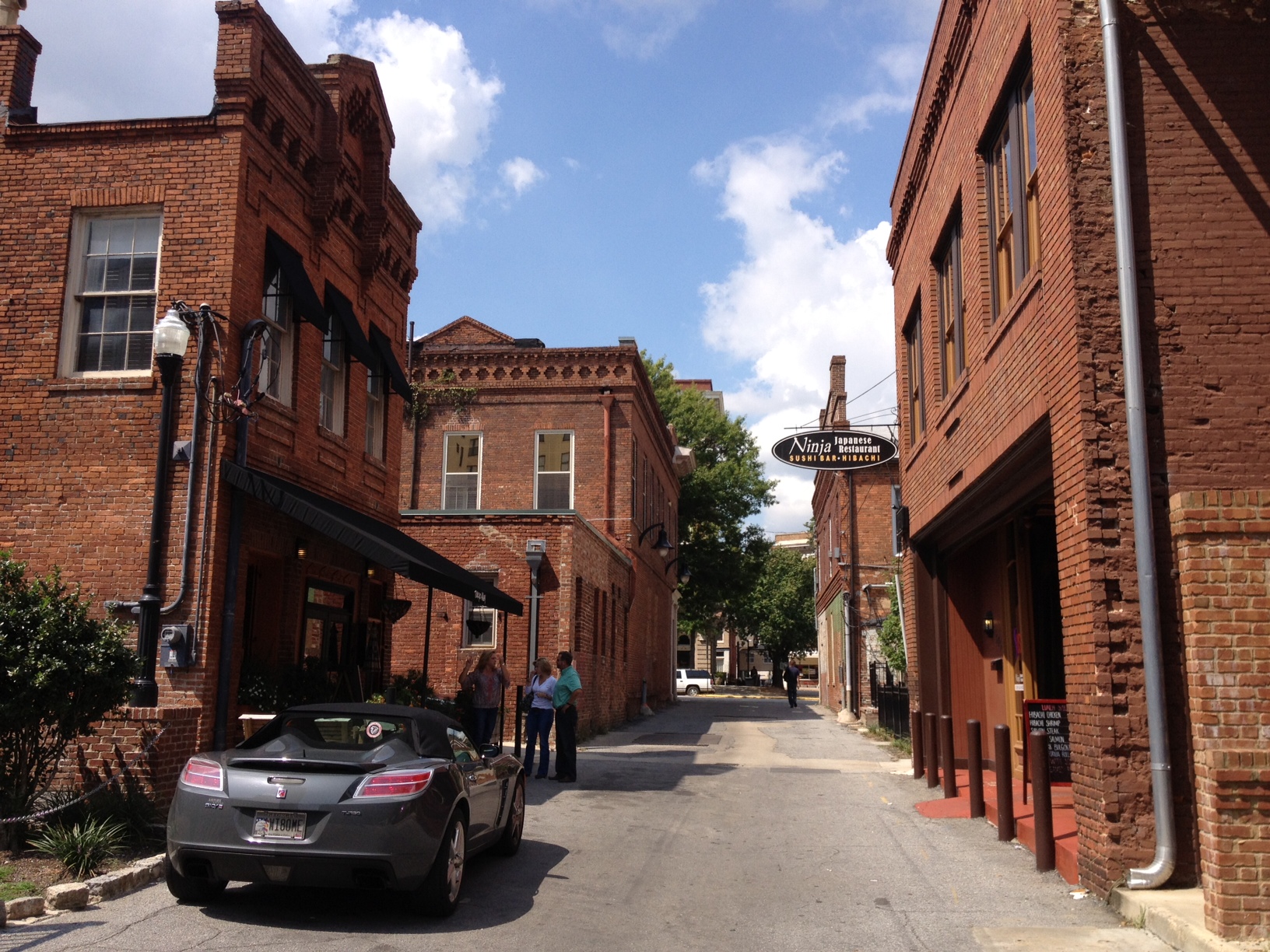
Part of downtown’s appeal to new residents is the system of alleys, called “lanes” in Macon. That nomenclature isn’t merely euphemistic; they are narrow, lined with quaint, small-scale architecture and landscaped areas and sometimes populated with restaurants (above). In Birmingham we often dream of converting our higher density alleys into pedestrian, mixed-use environments; but our system was and is almost purely about service: loading, employee entrances, etc. Transforming our alleys is a greater challenge, while Macon’s appear almost designed from the start for mixed-use transformation.

Quiet beauty

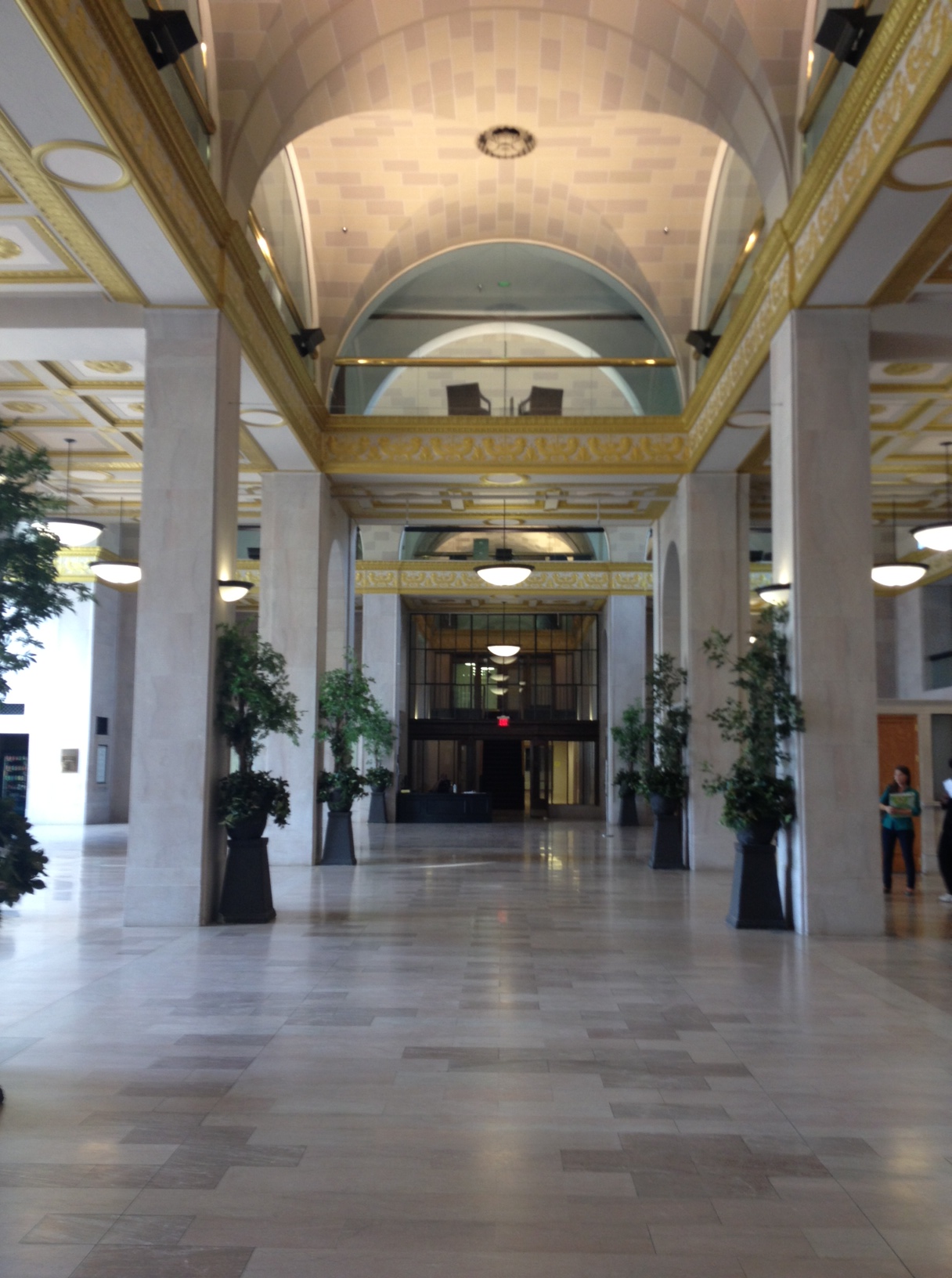
An arresting sight downtown is the neoclassical facade of Terminal Station (waiting room, above), which has recently been fully restored and is poised to again become a center of rail activity if high-speed service is introduced to Atlanta. Ironically, Birmingham still has Amtrak service while our own gorgeous Terminal Station was torn down in 1969; Macon has no train service but managed to save their station. One wing is the now the main downtown transit center for city buses.

It can help

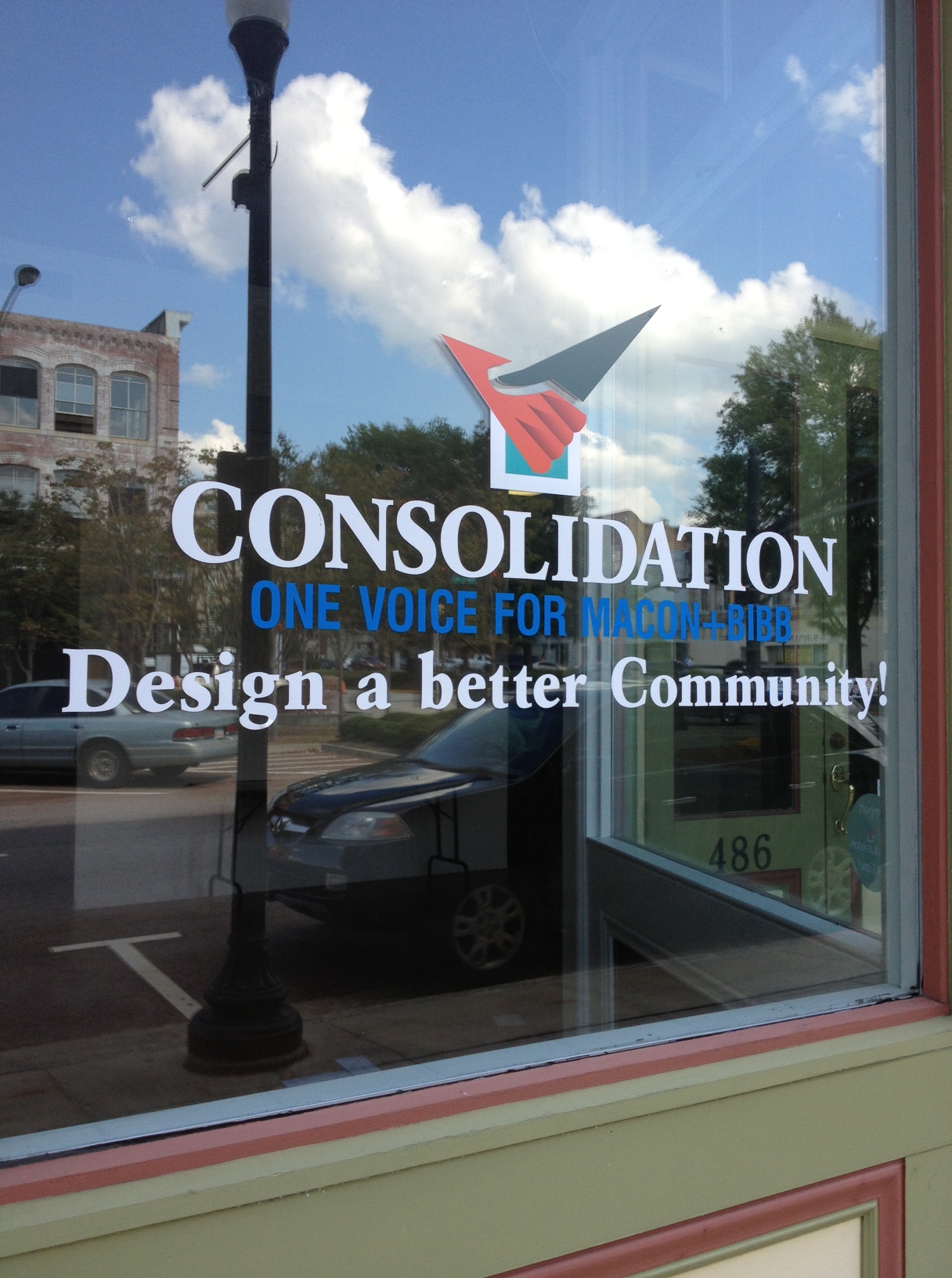
Spotted around the corner from Terminal Station was this storefront above, former headquarters of the consolidation movement which, just a few months ago, resulted in the citizens of Macon and surrounding Bibb County voting to merge as one entity. With the City and County speaking with one voice, it will make it easier to lobby for that train service, as well as any number of other initiatives. The politics, economics and demographics are different in Bibb County compared to Jefferson County; but it must be said that we are held back from achieving our true potential because our region doesn’t speak with that one voice. We waste too much time arguing amongst ourselves instead–rather than uniting for high-speed rail. Or a functioning transit system.

A bright future

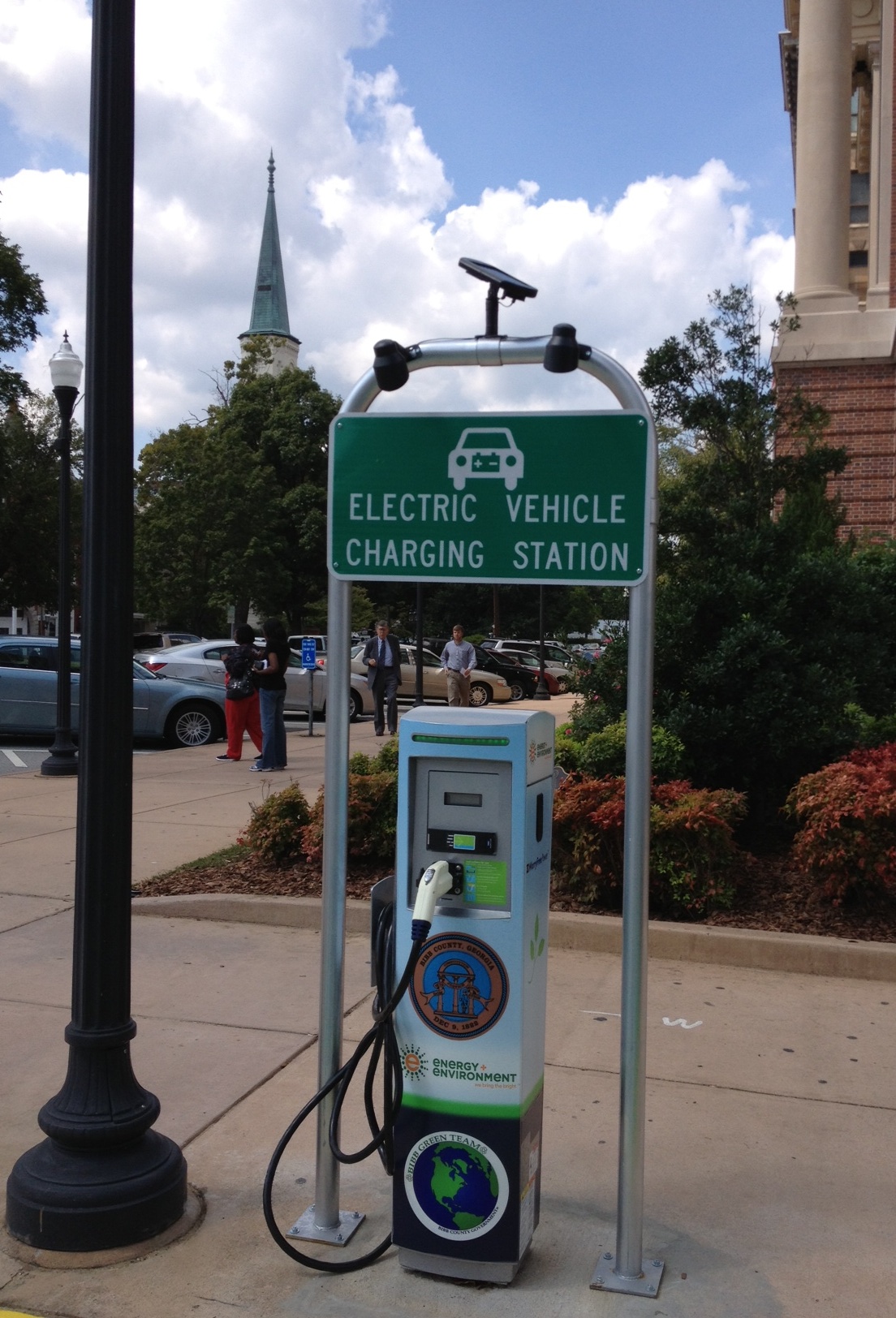
Sometimes, small gestures can make a big difference. Above is an electric vehicle charging station outside Macon City Hall. Seeing this station has the same effect the (now removed) high-tech parking meters had outside Birmingham’s City Hall: the message is we’re moving forward, we’re embracing the future, we’re promoting efficiency through technology. Macon seems poised to become a real jewel of a Southern city, and we’ll follow its progress with interest.


More eats, and Design Review September 26

Reservations are recommended

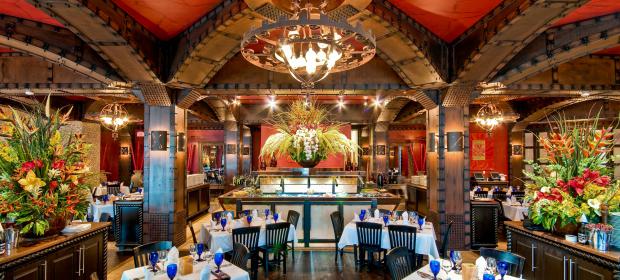
The Dallas-based restaurant chain Texas de Brazil is bringing its grand all-you-can-eat steakhouse concept to downtown Birmingham, as reported by the Birmingham Business Journal this afternoon. It will open next year adjacent to the new Westin Hotel in the BJCC‘s entertainment district. This is the first of planned announcements for new tenants in the district.

In the meantime, below is the agenda for this week’s Design Review Committee meeting. Remember, the meetings are open to the public and take place at 7:30 AM at Auburn Urban Studio, 3rd Floor of Young and Vann Building, corner of 18th Street North and First Avenue downtown.

I.        Call to Order:  Minutes of the September 12, 2012 meeting.

II.        Name: Mr. Jason Robb

Site Address: 2504 Aberdeen Road

District:  Red Mountain Suburbs Local Historic

Requesting approval for: Renovations to existing residence (Painting existing brick, soffits, and fascia; installing new front doors; installing new front windows; installing front door pediment; installing columns and transoms around/over doors on the sides of the front entrance; and installing gas lanterns)

III.       Name: Mr. Mark Williams (Reliable Signs)

Site Address: 517 22nd Street, South, Iron City Live

District: Midtown

Requesting approval for: operating guidelines for sign

IV.       Name: Mr. Keith Rouss (Harbert Realty)

Site Address: Two North 20th

District: Birmingham Green

Requesting approval for: Roof top advertising sign

V.        Name:  Mr. Jared Pineda

Site Address:  18 Richard Arrington Jr., Blvd, North

District:  21st Street North

Requesting approval for:  Roofing samples

VI.       Name: Mr. Russ Walter

Site Address:  2805 3rd Avenue, South (Pittsburgh Paints)

District: Lakeview

Requesting approval for:  Sign

VII.     Name: Mr. Jerry Nelms (BJCC)

Site Address:  Richard Arrington Jr. Blvd between 22nd & 24th Street,

District:  Cultural

Requesting approval for:  Street improvements and parking

VIII.    Name: Mr. Jimmy Harvell (Larry Signs)

Site Address: 7737 1st Avenue, North (Quik Pawn Shop)

District:  East Lake

Requesting approval for:  Signage

IX.       Name: Ms. Sheila Chaffin (UAB)

Site Address: block between 5th & 6th Avenues and 11th & 12th Streets South

District: Midtown

Requesting approval for: Demolition and site restoration of the UAB Theater Storage temporary structure.

[thanks to Texas de Brazil for the pic]

Hungry for more (2)

Foodies, get ready

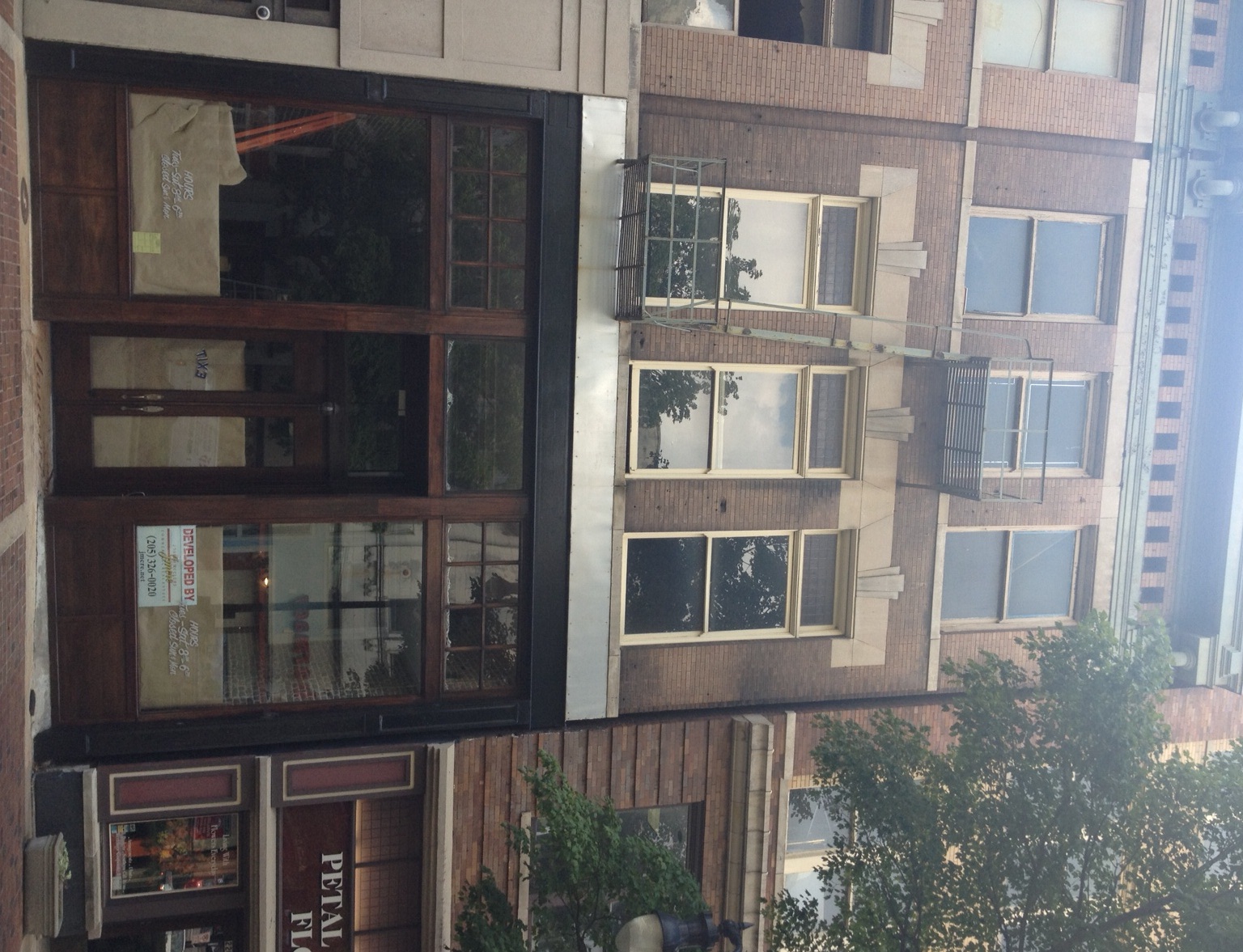
Construction work has started on downtown’s newest restaurant, a venture of Tom Saab (managing chef at the Cheesecake Factory in Birmingham) and Joey McClure Commercial Real Estate. Located in a 20th Street storefront between 2nd and 3rd Avenues North (above), a peek at a preliminary menu promises a French/Low Country riff with items such as crab cake sliders, chicken and mushroom crepes, and chocolate souffle. The interior has been designed by LCS Designs, and will have a full bar. Lunch and dinner (both table service) are slated to start later in the fall.

…and possibly one more

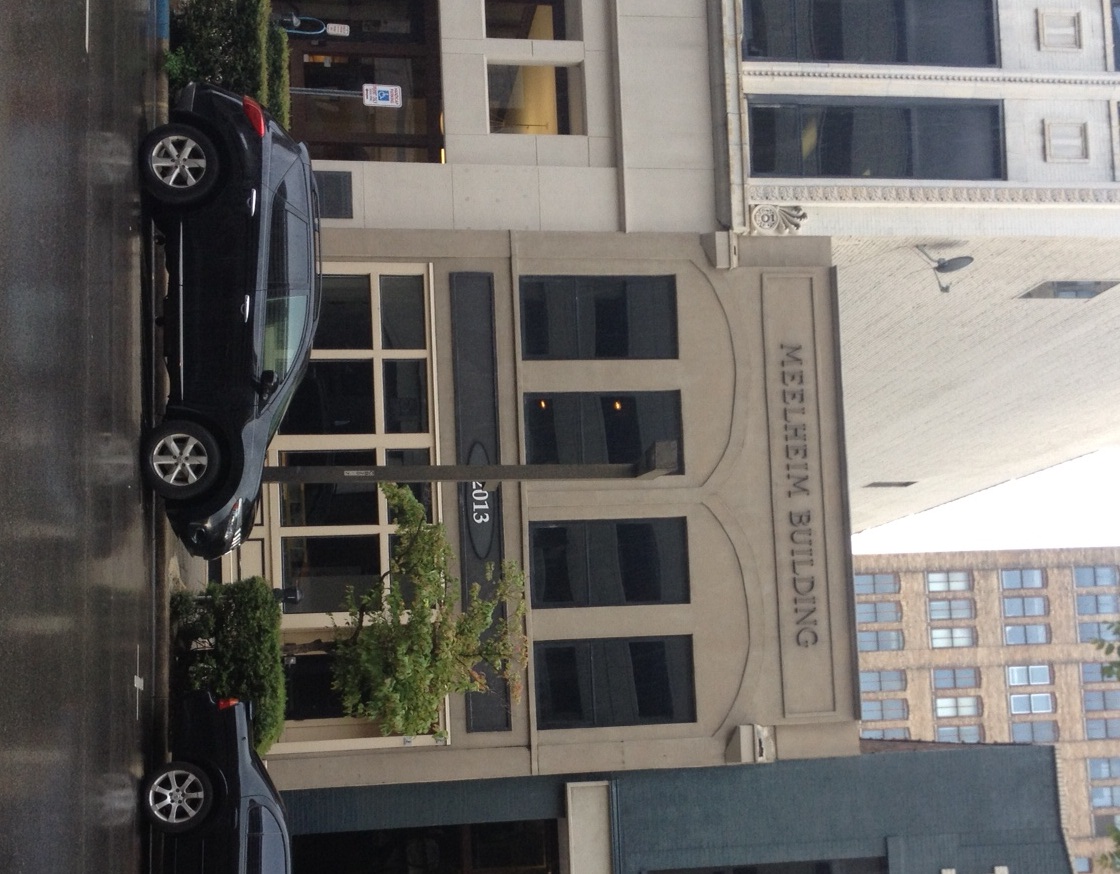
Around the corner, rumor has it that the Meelheim Building (above, 2nd Avenue North between 20th and Richard Arrington) is being eyed by new tenants: a restaurant and bar on the ground floor, and event space upstairs. This restaurant would also serve both lunch and dinner.

They didn’t advertise like this in the 1920’s

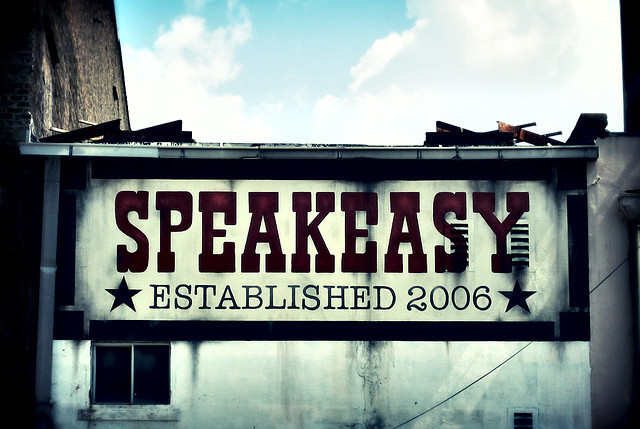
And around the other corner on 3rd Avenue North between 20th and 19th Streets, the Speakeasy bar (rear signage, above) is poised to change hands, get renovated, and reopen as a bar/lounge with event space above. We’re big fans of the sign on the alley facade, and hope the new owners have an equally compelling graphics package.

Part of 21st century urban vibrancy

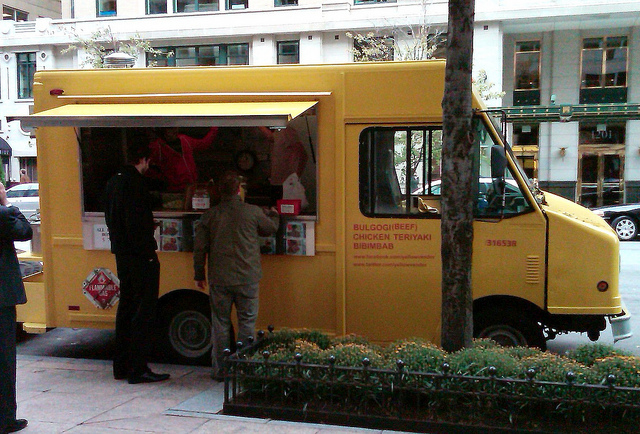
Finally, while on the topic of food and drink, the Birmingham City Council mercifully delayed consideration of new regulations for food trucks yesterday. These regulations would particularly affect those trucks that regularly serve downtown; other cities (a food truck in downtown Washington, DC, above) have managed to find equitable ways to regulate this dynamic, growing movement. In our opinion, food trucks and “bricks-and-mortar” restaurants complement each other and are two totally different business models. They should both be encouraged to thrive, not hampered with excessive regulation or pitted against one another. More restaurants, more bars, and more food trucks make us happy.

[thanks to mrTinDC for the food truck photo]

Healthy fun: it’s coming

Affecting real change

This past weekend saw the national professional organization for design, AIGA, hold a workshop in Birmingham (one of three nationwide) as part of their Design for Good initiative. Joined by local partners such as Alabama Engine and UAB’s Edge of Chaos, community stakeholders and local designers (including your author) shared an intense 2-day brainstorming session revolving around issues of public health, a major concern in our region. The specific topics were supporting the Red Rock Ridge and Valley Trail System, and encouraging better food choices among vulnerable populations in the metro area. Exercise and better eating: how do we get more of each in our area?

Avenue W before

Avenue W after

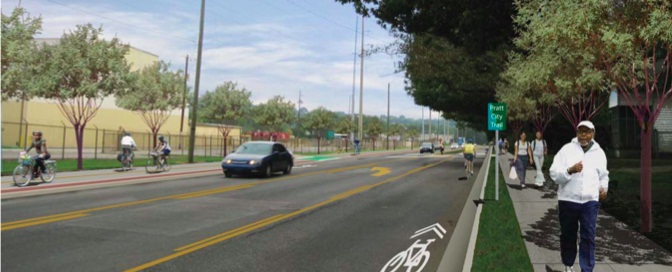
It’s easy to visualize how the Red Rock system can transform how we use our neighborhoods, travel between them, and get a little physical activity. Above is one proposed portion of the system (Village Creek Corridor) that passes along Avenue W in Pratt City. Why choose walking or biking over a car when there is no sidewalk, bike lane, or mileage/directional signage? The plan takes care of that.

Richard Arrington Blvd before

Richard Arrington Blvd after

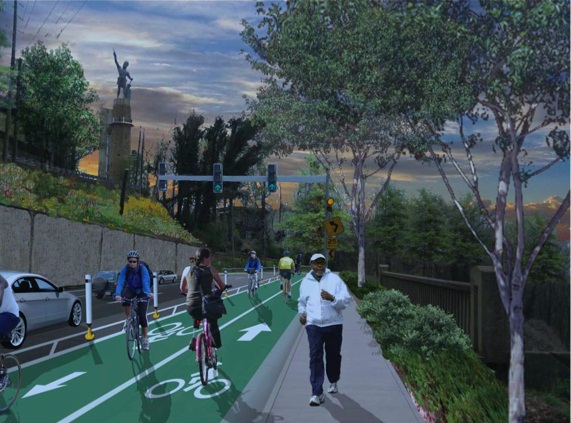
Because of a recent federal TIGER grant the City won recently, part of the trail will be completed soon; it will link into other future portions such as the improvements shown above leading from the City Center up to Vulcan Park. Pepsico, as part of its initiative to make its brands healthier and to encourage wellness among its customer base, helped sponsor this design summit as well as the other two in New York City and Seattle. Why Birmingham, you may ask? We, and the state generally, have terrible statistics for obesity, hypertension, heart issues, diabetes, etc. If we can turn things around here, we can do it anywhere. Thanks to the sponsors for putting this event together–and everybody, please support the Red Rock system in your own community and across the metro. It not only could transform our health, but the entire concept of moving around Jefferson County.

Who knows: someday soon, we will bike safely from Vulcan Park to Pratt City (or even jog, as the gentleman in the renderings above demonstrates). We’re ready!

[thanks to AIGA for the logo and to Red Rock for the renderings]


Viva downtown

Projecting confidence

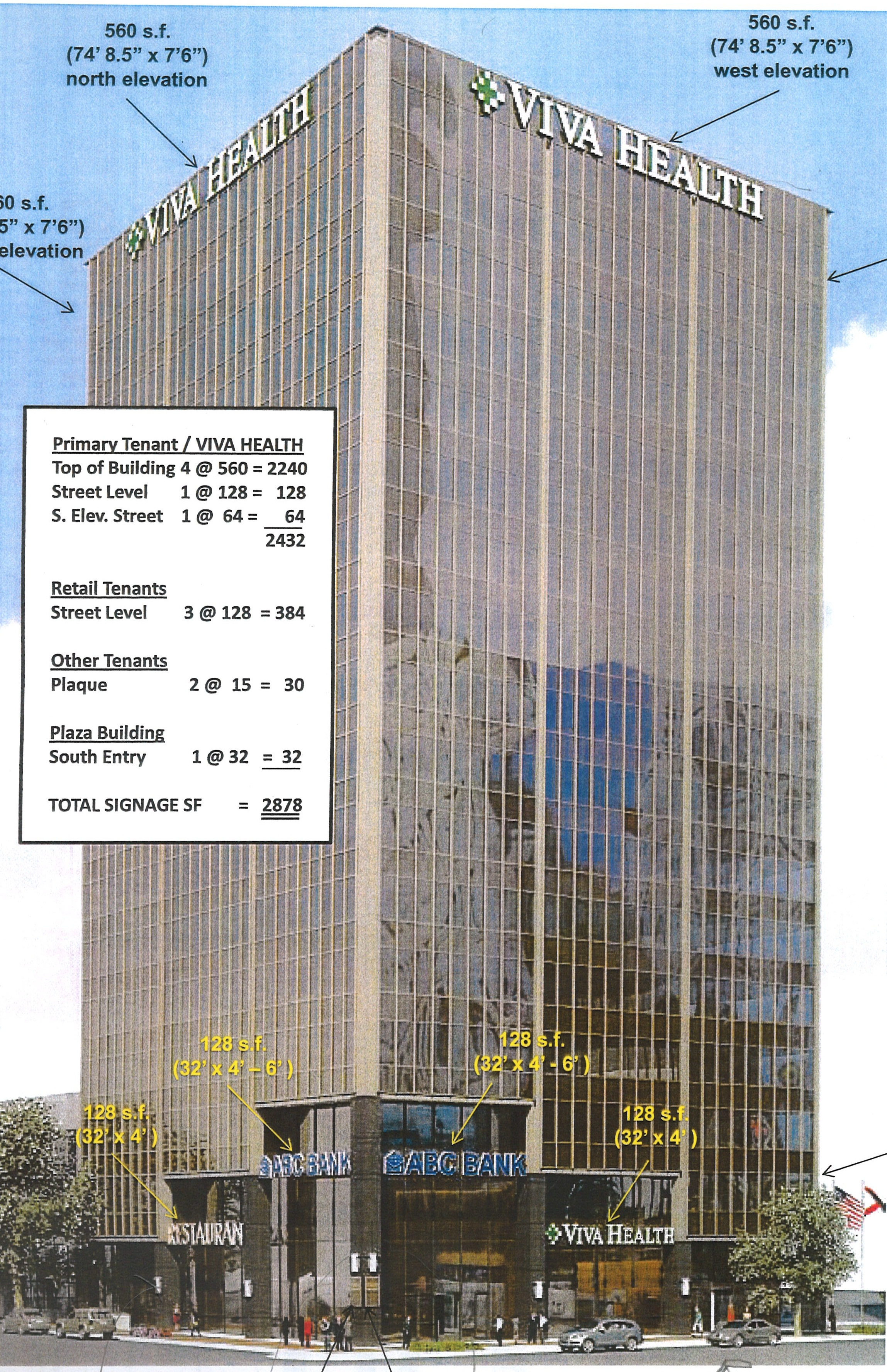
This morning the Design Review Committee approved new illuminated signage at the top of the former Region’s Plaza building (rendering above, corner of 20th Street North and 5th Avenue). The 1976 building–home to Regions Bank before mergers and consolidations emptied it in 2007–has most recently been the subject of different hotel proposals. Viva Health–a Birmingham-based HMO–is now creating its new headquarters in the building. It will reorganize the ground floor, which previously had bank and elevator lobbies, into retail tenant space, with a Viva-run coffee shop planned on 20th Street (other tenants to be announced). Slight changes were mandated to the signage presented, but it will look essentially as depicted above, on all four sides.

As we’ve recently discussed in other contexts, while it’s great that a locally-based company is helping to fill a long-vacant tower downtown–and is adding its  brand to the skyline–it’s moving from a Southside location on the other side of downtown. Will its former location be quickly filled by a new occupant? Given its proximity to UAB‘s campus, chances are high that it won’t be vacant for long.

Viva, welcome to the CBD.We encourage you especially to design your coffee shop in a way that engages passerby and enlivens your storefronts.

[thanks to Fravert for the rendering]

Design Review September 12

Here is this Wednesday’s agenda for the September 12 Design Review Committee meeting. Remember, the meetings are open to the public and take place at 7:30 AM at Auburn Urban Studio, 3rd Floor of Young and Vann Building, corner of 18th Street North and First Avenue downtown.

I.     Call to Order:  Minutes of the August 22, 2012 meeting.

II.        Name: Ervin Kennedy

Site Address: 827 19th Street, Ensley (Eastside Funeral Home)

District: Ensley

Requesting approval for: Window replacement and paint

III.       Name: Mr. David Brandt (Fravert Services)

Site Address: 417 20th Street, North, Viva Health (Old Regions building)

District:  Birmingham Green

Requesting approval for:  Signs

IV.       Name: Mr. Milton Wren

Site Address: 1230 32nd Street North

District: Norwood Local Historic

Requesting approval for: Fencing, Carport

V.        Name: Mr. Mark Williams (Reliable Signs)

Site Address: 517 22nd Street, South, Iron City Live

District: Midtown

Requesting approval for:  Sign

VI.       Name: Mr. Dayne Nelson (Sign and Graphics Inc.)

Site Address: 2170 Highland Avenue, South (Alamerica Bank)

District:  Five Points South

Requesting approval for:  Signage

VII.     Name: Mr. Jimmy Harvell (Larry Signs)

Site Address: 7737 1st Avenue, North (Quik Pawn Shop)

District:  East Lake

Requesting approval for:  Signage

Engaging that edge

Walk on by

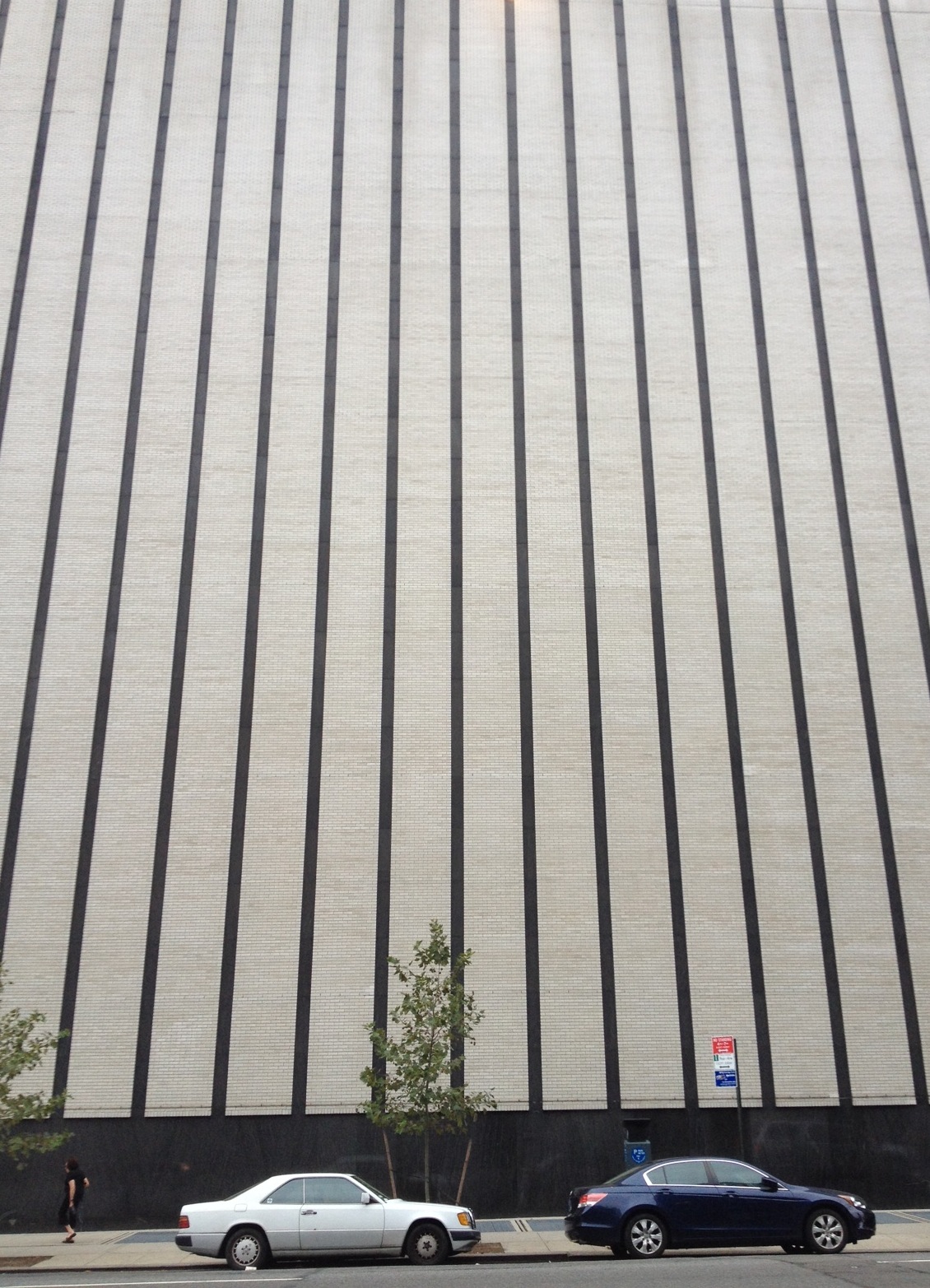
We have often discussed how streets are our cities’ most important public spaces, and the crucial role that the building “edge” plays in defining the street as a space. Even in a city like New York, known for its finely detailed and variated storefronts, one occasionally comes across the exception: above is the AT&T switching tower (21 stories, 10th Avenue between 53rd and 54th Streets, completed 1964) whose facade is a windowless box clad in brick and stone. While its abstract geometry at times seems a worthy foil to the more humanly scaled buildings around it, nonetheless it fails at the ground level, where pedestrians are greeted with a blank wall.

19th century, meet 21st century

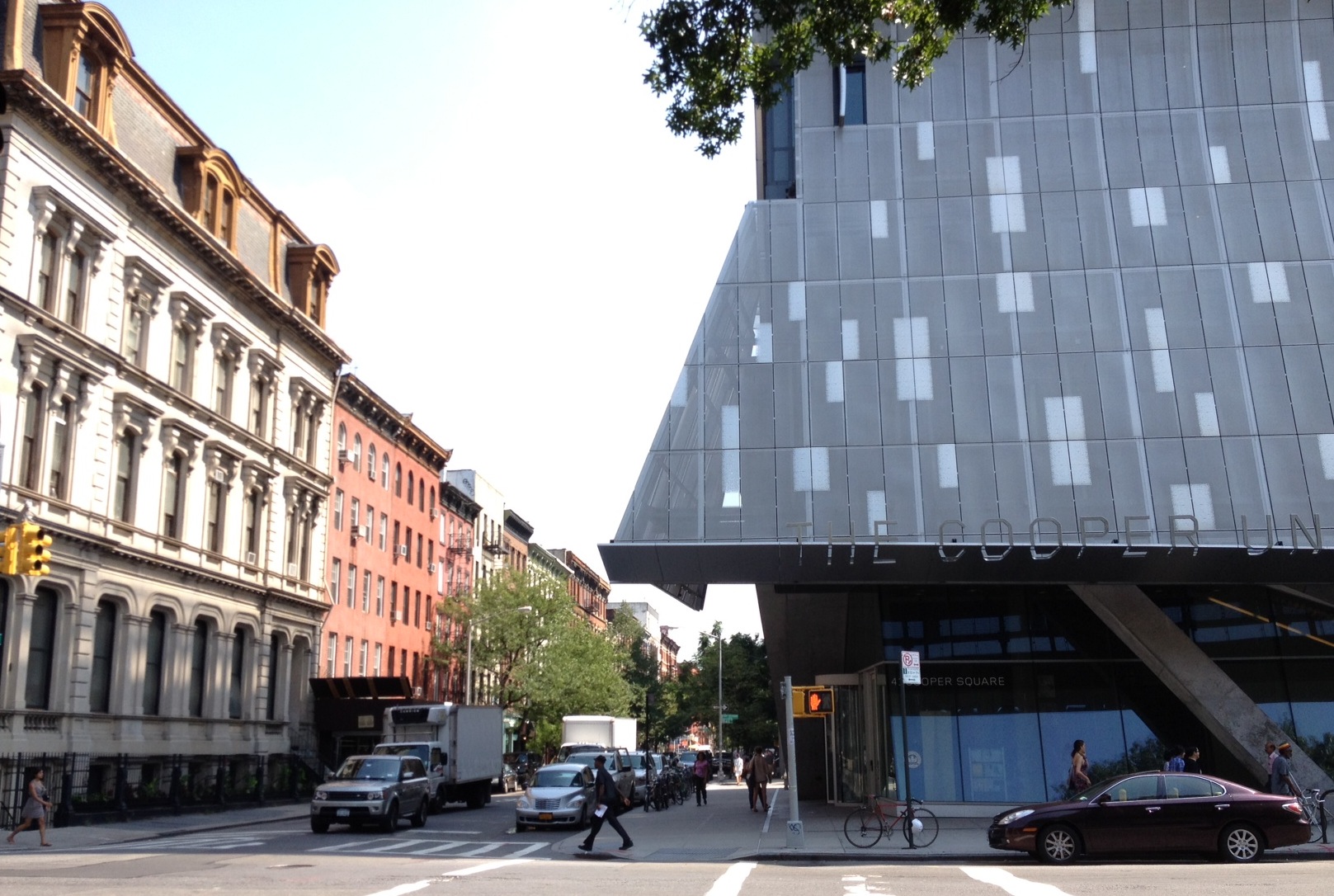
Needless to say, a telephone switching center (with its floors largely occupied by temperature-sensitive machinery and technology, not people) is always a tricky design within an urban context. Another typology that’s often challenging is the academic building: balancing needs for security and controlled teaching environments with community engagement can be difficult. At the Cooper Union‘s new building on Cooper Square and East 7th Street (above; architect Thom Mayne of Morphosis, 2009), the ground floor contains exhibition gallery space and retail uses along the sidewalk, to engage the public with the building. Likewise, the upper portions of the building skin reveal the interior through different levels of transparency. Initially controversial to the surrounding neighborhood, this project in the end manages to embody the college’s elevated aspirations for the future, while still being permeable and engaging.

Summer oasis

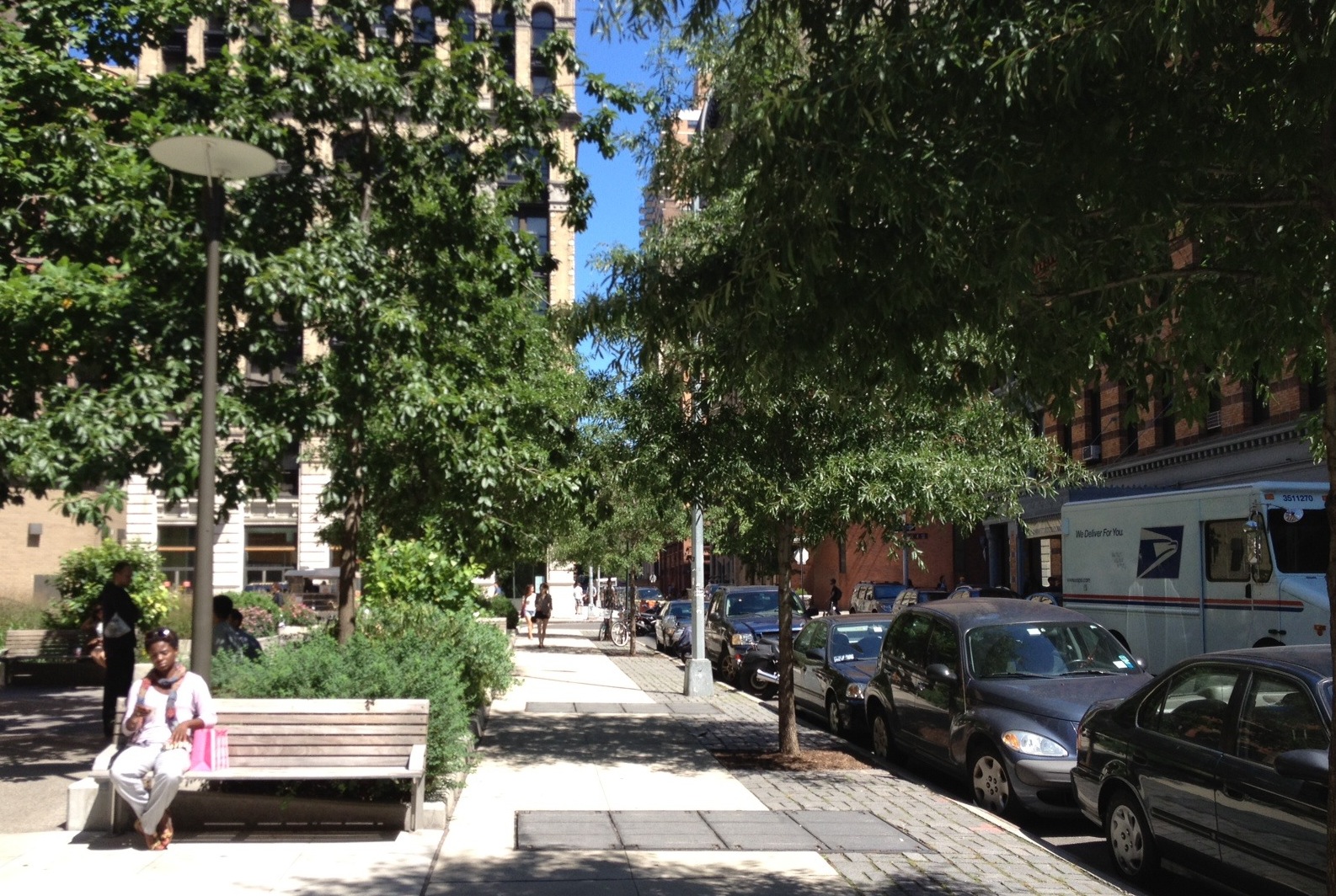
A few blocks south, an NYU building has renovated its formerly forlorn plaza setback into a landscaped court filled with benches and low walls for sitting (above, Mercer Street looking north to West 4th Street). This modest intervention creates a mixing zone where the public and academe come together.

Cinematic vision

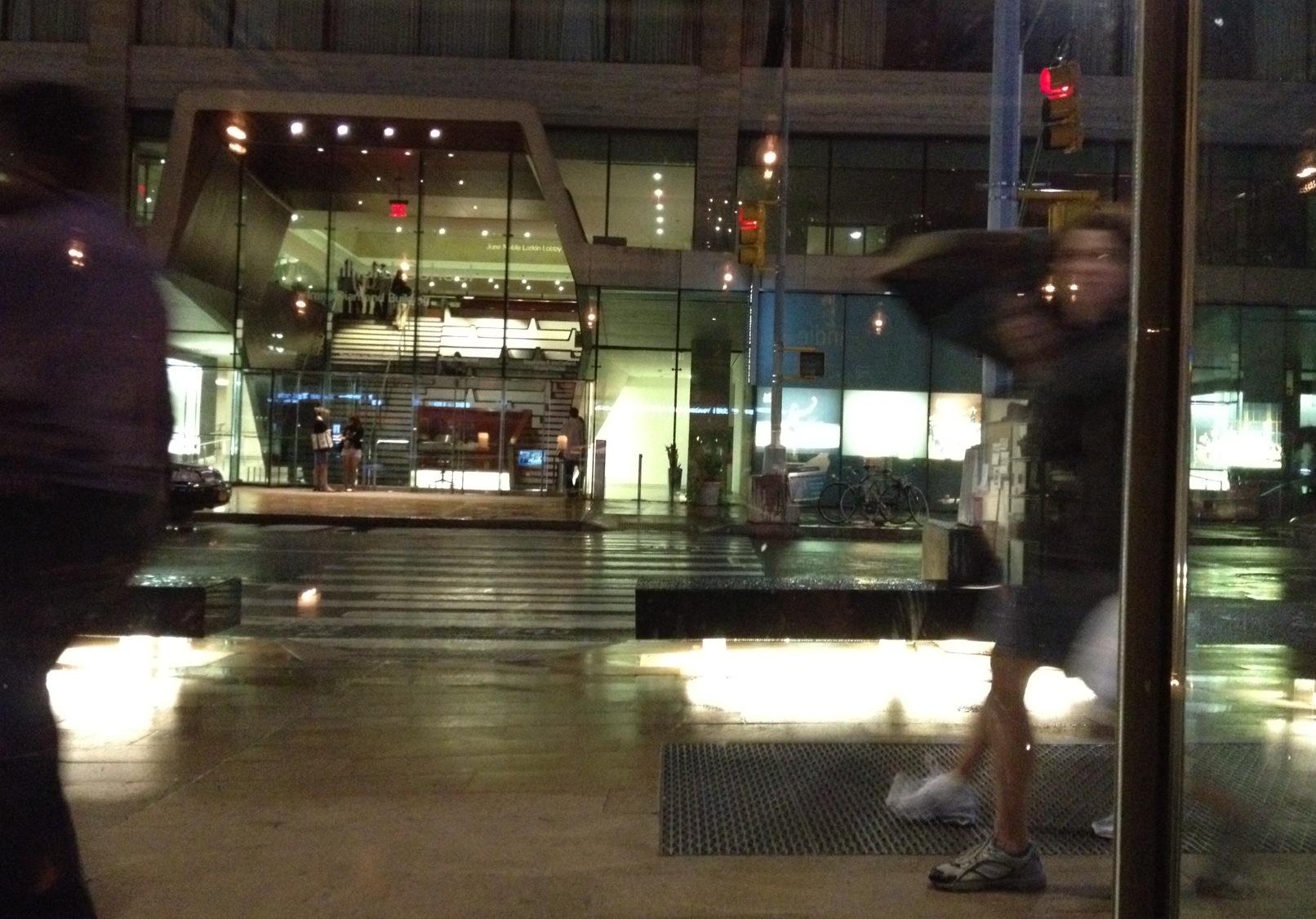
Once Birmingham finally gets the indie cinema it deserves, it needs a bar/cafe similar to that found at the Film Society of Lincoln Center (view from the bar out to West 65th Street, above; the Juilliard School is across the street).  Views out to the street, and from the street into the cafe, illustrate the power of an engaging street edge.

Once again, art comes out on top

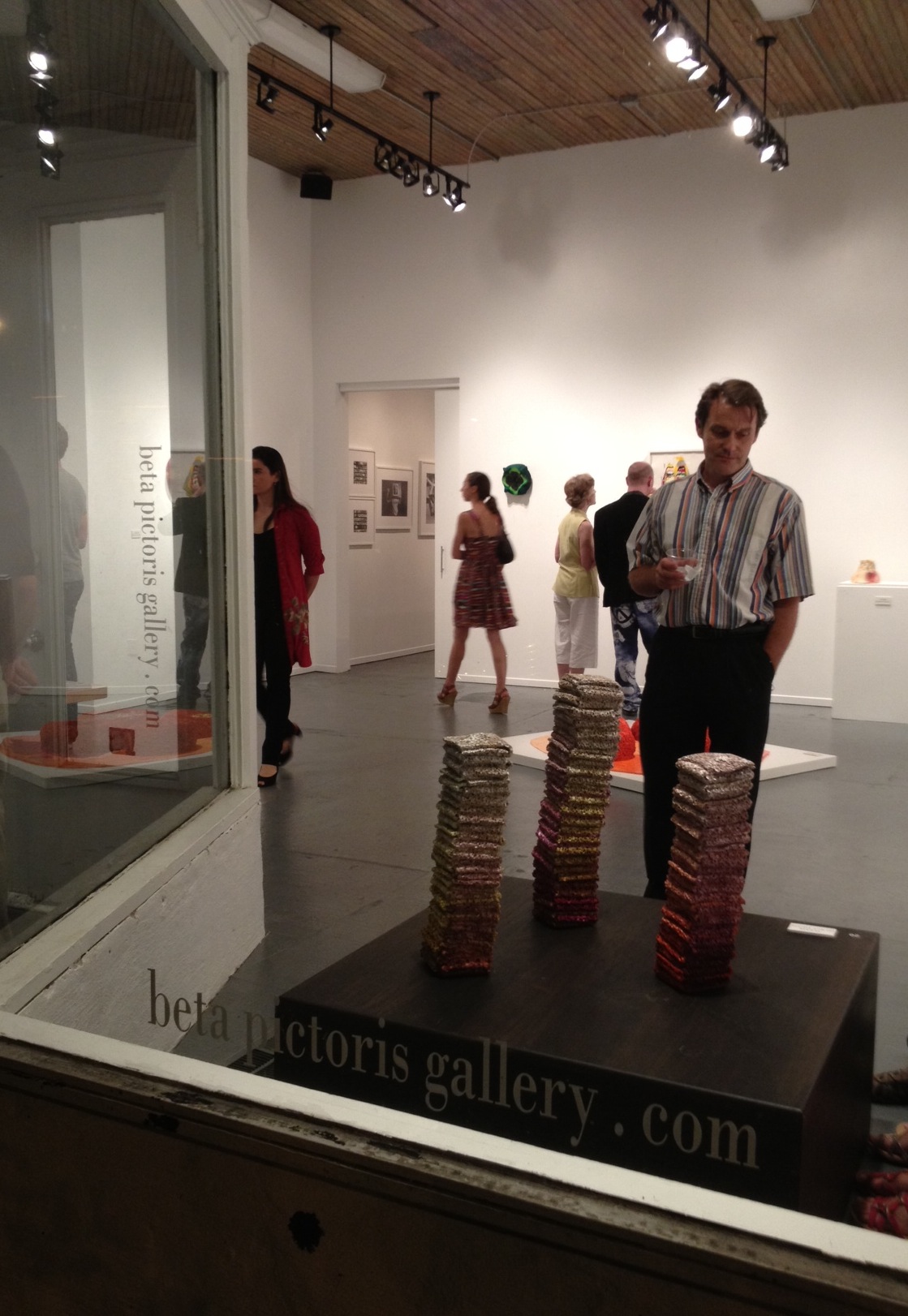
Back on 2nd Avenue North in Birmingham, the small storefront of Beta Pictoris gallery (above, between 25th and 24th Streets) is an excellent example of how well-lit, engaging storefronts can energize the public realm of the street. Better storefronts lead to better foot traffic. And better foot traffic means more business. Which leads to more storefronts. To keep urban momentum going, you’ve got to maintain that edge.