Category Archives: Uncategorized

Fighting fires

Sad news from the historic neighborhood of Norwood, directly north of downtown Birmingham: a 3-alarm fire created a large blaze and smoke visible across Jones Valley this morning. The fire occurred at a complex of historic structures that housed rental apartments at the corner of 30th Street and 13th Avenue North. Here’s a brief summary from the News. According to a resident I spoke with, every winter it seems like more historic structures in Norwood are lost to fires, in large part due to homeless people seeking shelter in the neighborhood’s many abandoned houses. The cause of this morning’s fire is not known.
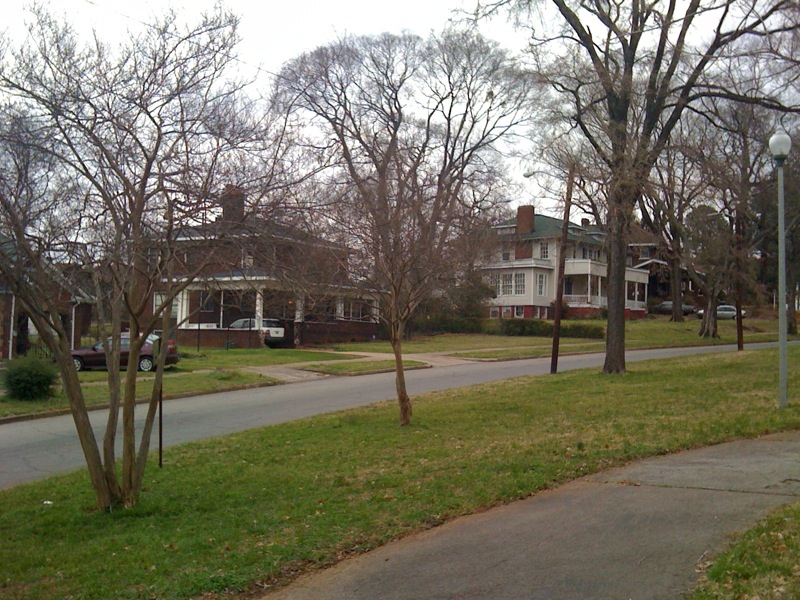
Before people moved over the mountain

Norwood (whose beautiful, curving main boulevard is seen above) was at one time one of the city’s most elegant neighborhoods. Battered by competition from fancier places south of town (such as Forest Park, Highland Park, Redmont, and eventually Mountain Brook); thoughtless freeway construction that ripped right through the place; and racial integration in the late 1960s and 70s, the neighborhood has recently been undergoing a quiet but confident resurgence. There are many challenges, however.

Some of these challenges can be traced back decades, as the neighborhood became integrated for the first time, against a backdrop of rising crime, social unrest, and white flight from cities across the country. A fascinating snapshot of this period–with Norwood as our local representative of “The Urban Crisis”– can be seen in this multi-article series from the Birmingham News’ December 7, 1969 issue. It is well worth a read for anybody interested in urban development, and its earlier challenges whose effects remain with us today.
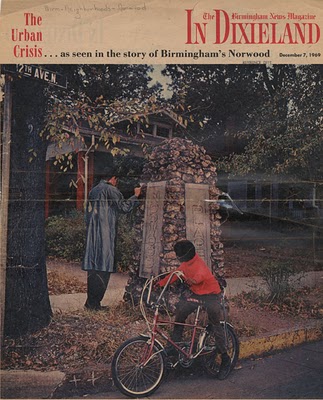
Urban Transition

We hope that everyone is safe and out of harm’s way this morning in Norwood, and good luck to the community in their tireless efforts to rebuild themselves.

[thanks to vizual2 for the Norwood Blvd. pic, and to the Birmingham Public Library for the newspaper clipping]
Taking a gamble

A Thanksgiving trip to Biloxi, Mississippi was a chance to check out the new Ohr-O’Keefe Museum of Art, designed by architect Frank Gehry, which opened after a 12-year planning period just a couple weeks ago. My niece and nephew were in tow.

Eyeful

Though still incomplete, the structure has been completely rebuilt after Hurricane Katrina initially destroyed it 5 years ago. Due to years of design work, the intricately engineered details, the rebuilding, and the heavy costs associated with post-Katrina construction, total costs are estimated at $45 million for the few clustered pavilions which house the art. Cities have been paying premiums for years to entice “starchitects” such as Gehry to design major cultural institutions in the hopes of putting the host city on the map. But in Biloxi, population 45,000 (and center of a metro region of 240,000), this is a pretty big gamble. Biloxi has casinos, fishing, and decent travel time to New Orleans and Mobile. But it has little else to entice tourists–especially post-Katrina, when much of the old historic fabric of the city disappeared.

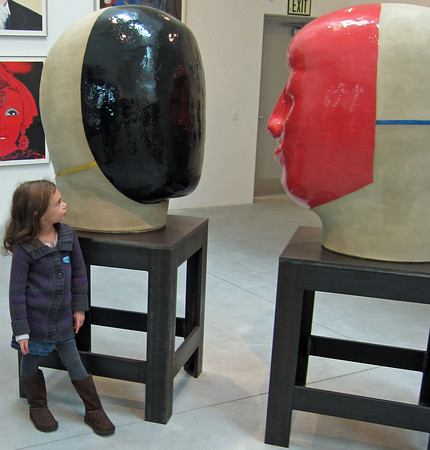
Does it speak to you?

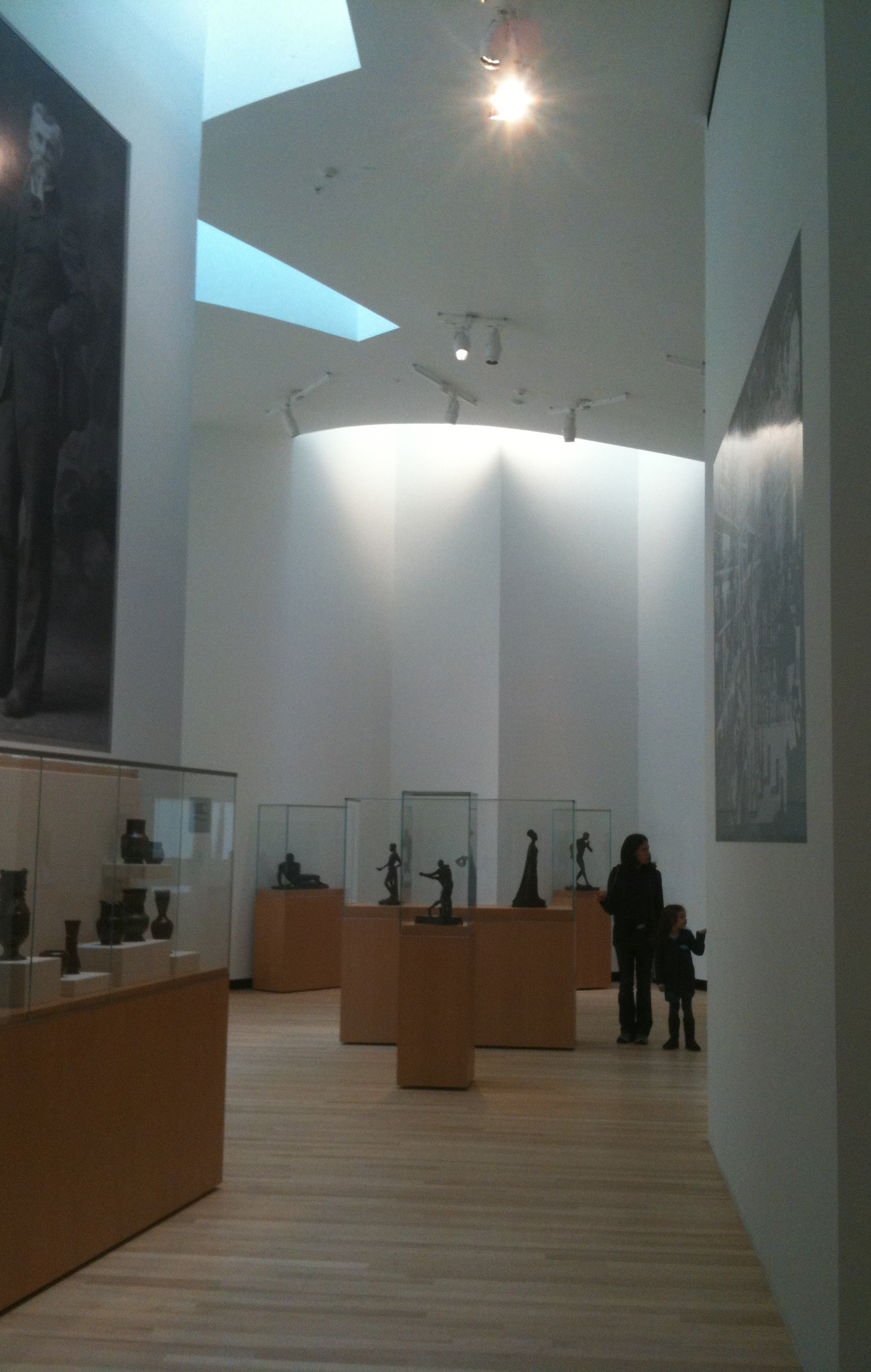
Spending this much money begs the question: is it worth it? Time will tell; on the day after Thanksgiving a thin but steady stream of visitors walked through the few exhibits. Above, my niece regards ceramic heads by Jun Kaneko (the museum has a focus on ceramics, particularly the local work of George Ohr, the “Mad Potter of Biloxi”). The small galleries had some well-chosen pieces, curated and displayed in the manner one would expect in a much larger facility. Architectural details were often delightful, but sometimes felt a bit forced or cramped given the humble size of the spaces. And looming in the back of my mind was that price tag–with all the needs this city has, did the building have to be so lavish?

Nature had its way

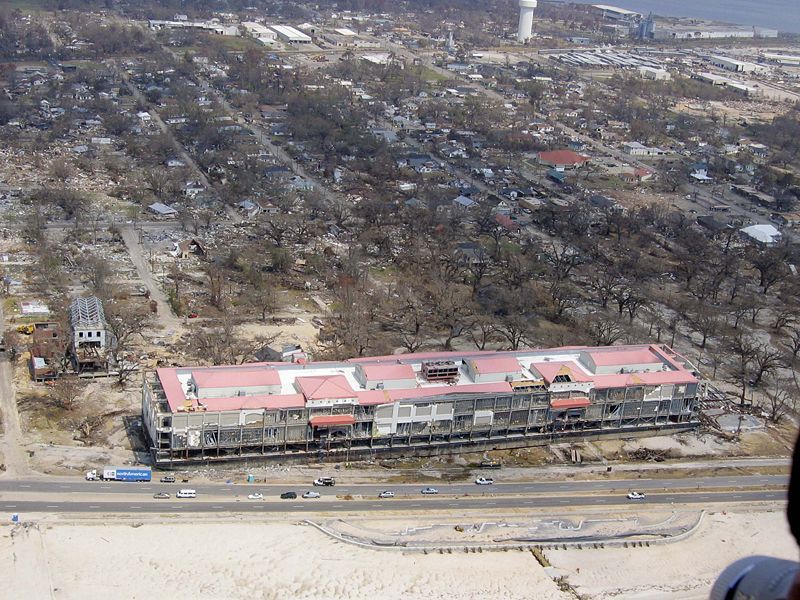
Above is the site after Katrina, showing a casino barge that was literally dumped onto the property during the storm, forcing the builders to start over from scratch.

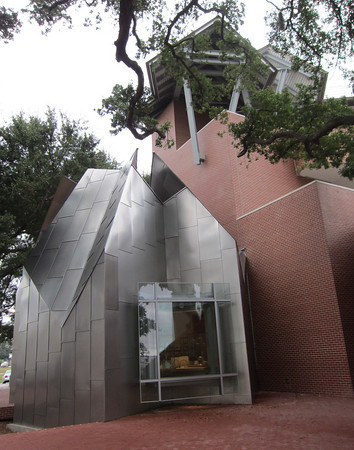
Gehry meets the southern breezeway

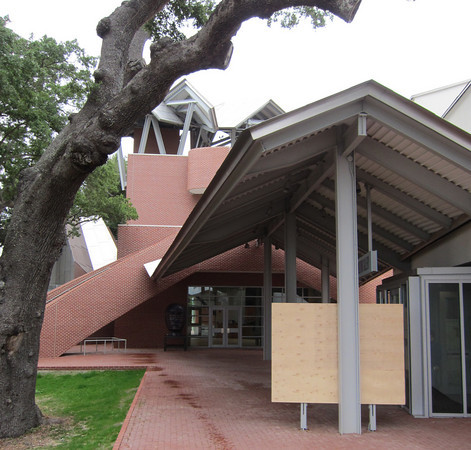
And above is the now-finished product, a tumble of steel and brick structures arranged across the Oak-filled property.

How much is too much?

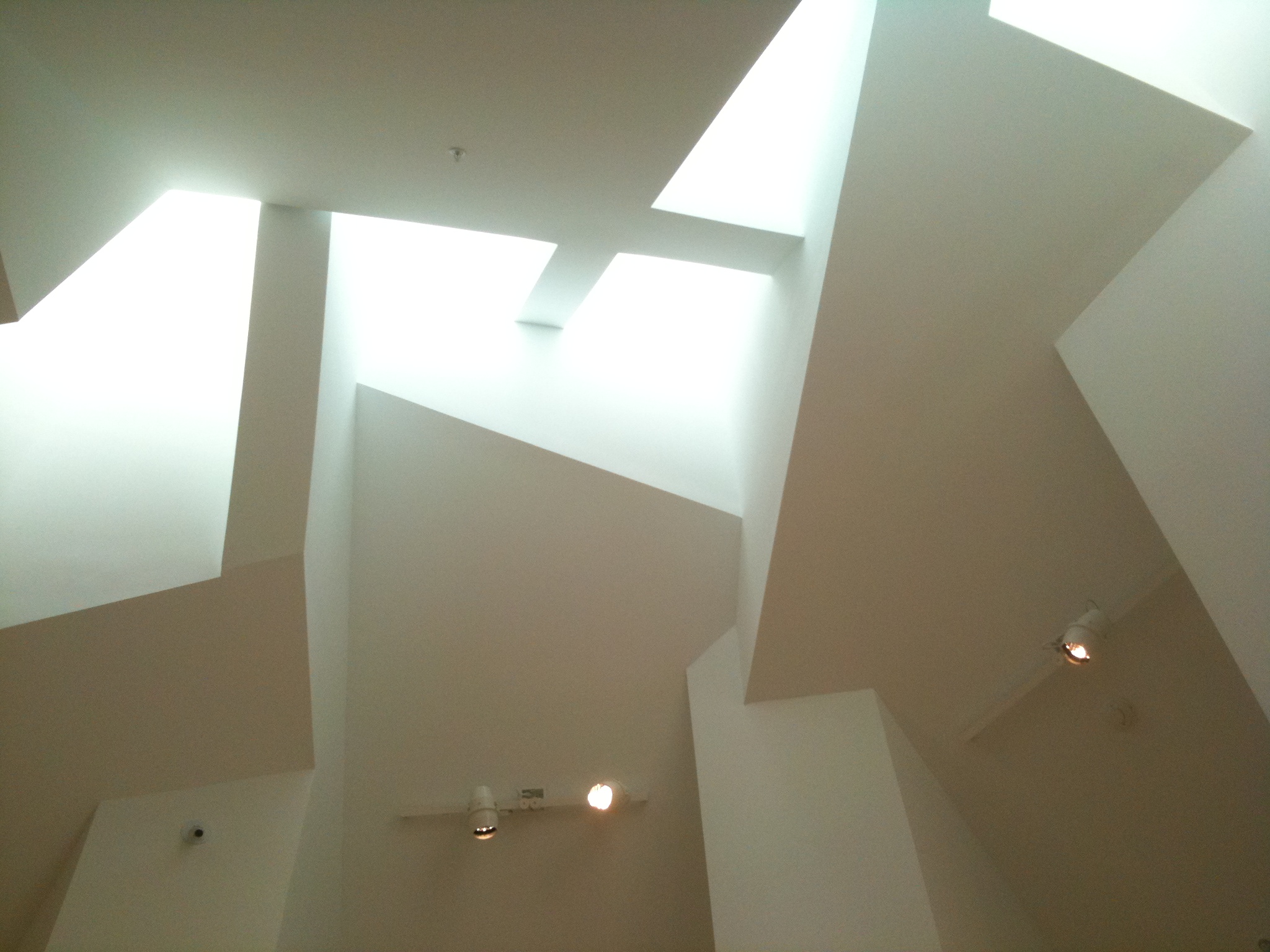
Above is one of those delightful moments: a playful way of handling natural, diffused light. However, when taken into the larger context of the very confined gallery space, these engineering gymnastics can also feel excessive.

A lot or a little...for a lot

Don’t get me wrong–it’s a fantastic idea for this city to experiment with a major investment in the arts. I hope that this museum attracts thousands of visitors and brings needed revenue into a region which is still hurting. But not every Gehry building turns its host city into an instant Bilbao (this article from the New York Times explores this subject a bit). It will be interesting to see if the Ohr succeeds in placing Biloxi on the cultural map–or if it becomes a rather expensive, steel-clad elephant.

I want my MTV

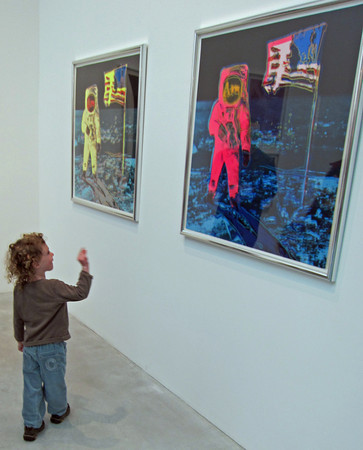
My nephew did enjoy the small but satisfying Andy Warhol exhibit, above. Like Warhol predicted about all of us, at least for now the Ohr is indeed relishing its “fifteen minutes” of fame.  The story of the Ohr is worth remembering, as we make choices in our own city about design: when is it appropriate to pay a premium for world-class architecture? Is it ever appropriate to pay a premium for merely the perception of world-class architecture? And when is it appropriate to simply demand good, well-proportioned “background” buildings that won’t garner any international attention but may, when taken into context, create  superb built environments? Eminently ponderable questions all.

The giving tree (3)

There's hope

After neighborhood residents (and concerned citizens from across the City) expressed shock and dismay about recent tree fellings downtown (see the previous posts here and here), the Mayor’s office has promised a new process will be implemented for tree removal. Until the process is in place, in the interim no tree can be cut down within the City limits without prior approval of the deputy directors of both the Horticulture and Streets and Sanitation Departments. This is certainly a step in the right direction for more transparency and accountability when it comes to chopping down trees.

For anyone who is interested, the public is invited to attend the next meeting of the Birmingham Planning Commission, Wednesday December 1 at 8:30 AM in City Council Chambers, City Hall. This should be a chance to make your voice heard on this issue.

[Thanks to Terry McComb for the 20th Street pic]

The giving tree (2)

Via dolorosa

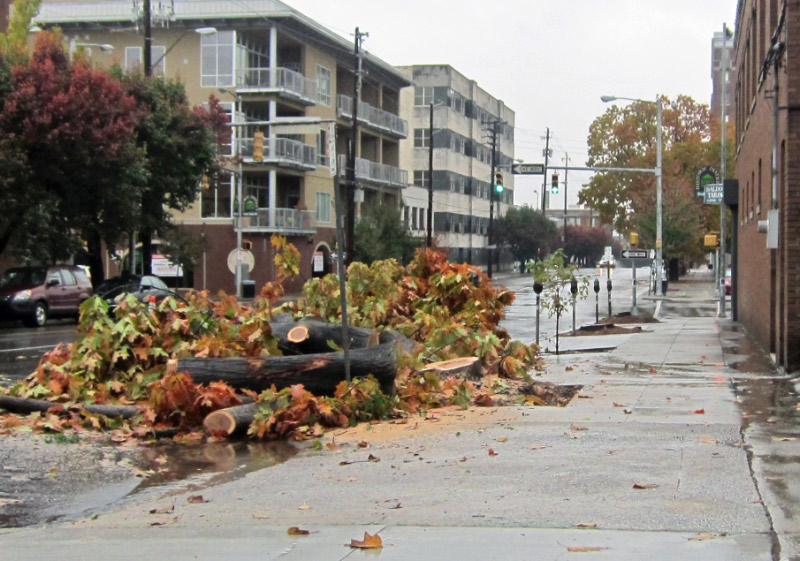
And then there were three. Above is the horrible picture of another perfectly healthy, mature oak tree being torn down on 23rd Street North by the Public Works department (see our previous post here for Part 1). Note the anguished downtown resident begging the workman to stop; the workman of course had to follow orders. We do understand that Public Works employees, off the record, have stated they saw no good reason why healthy 35-year oaks needed to come down.

The grim remains

I urge anyone who’s moved by this arbitrary decimation of an essential urban asset to contact the Mayor’s office and your City Council person, to demand that an orderly process be reinstated at the City, whereby Public Works must communicate with Planning and City Landscape Architects before making decisions about removing trees. Right now that communication isn’t there.

35 years of planning and nurturing--felled in a week's time

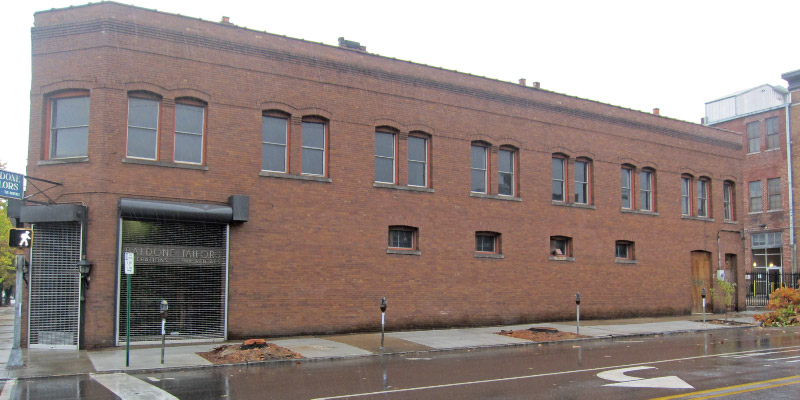
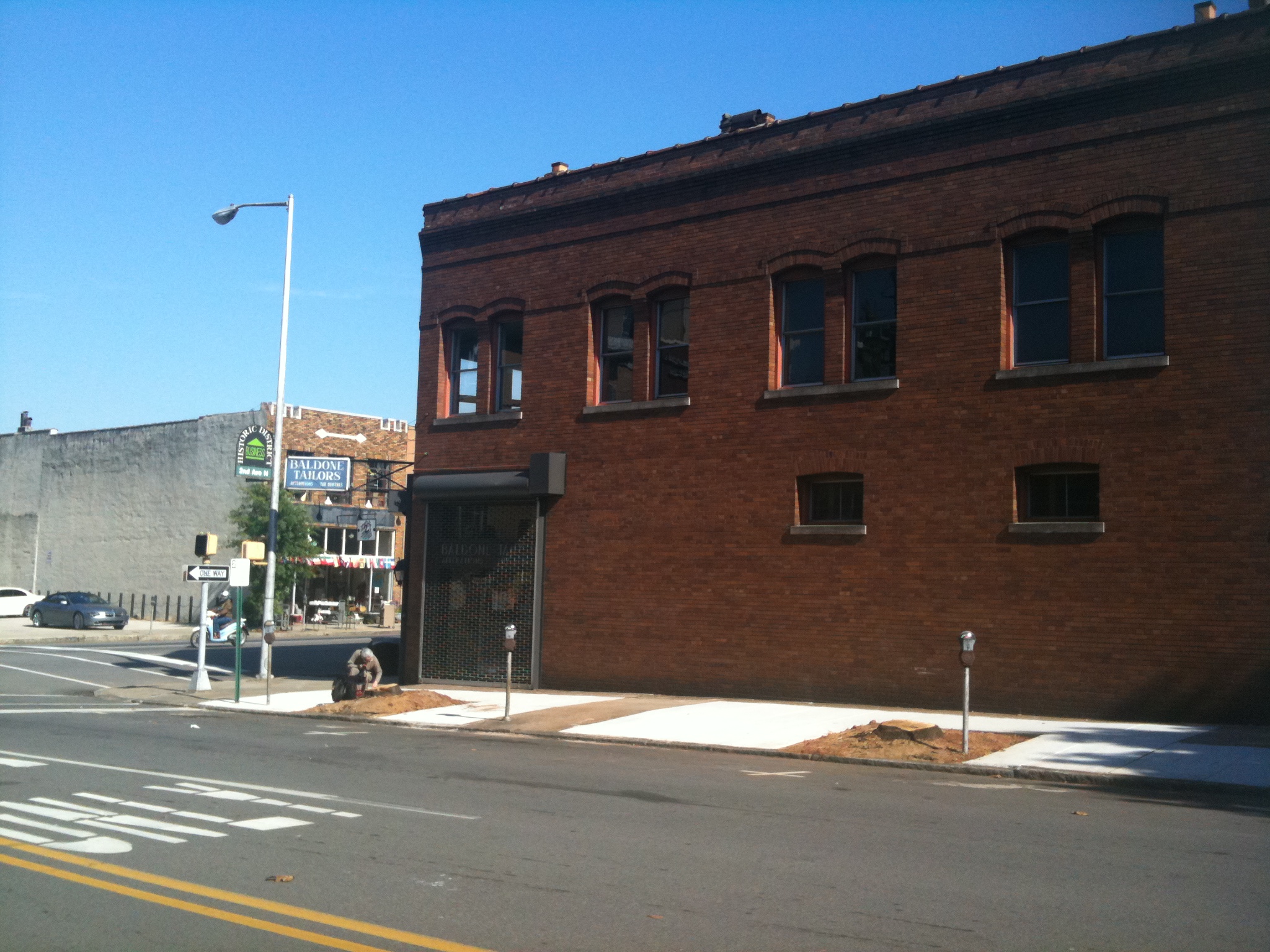
Above you see the now completely denuded half-block in front of  Baldone’s Tailor shop. The fact that this is a west-facing elevation makes this all the more tragic.

I sincerely hope that the Mayor and Council will recognize this as an immediate problem that needs solving. Downtown residents, visitors, and flaneurs aren’t happy. People who care about planning and urban landscape aren’t happy. A little bit of intra-departmental communication could go a long way toward increasing transparency and rebuilding trust. Here’s hoping.

Downtown for dinner

Dinner near you

Finally–it’s been rumored forever, but it’s here: Urban Standard is opening for regular dinner Thursday-Saturday evenings 6-10 PM, in 2nd Row on 2nd Avenue between 24th and 23rd Streets North. As a neighbor and a fan, I encourage everyone to try it out.

While the menu hasn’t been revealed, look for inspiration from northeastern Europe and the same creativity from the chef we’ve come to expect during breakfast, lunch, and brunch.

Unlike other meals at US, dinner will be table service. And–after a long and patient wait, a beer and wine license has been procured–and both will be flowing starting Thursday evening. Cheers, and bon appetit!

[Thanks to Urban Standard for use of their logo]

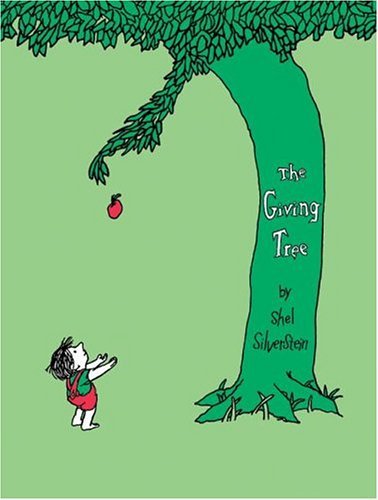
The giving tree

Murderous

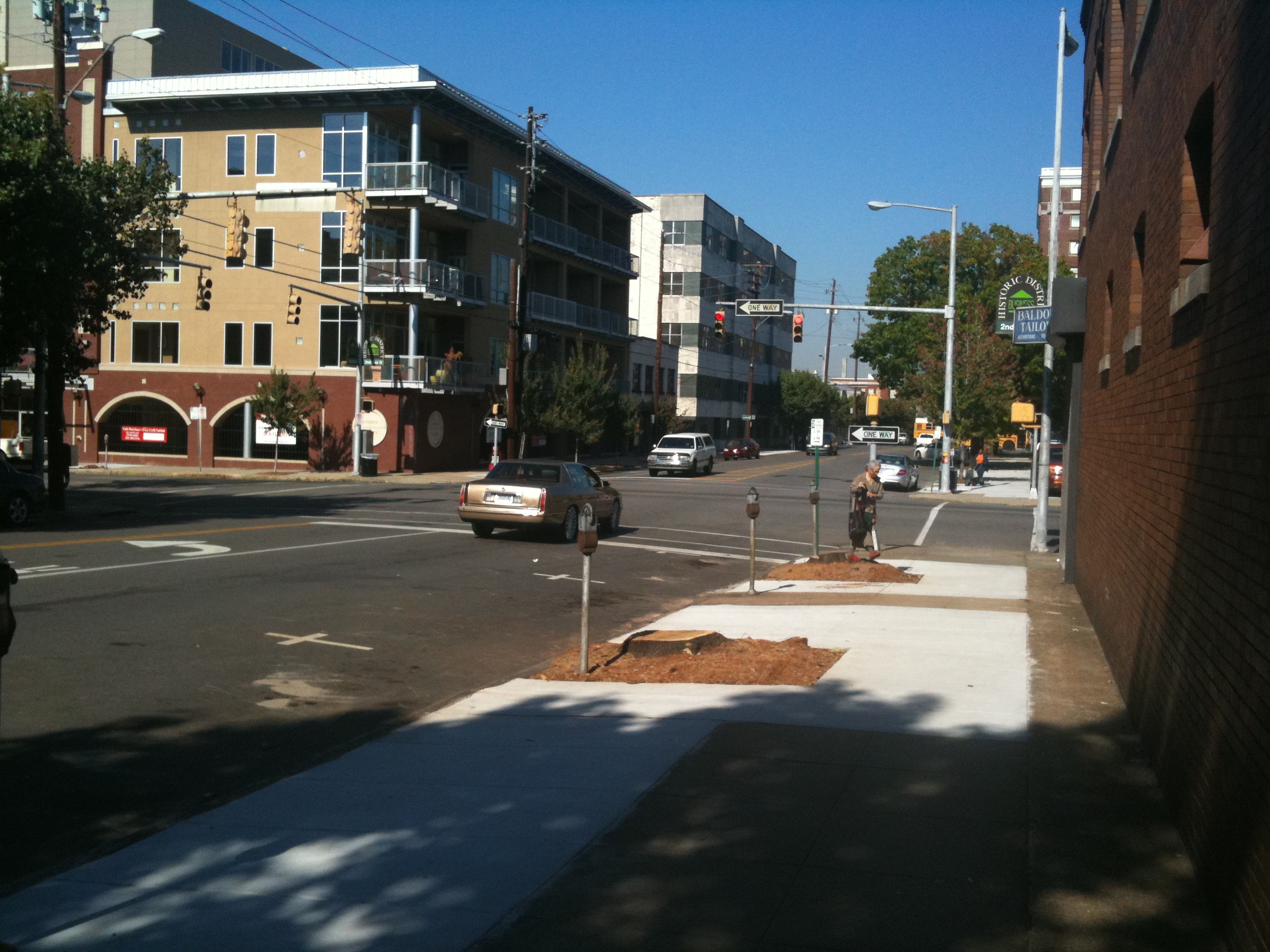
Recently around the corner  (at 2nd Avenue and 23rd Street North), two street oak trees were summarily razed by the City without warning. Their raw stumps may be seen above, surrounded by fresh concrete poured under a City sidewalk initiative. The trees appear to be about 35 years old if you count the rings.

What they used to look like

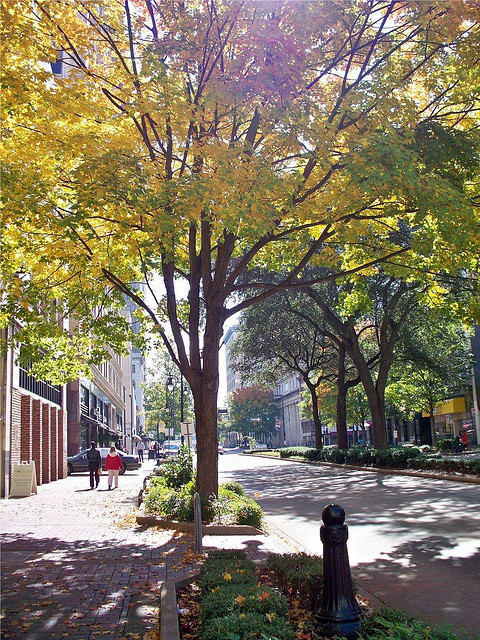
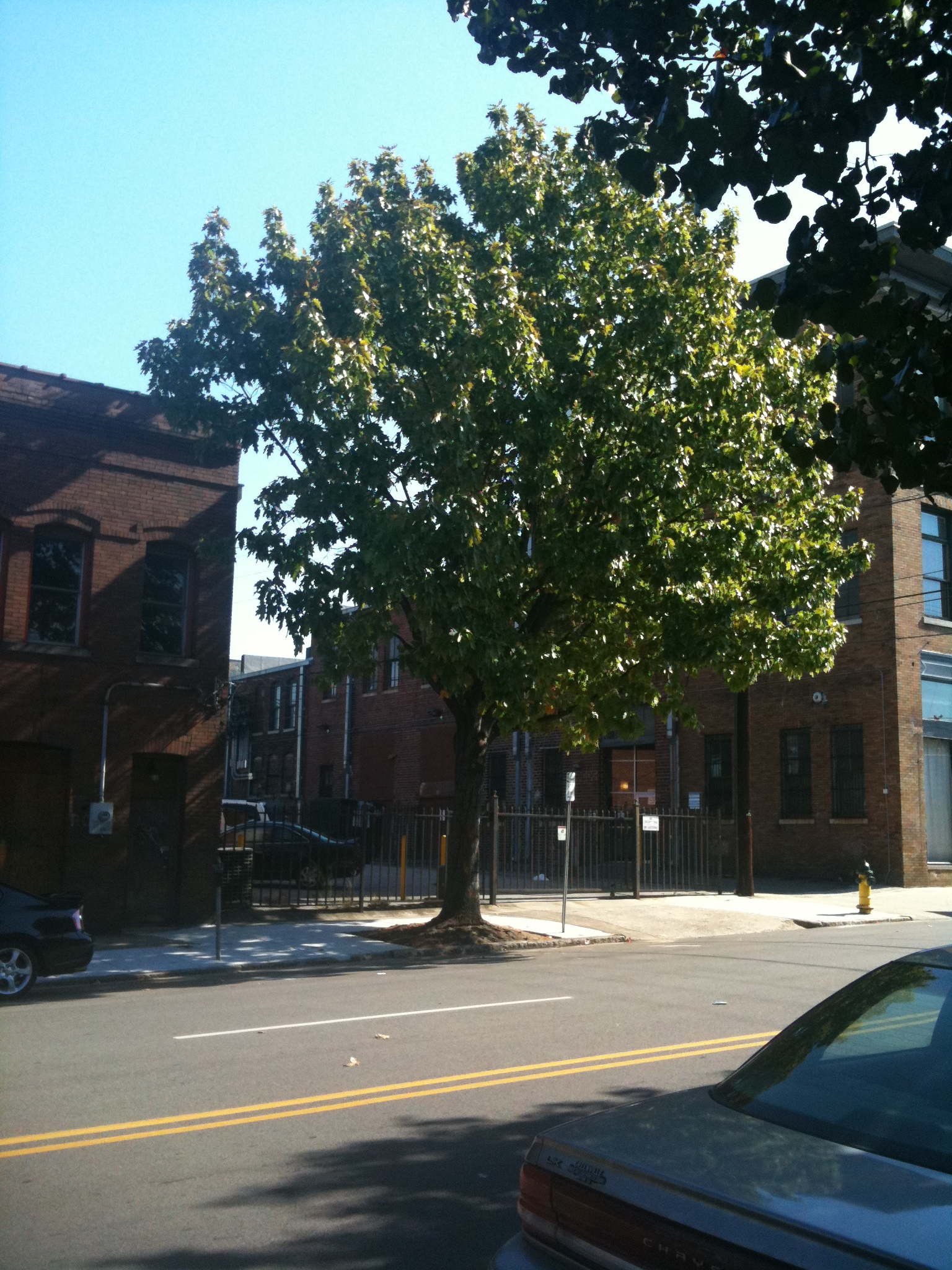
Above you see the next tree moving south down 23rd St., which is exactly what the fallen two looked like. Why were two healthy trees axed? Who makes these decisions? Many of us in the neighborhood are pretty upset since, of course, we feel like the trees are the community’s.

I’ve heard that Mr. Baldone, owner of the 2-story building at the corner and the eponymous tailor shop, requested the trees be torn down because they were making his gutters too hard to clean. Whether this is correct or not is beside the point; what is troubling is that there appears to be no proper coordination at the City regarding such requests. I understand after talking to sources at the City that essentially the Public Works Department does not speak with the Planning Department, so the guys deciding to cut trees down (Public Works) are doing so without the knowledge of the guys who designed and installed them (Planning and Horticulture). A call placed to Horticulture confirmed this sad fact: the staff person fielding the call could only say “we plant the trees, we don’t tear them down” but could offer no other explanation. Because he’s not privy to it.

Naked

A street that was a couple weeks ago beautifully shaded with nice mature trees now feels naked. This is a western exposure–smart idea to include shading devices like trees for comfort and energy savings. And this building front is not exactly lined with storefronts; a common complaint of shopkeepers downtown is that trees, for all their good intentions, excessively hide the stores.

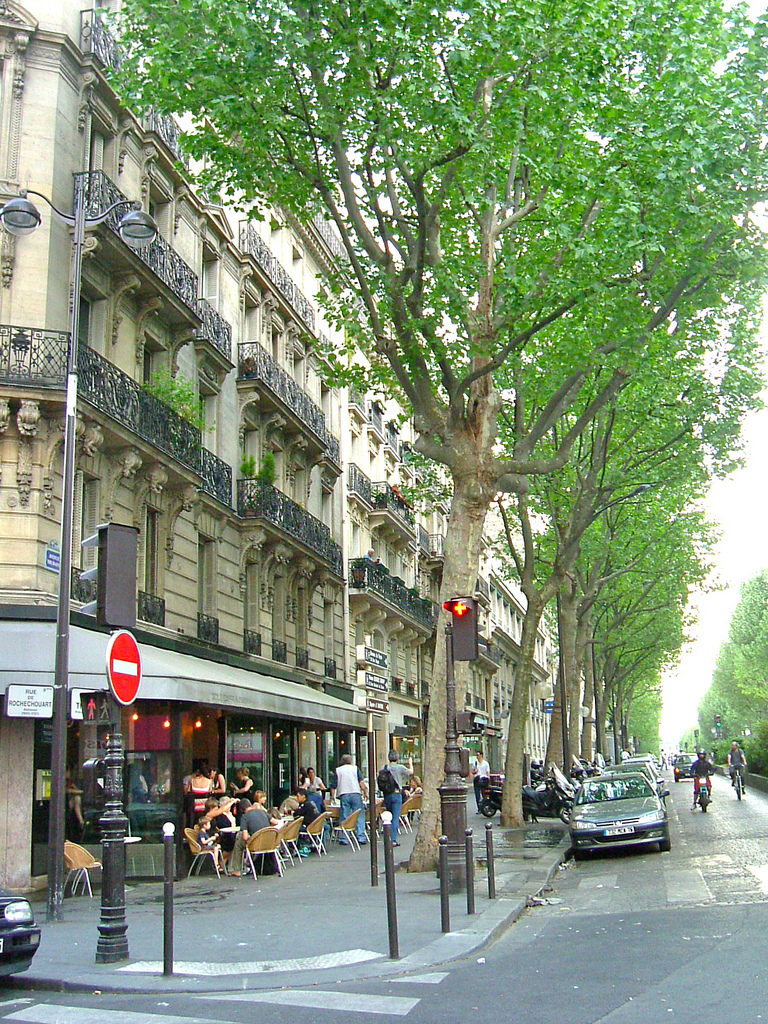
In the best urban places with strong traditions of public space, one can find trees that are not only well-tended and considered an inalienable part of the cityscape, but are the correct species both for longevity and for height/bulk in relation to adjacent storefronts. They are properly pruned to provide visibility at the street while maintaining canopies to shield from sun and provide protection in rain. Witness Paris with its elegant plane trees:

Properly pruned and cared for

Regardless, if anyone has more information on the loss of these trees, or any insight into how the process could be more public, please share it with us. At the very least it would be nice if Public Works posted a “To be Cut” sign on the trunk a week in advance, to give people time to question/protest. The public needs to be reassured that all the work of the Planning Department can’t be quickly dispatched at the stroke of a Public Works’ employees’s pen, or at the lone behest of a single property owner. These trees give us shade, clean our air, and beautify our neighborhood. They deserve more respect.

We all know what happened in the end

[thanks to hansn for the Paris pic]

Fire Station No. 10

Hopefully better publicized than No. 22

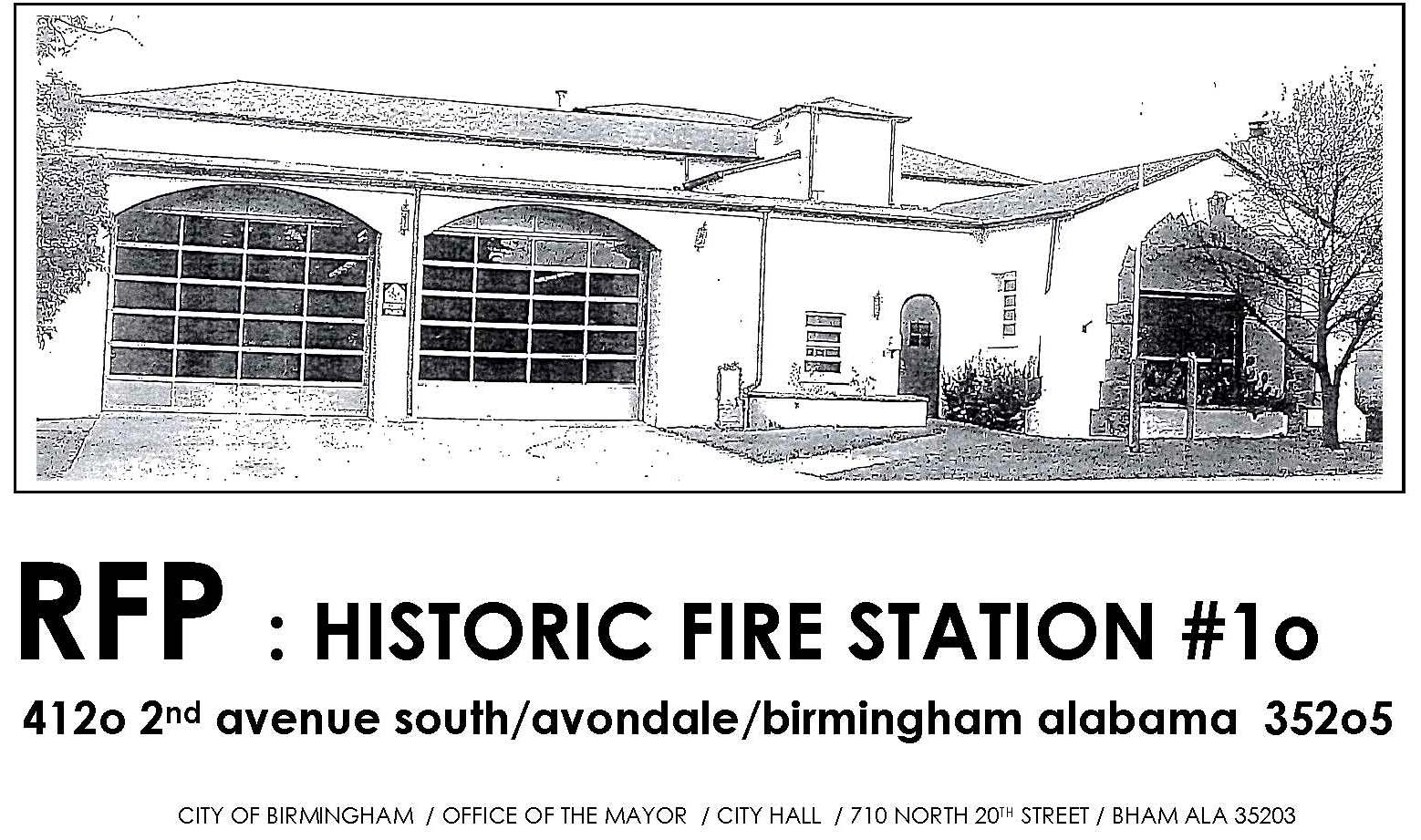
Just a quick post on historic Fire Station No. 10 in Avondale for which the City is soliciting redevelopment proposals . Anybody who may be interested in preserving this gem with a creative reuse should respond to the Request for Proposal here.

Hopefully this RFP will be much better publicized than the one for Fire Station No. 22 on Clairmont Avenue, so we don’t all wake up surprised by a Walgreen’s!

Deadline for submission is November 15, with the Mayor announcing the winner December 15. Interestingly, unlike the ill-fated RFP for No. 22, this RFP is emphatic about the historic nature of the fire station, and encourages preservation.

Small scale big change

Small step = big step

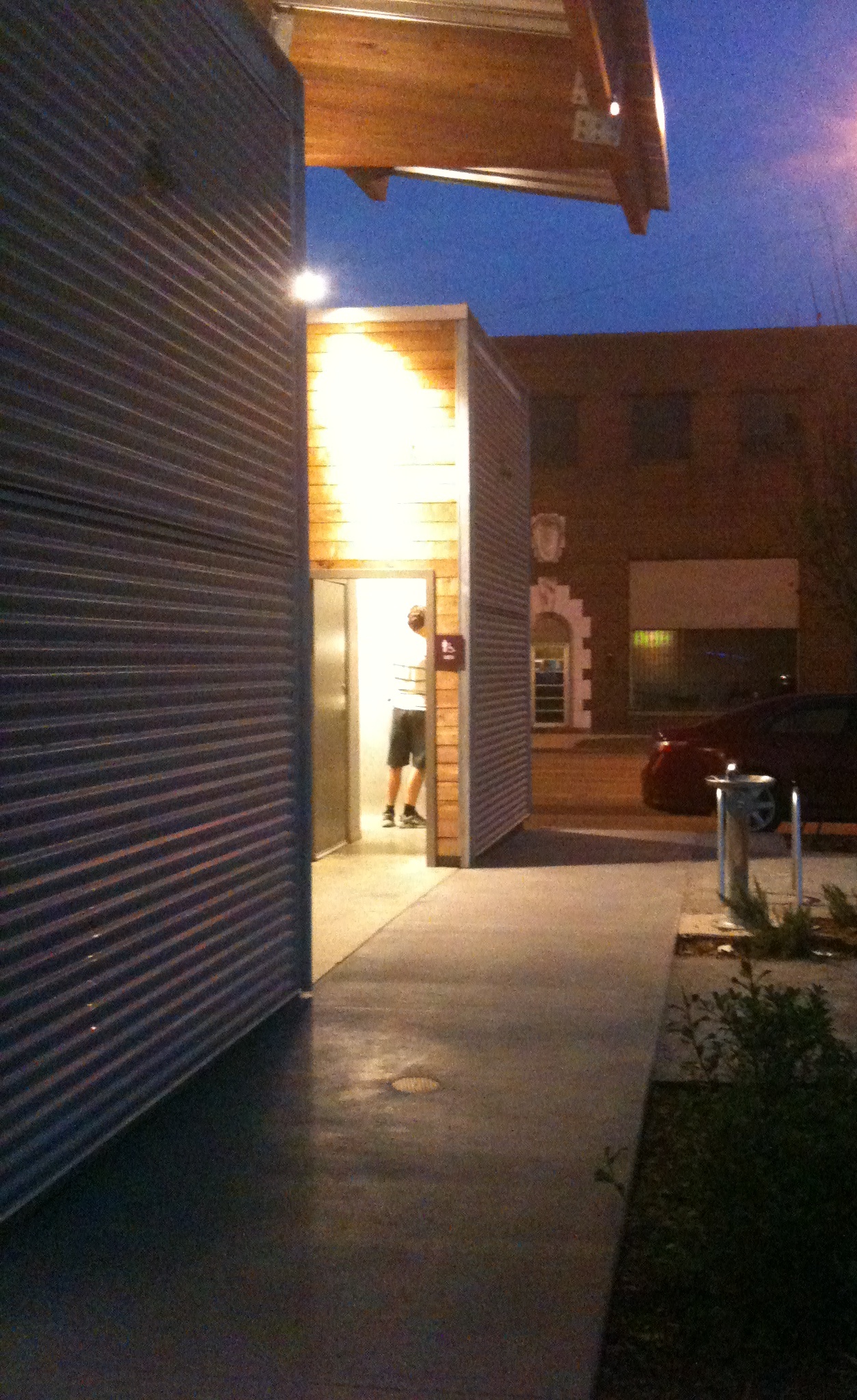
Sometimes small things make a big difference. Above we see a snapshot of some mundane public amenities at Railroad Park–to the right a drinking fountain and some bike racks; to the left some public restrooms. But look again and you realize something pretty unusual is going on here. Yep, it’s the restrooms–typical of many American cities, Birmingham is pretty much devoid of any public facilities for public relief if one is out on the streets or in a park. So this small gesture to human comfort is actually a big leap forward in our accommodation for people in public spaces.

Form follows function

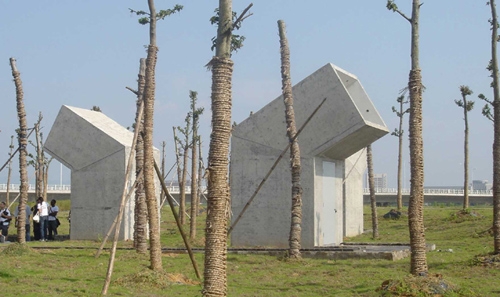
Other countries are much better about providing this basic human necessity to the urban public. Above is a recent installation of new restrooms in a park in Jinha, China. It’s found on an interesting blog post on public restroom architecture here.

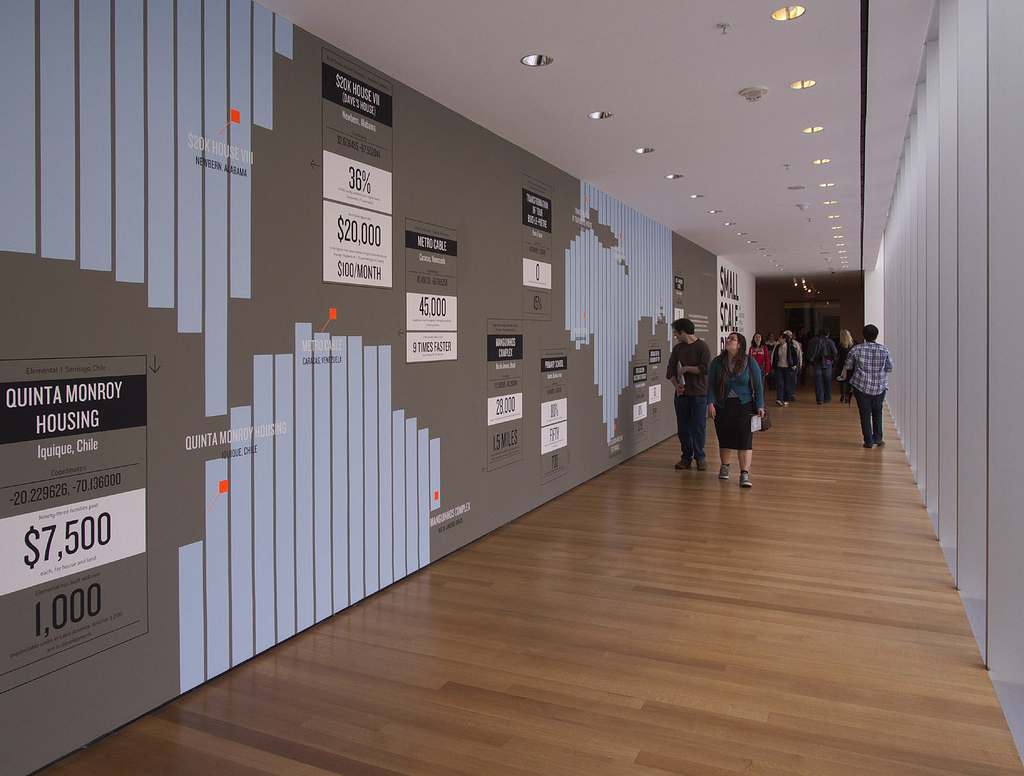
The thought of architects harnessing their talents to affect social good has lost some currency in recent decades, as the academy has become immersed in aesthetics and theory, beaten down by earlier generations’ aspirations to change the world (i.e. vast, inhuman urban “renewal” plans; housing “projects”, and the like). A show up at MOMA in New York City presents a refreshing set of new design projects that reject “high aesthetics”, and instead service real needs, typically of very poor populations around the world. It sounds like it’s worth a trip if anyone’s in New York soon. It runs through Jan. 9 and you can find a great review of it in the New York Times here. It’s called “Small scale, big change”. In a way, those 2 restrooms at Railroad Park, with their humble boxcar design, make the same point about form following function right here at home. For those who can’t travel up to the show, below is a pic of visitors enjoying the exhibit.

Nothing quite like an architecture show at MOMA

[Thanks to Brute Force Collaborative for the Chinese restrooms, and to archidose for the MOMA exhibit].

The fraying fabric of Five Points (2)

Really?

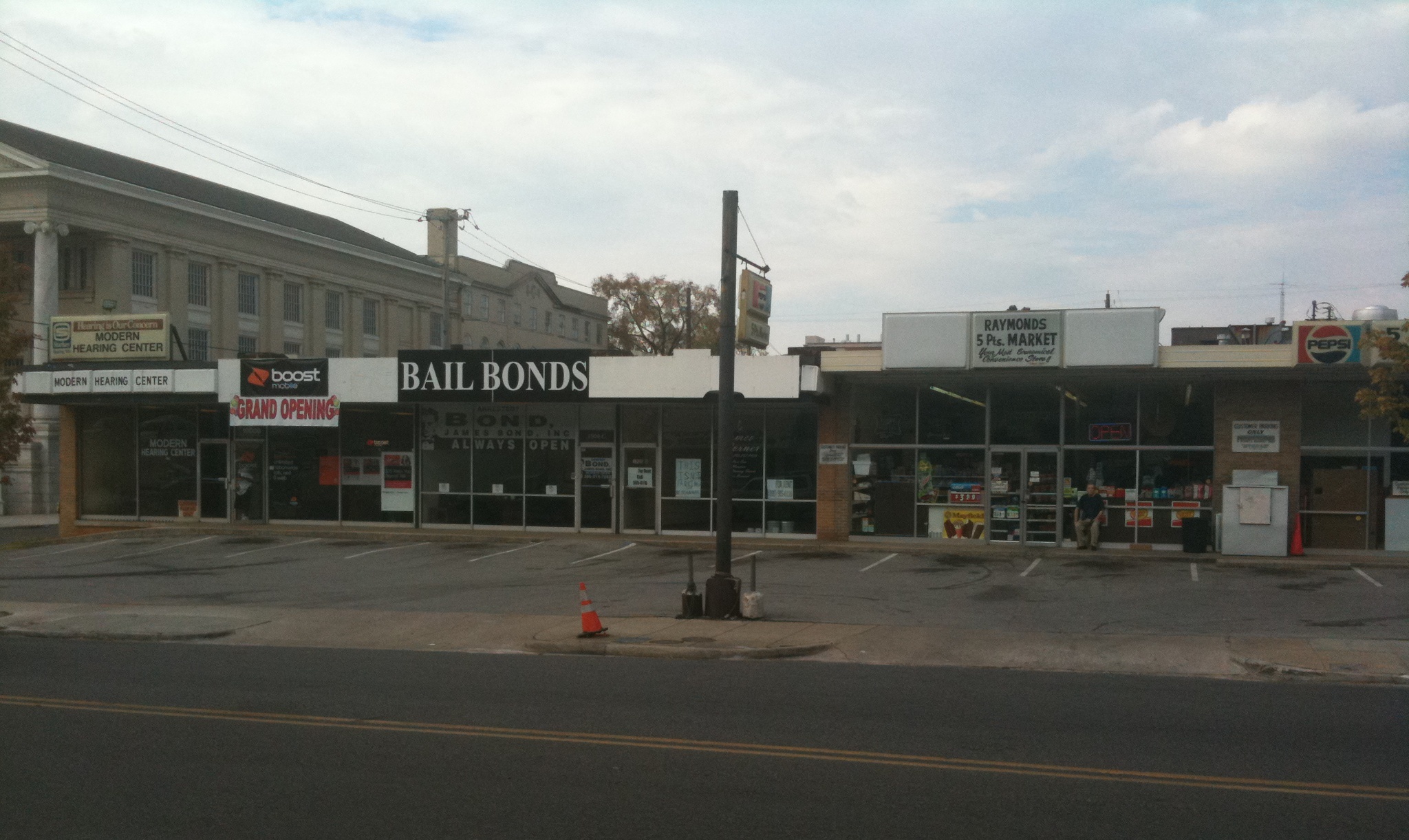
In the second article about the critical period Five Points South is going through right now, the above image should give everyone pause. It seems not too long ago, this little strip mall on the 1900 block of 11th Avenue South was home to a longtime hairdresser, hot dog stand, and convenience store, as well as an H and R Block. The convenience store remains, but the hot dog stand is closed and cardboard boxes and rear ends of display cases block the plate glass. A vacant storefront has a “This is not parking for restaurants” sign menacingly scrawled, amidst other cheaply done, temporary signage. In fact, the cacophony of old and new signage, “temporary” banners and posters, and the overall complete lack of street presence makes this surely one of the most shameful urban presentations in Five Points.

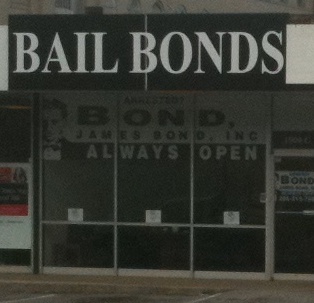
Worst of all is the new “Bail Bonds” sign, in horrific black and white, with an incredible graphic pasted across the storefront stating “Arrested? Bond, James Bond, Inc. ALWAYS OPEN”. Is this for real? Did it really get approved by Design Review? Here’s a detail of this storefront below:

...and again, really?

If ever there was an example of the need for a redevelopment authority, which years ago could have acquired this property and solicited for redevelopment more appropriate for the neighborhood, this is it. As it is, the property and its tenants have really sunk to a new low, and it’s depressing. I mean, Bail Bonds? In the middle of Five Points? Not exactly the image we’d like to convey in the metro’s center for dining and nightlife.

On a more positive note, the local merchants (and there are many wonderful merchants who keep us optimistic about the place) have formed a committee to address “immediate tasks and long term goals” for the area. There’s a piece in the Birmingham Business Journal on this announcement here.

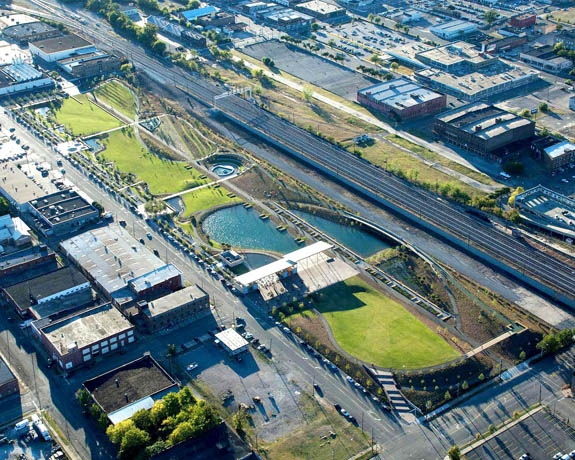
And on another positive note, unrelated to Five Points but a few blocks south–a friend alerted me to the fact that Tom Leader, the Berkeley, CA-based landscape architect responsible for the design of Railroad Park, now features that park on the front page of his website. Here’s one of the aerial pics you can find on his project page, showing the elegantly layered design of the park from above:

let's densify the edge and connect it with bike paths!

So far the main complaint I have about the park is the lack of sidewalks bordering it on 1st Avenue South (hopefully they are coming soon!?!). Oh, and one more complaint–that greenways/bike lanes aren’t already in place making it easy to reach this incredible space from across the city by bike. Regardless, I’ve been there almost every day or night enjoying it (walking or biking from home), and it looks like the rest of the City is too. That gives me hope after a grim meet-up with “James Bond” up the street.

[Thanks to Tom Leader Studio for the aerial pic]

The fraying fabric of Five Points Alert (1)

Among the last of an era

Walking through Five Points South yesterday I was struck by the number of vacancies, the “for sale” signs, and then it hit me — we are at a very crucial time.   I think back 10 years ago when, heaven forbid, there was talk of chain stores (Gap, Blockbuster Video) moving in.  Now that many independent retailers are gone anyway (with some very important exceptions! iii’s anyone?),  and a Chick-Fil-A is the biggest recent news story, we are facing a difficult period.  This should be a jewel of our downtown.  Restaurants, bars, retail — all capitalizing on the huge adjacent UAB population.  But it’s not living up to this potential.

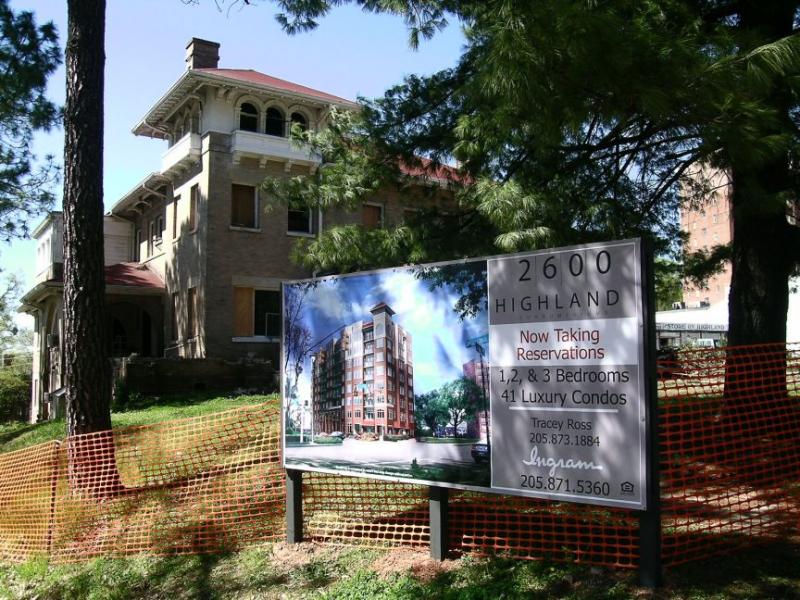
Seeing the furniture and detritus on the front porch of the Hassinger home, a gorgeous grande dame of Highland Avenue adjacent to the new Chick-Fil-A development (the elderly lady living there has departed), I am reminded of what happened to the Otto Marx mansion further down Highland a few years ago, when a unique, historic structure was torn down and replaced by a new structure that could have easily gone somewhere else:

A piece of history falls before the mighty hand of the market

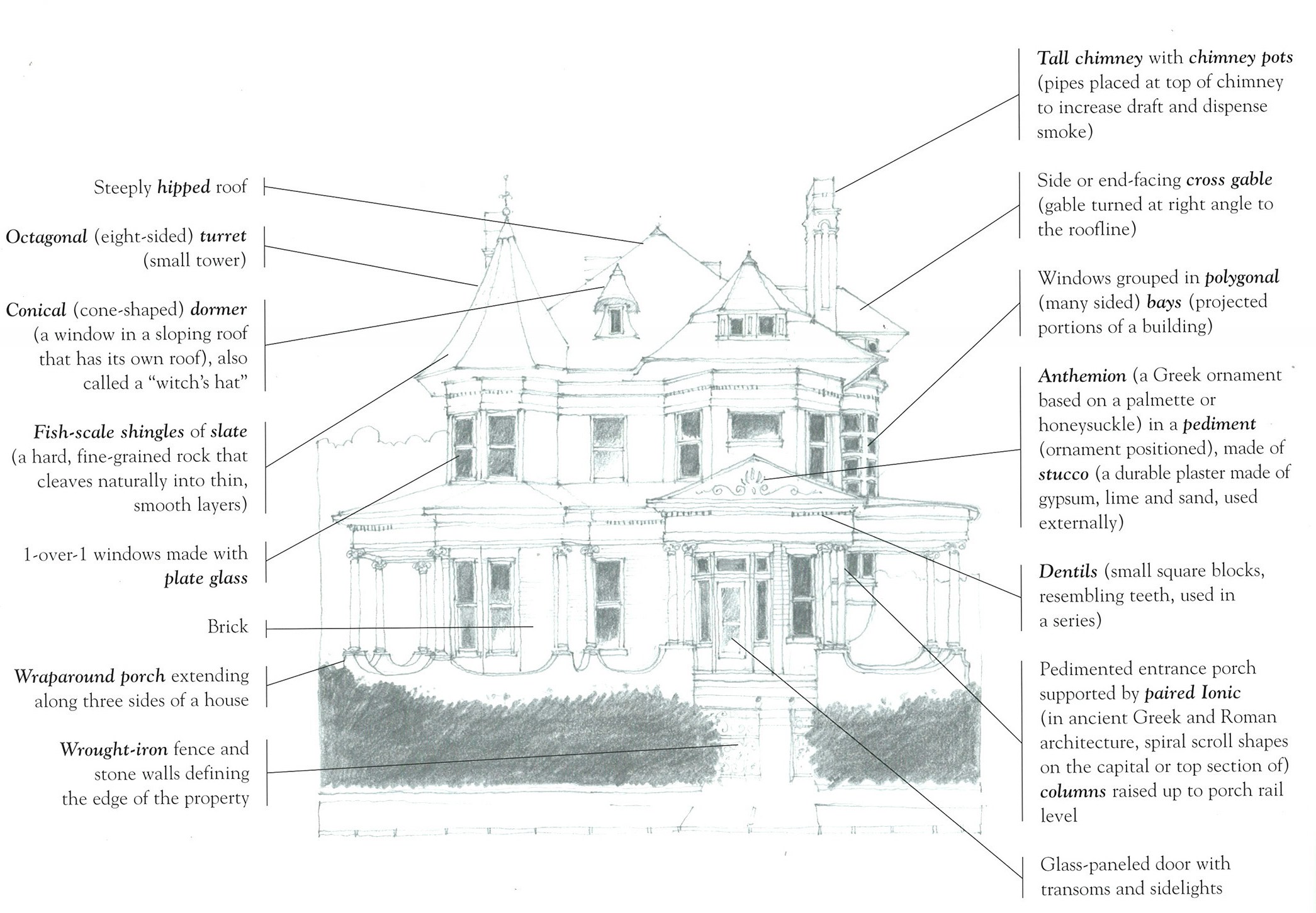
In 2003, the Alabama Historical Commission and Alabama Preservation Alliance added the Hassinger home to its “Places in Peril” list, and rightly so.  This is an excellent example of the Queen Anne style as noted in the Birminhgam Historical Society‘s Guide to Architectural Style:

Illustrative purposes

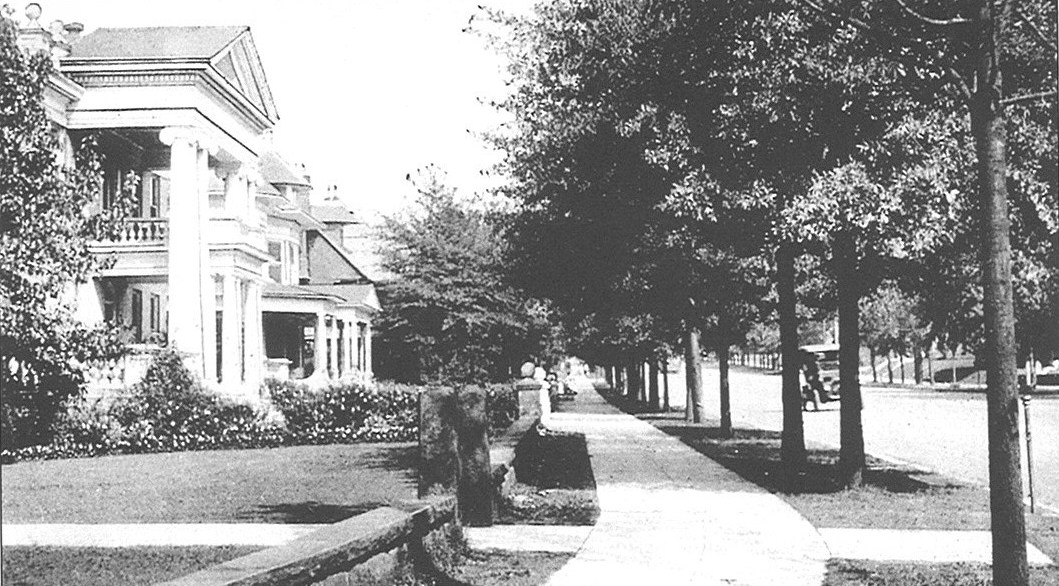
So many of the homes that once lined Highland Avenue have been torn down in the name of progress, or left to fall apart until there was no other choice.  As readers may know, I am a big proponent of diverse communities with lots of architectural choices. But when you only have a handful of historic houses left in the City like this, the choice is clear. We need to preserve.

The way it was

What could this site be? A fantastic bed and breakfast with a welcoming front porch for visitors.  A bookstore.  Or, to dream big, quality retail, similar to how the Rhinelander mansion in NYC was saved to create the Ralph Lauren store on Madison Avenue:

Could be perfect for prepsters

[thanks to dystopos for the Hassinger House pic; lsyd for the Marx/Sales sign pic; Birmingham Historical Society for the diagram of the Hassinger House; Jefferson County Historical Commission for the 1910 view of Highland Avenue, and sruellen for the Ralph Lauren pic.]