Category Archives: Uncategorized

In the mix

Another chance

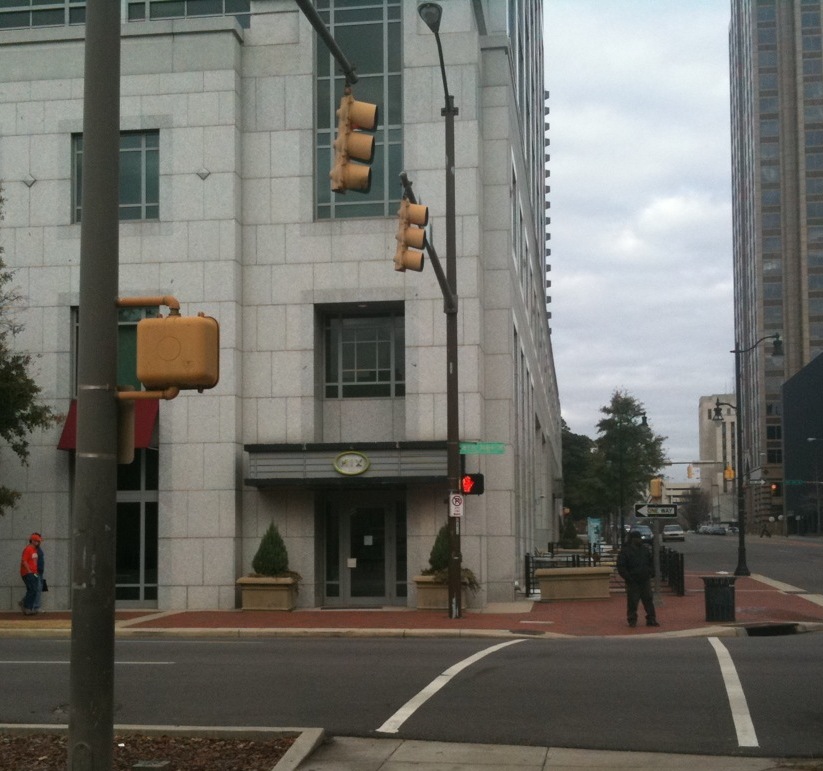
Mix, a new bakery/restaurant at the corner of 4th Avenue North and 19th Street, had a “soft opening” this week. It’s a joint venture of Chris Dupont, owner of Cafe Dupont a few blocks away, and baker Corey Hinkel (the Birmingham News has an article with more photos here).  There appears to be no website yet, but the posted menu advertises fresh breads and baked goods, gourmet sandwiches, and salads.

This venture replaces the long-shuttered “Restaurant G”, which in 2002 was the first “white tablecloth” restaurant to open downtown in many years. To me, it suffered from a glossy, corporate ambiance which didn’t foster warmth or customer loyalty.  It appears Mix has made some changes to the interior; I hope they increase the amount of signage on the exterior as well. Good luck to the new venture and we hope it becomes a stable anchor to this somewhat isolated intersection (unfortunately the other corner properties are a parking deck, a parking lot, and a drive-through bank and parking lot!).

Design time

Good graphics shape public perception

First, great news from City Hall: the same City team that has been rolling out the visually impressive Civil Rights Heritage Trail markers above (designer: Ford Wiles of Big Communications) is working on a complete wayfinding project for the City. As we’ve stressed in numerous posts, it’s long past time for a city our size to have a comprehensive plan for visual navigation through the urban environment. If the Civil Rights markers are any indication, we can expect high quality, thoughtful graphics and other environmental cues that will make our City more user-friendly for resident and tourist alike. We’re excited about this news, and look forward to a roll-out in 2012. We’ll report more when we have more details.

Second, not so great news from the  Design Review Committee: the Webb Building, whose initial renovation proposal we praised here, before the owner switched course and did something completely different which we lamented here. Before the holidays, the owner engaged a new architect, Herrington Architects, to present a “compromise” solution, which the DRC approved (below).

Disappointingly off-base

The above rendering shows the unevenly scored stucco (which had angered the Committee previously, and which was such a departure from the originally approved sleek metal banding) now being presented with contrasting paint colors, creating a “panel” effect. It is surprising that this blank/solid feel of this stucco portion, which continues to make the building top-heavy, was approved. There is an unfortunate parallel with these new panels and the ubiquitous applied panel schemes of the 1960’s, which were used to cover up historic facades across this downtown and others. Most likely, the new architect was given very little leeway to be creative, perhaps even constrained by the owner. The Committee itself does not have the power to force someone to return to the previously approved design; in this case, I sure wish they did.

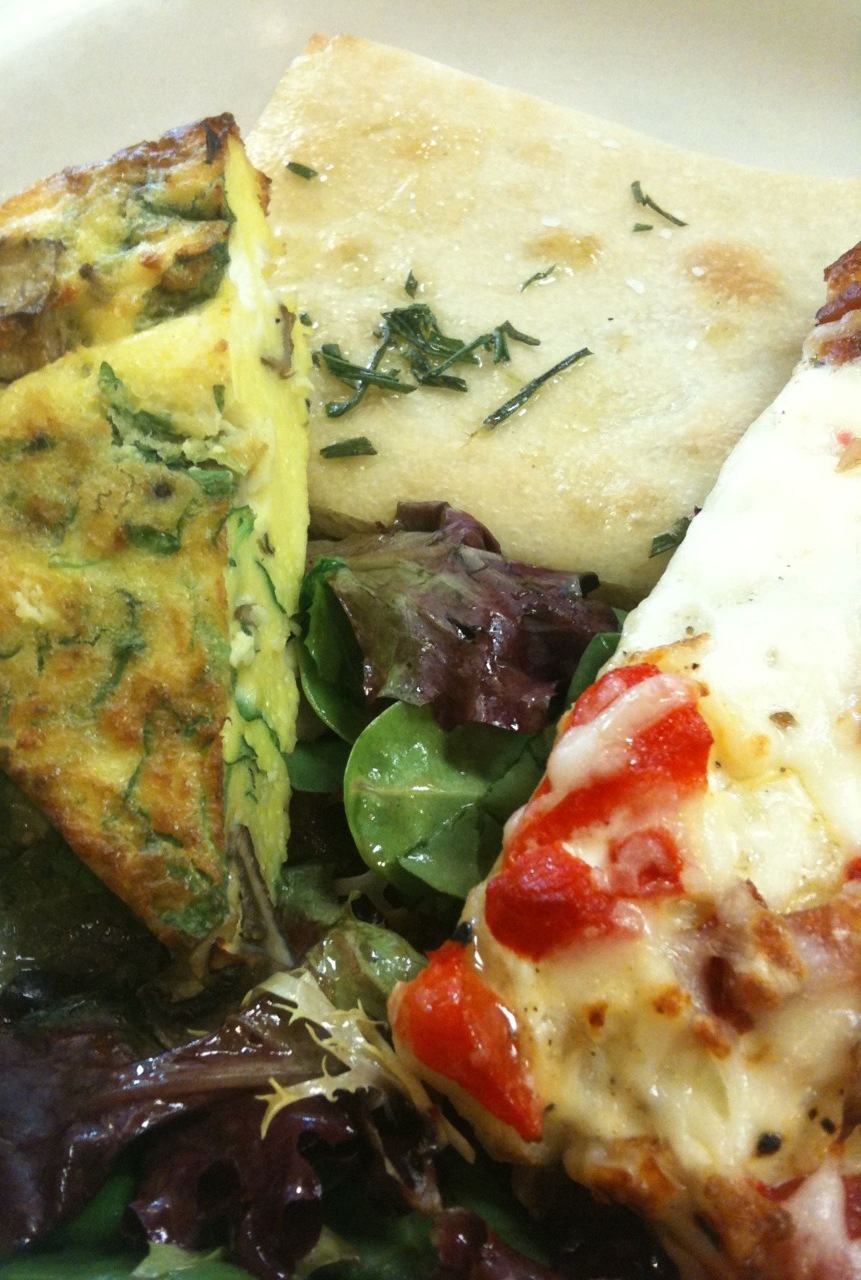
Tasty

Finally, a new business is planned for downtown as part of a renovation of an historic building. Look for details in the next few days in the Birmingham News. The pic above is a small teaser, hopefully whetting your appetite for more info.

[thanks to vizual2 for the Civil Rights Trail pic,  Herrington Architects for the Webb Building rendering, and wendy_tsang for the yogurt pic]

Tragedy.

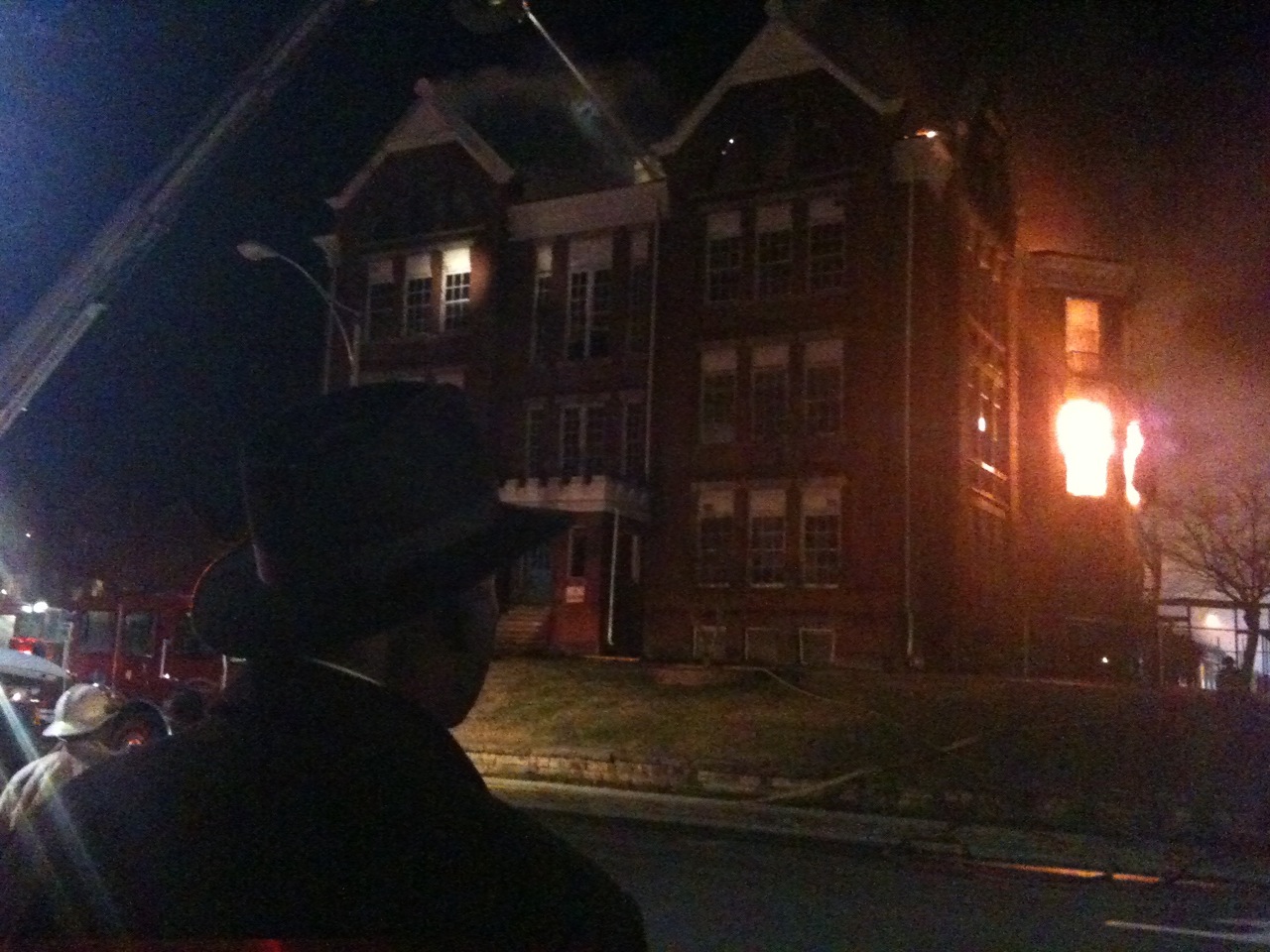
Tonight the Powell School, the City’s oldest school building (1888), caught fire. By the time I arrived about 10 PM at the corner of 24th Street and 6th Avenue North, multiple fire trucks and dozens of firemen were battling the blaze. Sadly, the damage is major. While the fire now appears under control, it remains to be seen if the shell is salvageable. Let’s all pray this is the case; architecturally there is nothing else like it in the City, and historically it is without parallel as our first “Free School”.

While the News has better pictures here, I post a snapshot I took above, of a sad Mayor William Bell, consulting his fire chief and watching the blaze for some time. My great-grandmother walked to this school from her house a few blocks away as a little girl; by 2004 it finally closed when the new Phillips Academy opened nearby. For everyone interested in this City’s history, this is indeed a sad, sad night.

Sizing it up (2)

A new vision

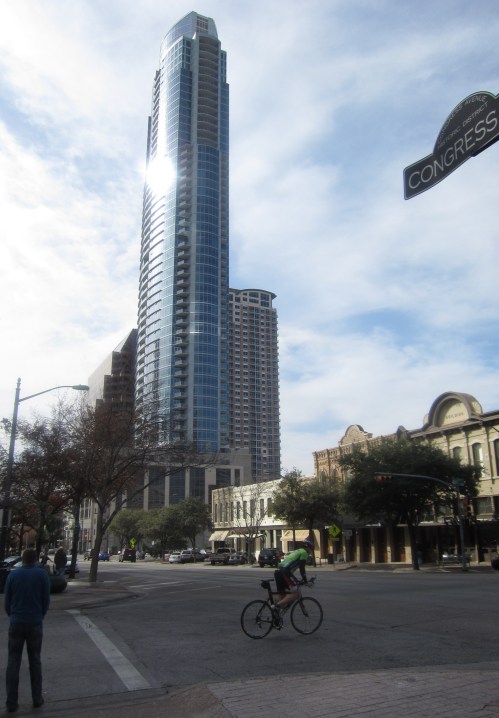
Our next trip is to Austin, TX–a city that not long ago was comparable to Birmingham in size, but which recently has exploded with growth. Some quick stats: in 1960, Austin City had 186,000 residents and a metro of 301,000; Birmingham City had 340,000 residents and a metro of 634,000. Austin was 49 square miles, Birmingham 75. Fast forward to 2009, and Austin City has 786,000 souls and a metro of 1,705,000. Birmingham City has 230,000 souls and a metro of 1,212,000. City limits are now 272 square miles for Austin and 152 for Birmingham. In the last several years since I first visited, the skyline has transformed with multiple condo towers, each 30 stories or higher (the 60-story Austonian is pictured above).
Walkable

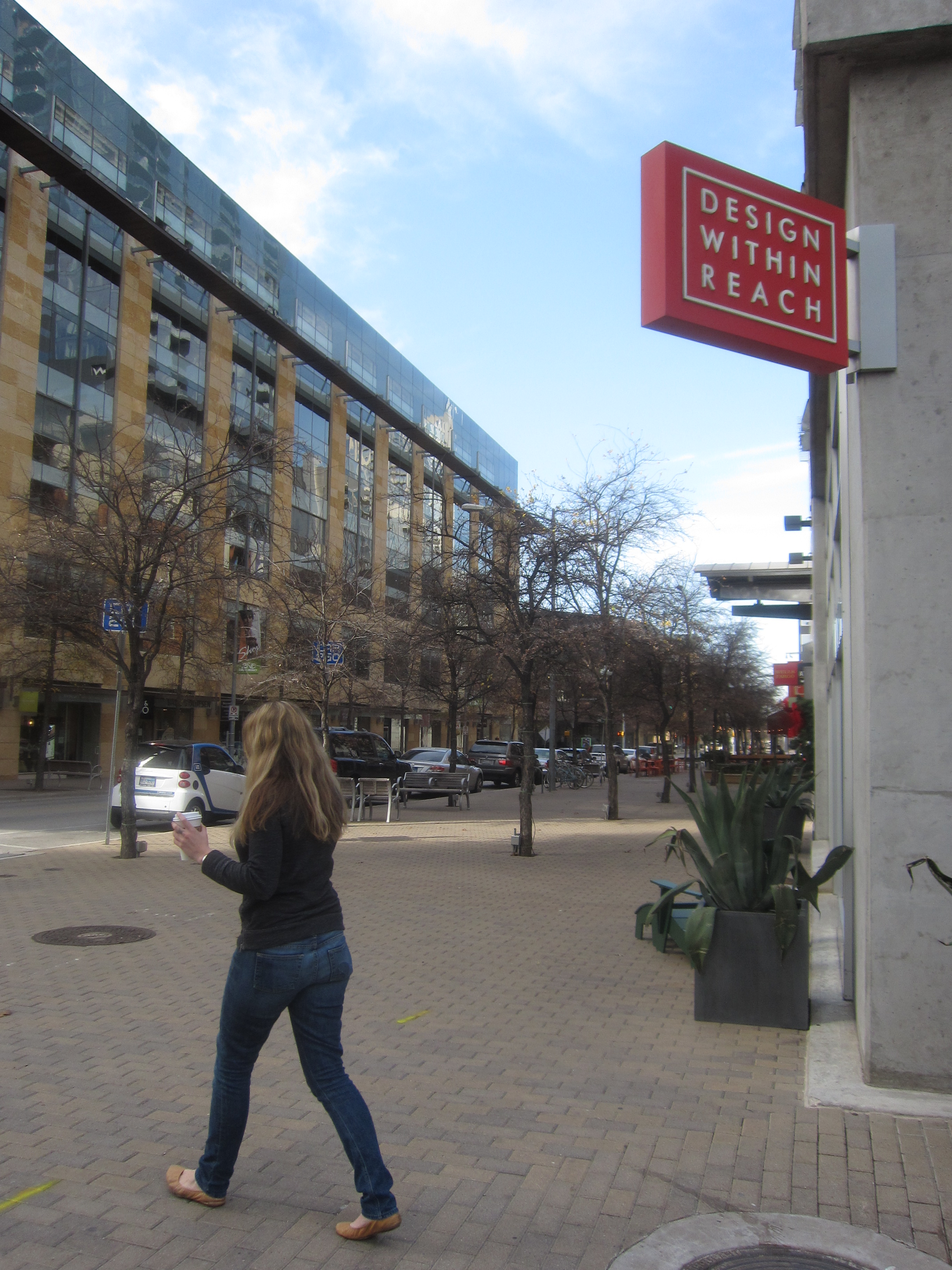
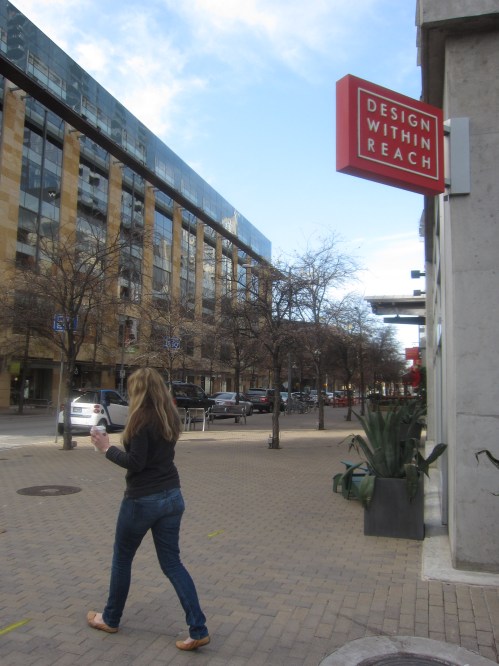
Much of the new residential development is focused on the Warehouse District (more an excellent case of branding than a true warehouse district), where city leaders have focused development incentives to increase the resident downtown population to 25,000 by 2015 (it’s about 10,000 right now, and was about 5,000 just a few years ago). As you can see from the photo above, city design guidelines mandate very wide sidewalks, crisp street furniture and well-selected trees, hidden parking garages, and ground floor retail space. Which, despite a few vacancies, appears to be thriving with upper-end furniture stores, clothing boutiques, and the like.
Veggie dog, anyone?

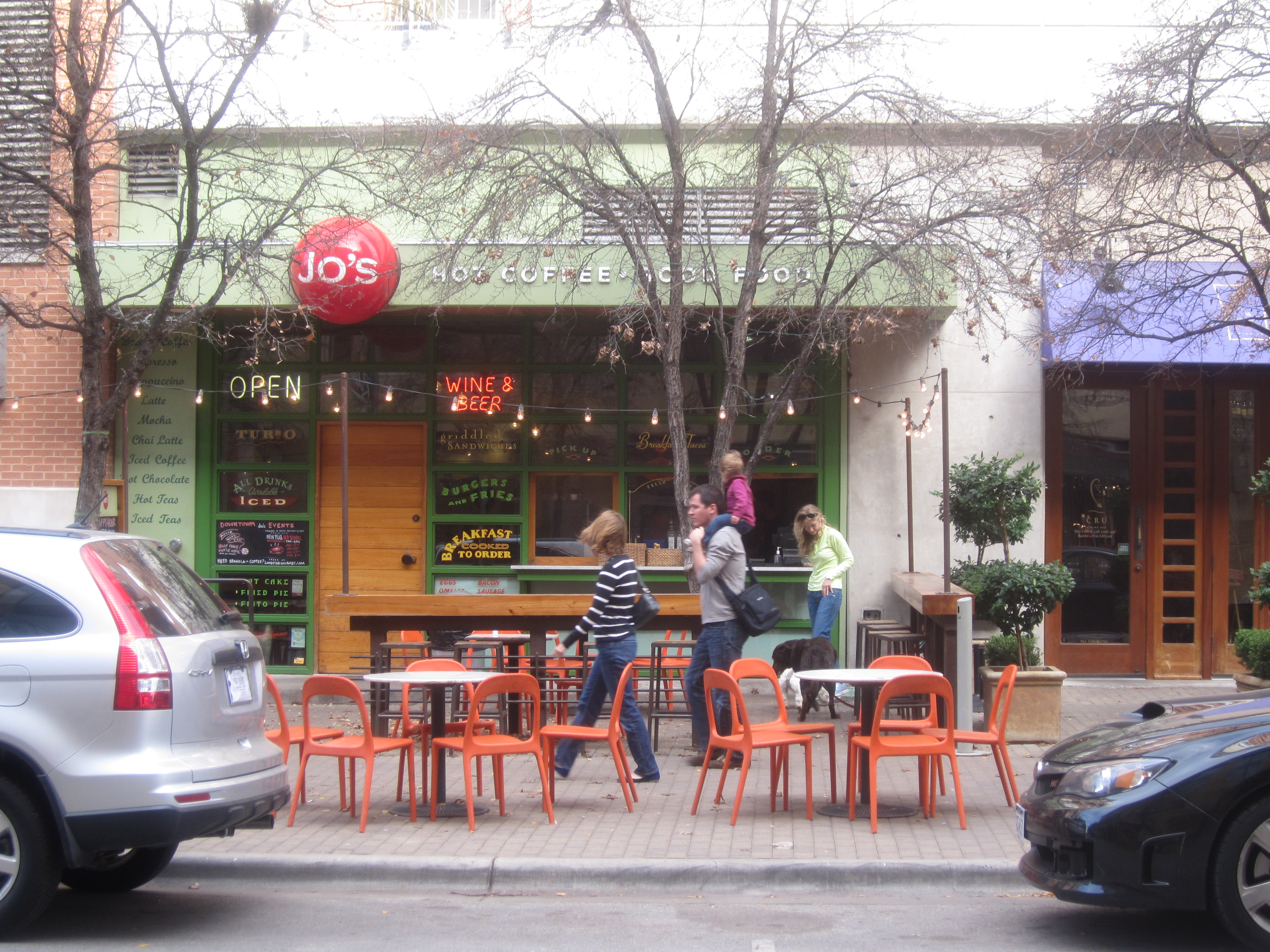
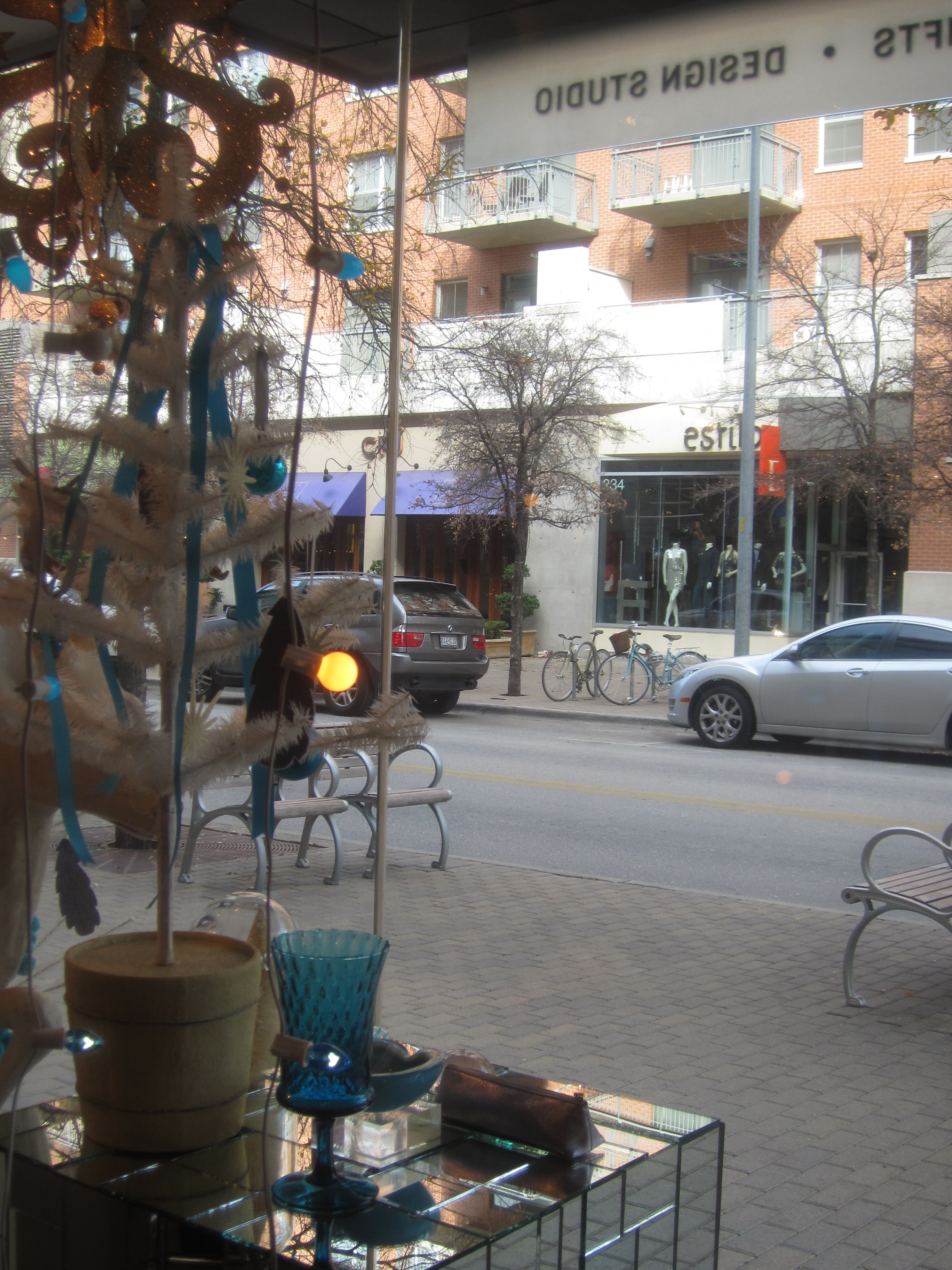
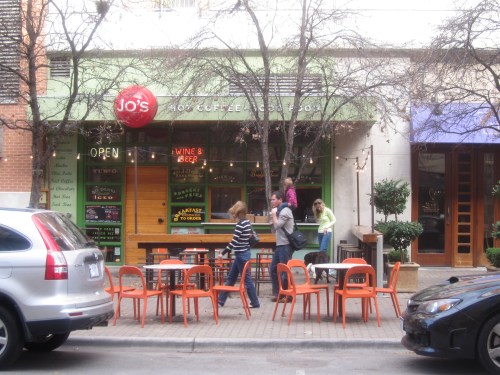
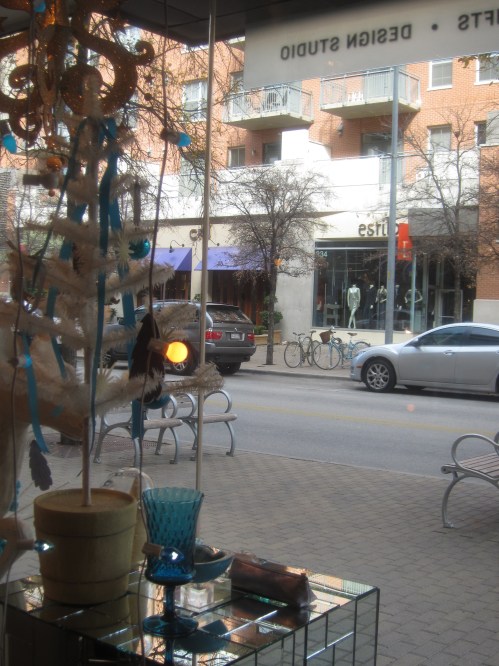
The retail shops and restaurant are consistently high quality in their storefront presentations, graphics, signage, and street furniture (a good example is Jo’s Coffee above). In a complete inverse of Birmingham–where we have woefully little-to-no branding of urban neighborhoods which could allow the public and developers to focus and promote properly–Austin has aggressively branded its sub-neighborhoods downtown. Thus, the 2nd Street District is the retail center of the Warehouse District, with its own website, logos affixed to storefronts, etc.  A view out of one of our favorite shops, Mercury Design, is below; again notice the signage, the bikes, the wide sidewalks, the stylish mannequins across the way. It’s sort of a picture-perfect upscale urban dream made real.
Top notch urbanity

Perhaps in reaction to all the upscale shops and expensive condos (which fetch prices much higher than those in Birmingham), the City is working on new rules which require developers to pay a premium for certain densities and heights; this money goes into a community fund to support affordable housing and parks, in an effort to ensure downtown Austin doesn’t become just a playground for the rich.

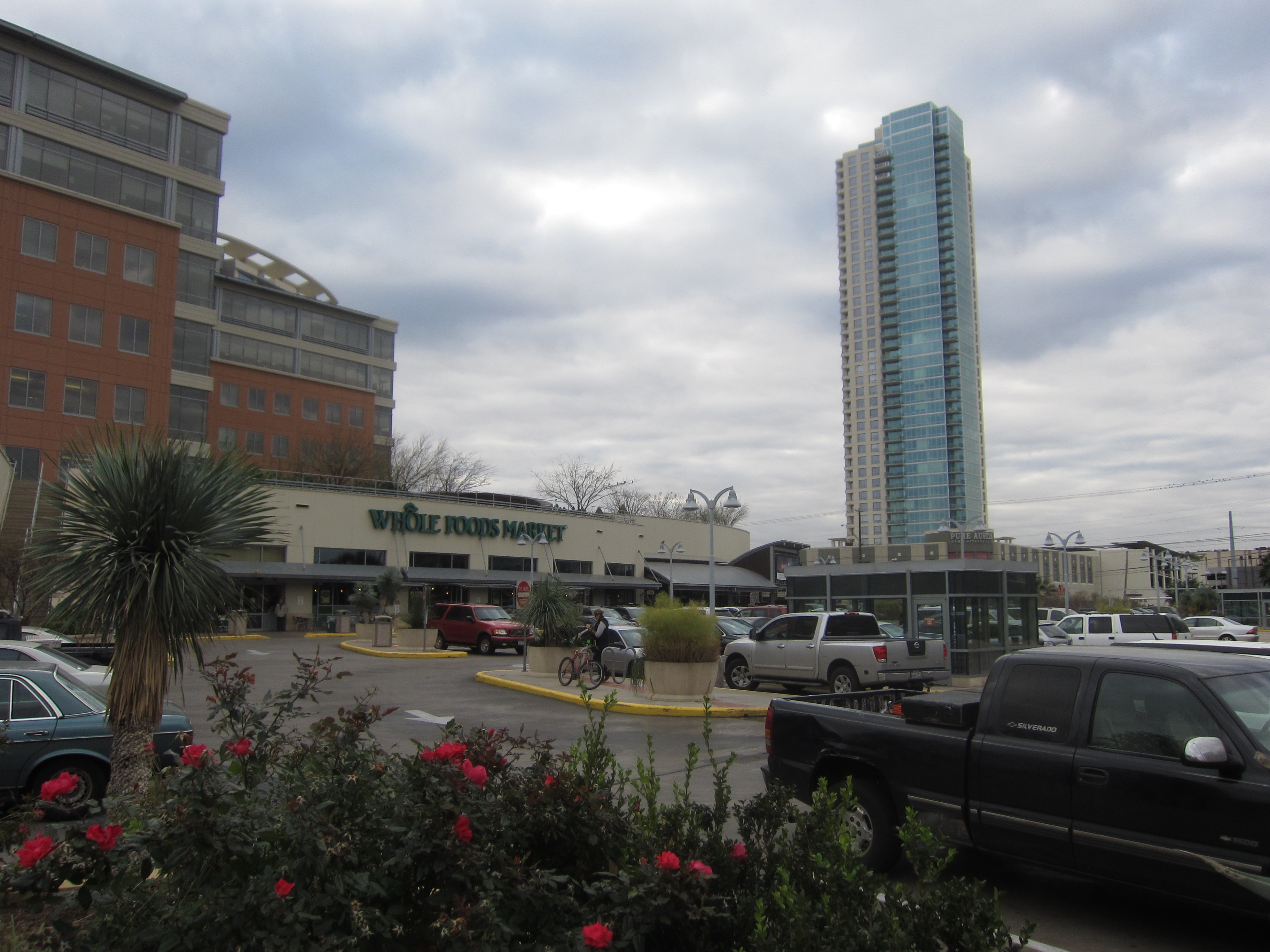
Seen below is the mecca to which most downtowns aspire: the full-service supermarket. In Austin, just a 5 minute walk from 2nd Street, it just happens to be the US flagship Whole Foods:

Most downtowns would kill for this

Immensely successful, this market is surrounded by new mixed-use development including restaurants, indie retailers, even a large West Elm store. None of the architecture at this spot is anything to write home about, but the use-mix and walkability are great.

Speaking of architecture, Austin’s brand-new W Hotel and Residences has just opened (it’s worth looking at the website to drool over penthouse floor plans) and it’s one of the better towers in the Warehouse District, designed by Texas firm BOKA Powell:
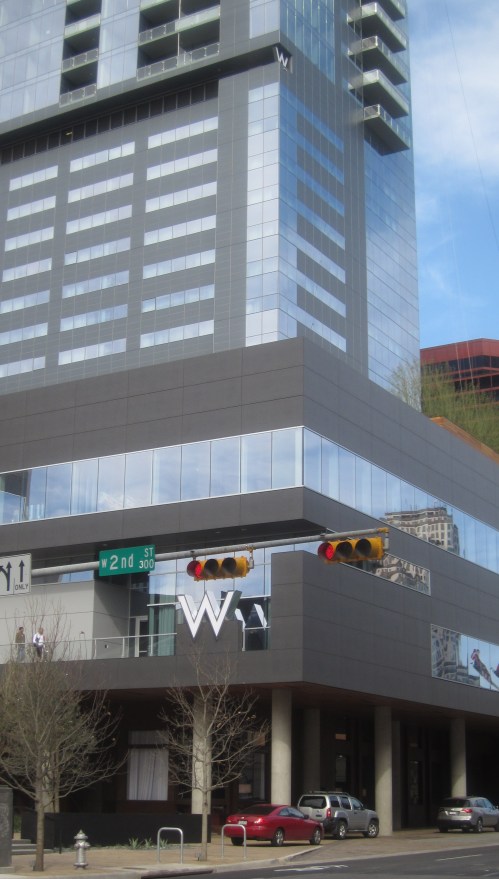
You know you've made it when the "W" flickers on

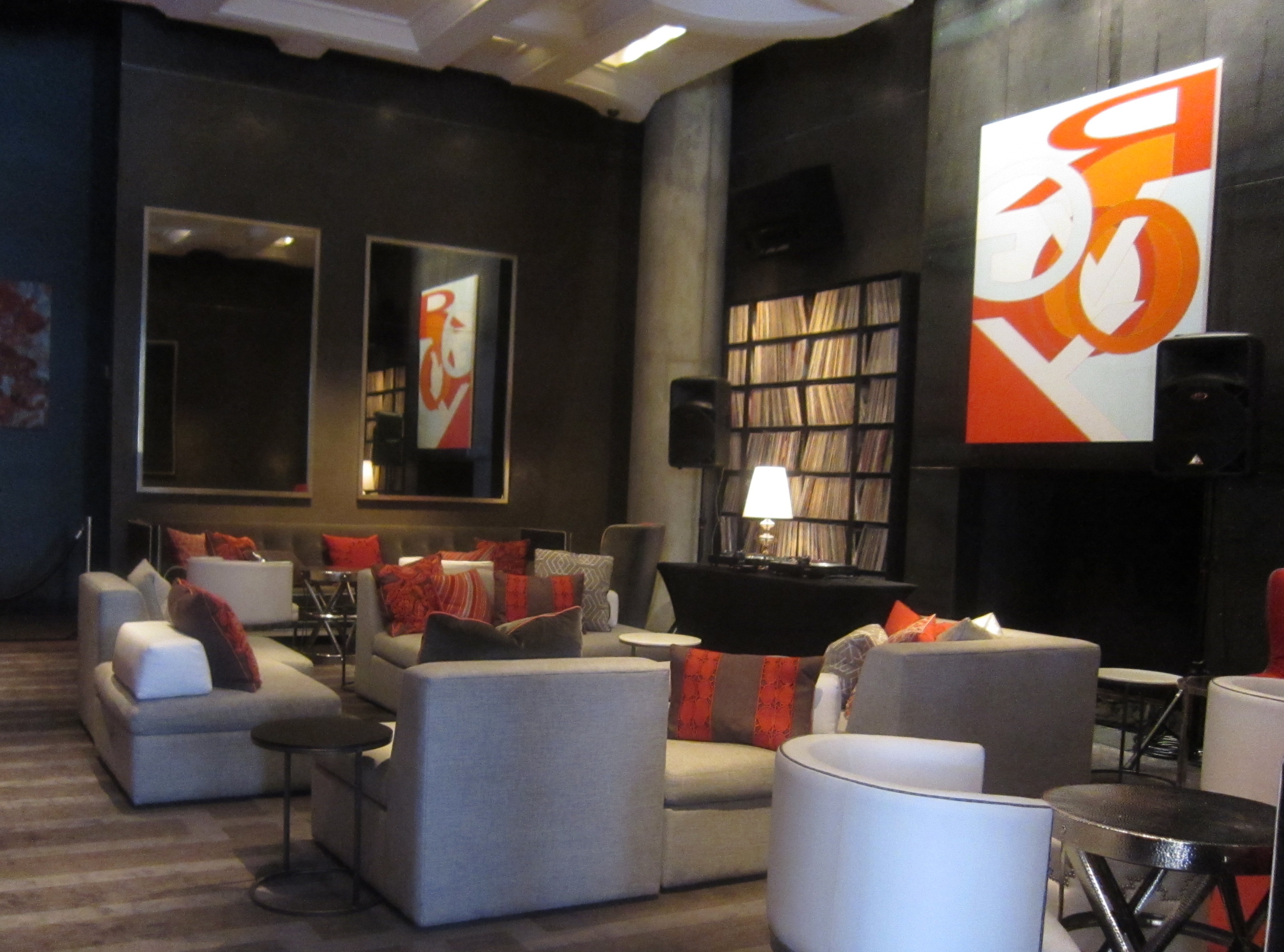
I appreciated the lobby lounges, with their combination of exposed concrete, gray tones and bold accent colors, and relaxed modern vibe:
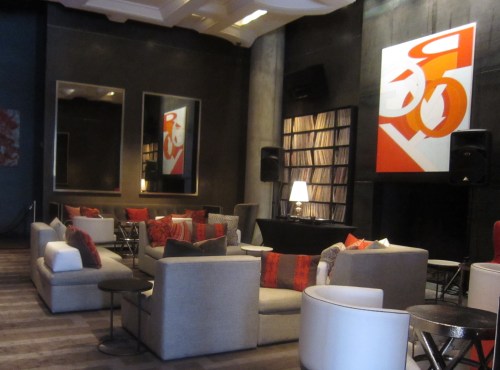
Austin grows up

Interestingly the W houses the popular music show Austin City Limits in a new concert and TV production facility. Which brings us to a common refrain from our friends we saw in Austin: what can be done to preserve “Austin” amidst all the new development, the W hotels, the huge amounts of new people pouring in yearly from other parts of the country? The Keep Austin Weird movement supports local independent businesses, including the music scene (there are over 1700 live music venues in Austin). Downtown certainly feels transitional right now–lots of cheaper indie stores and bars, and smaller scale historic architecture mixed in with the new condo towers, hip chains, and expensive boutiques. With all the explosive growth on track to continue, it will be fascinating to watch this city progress.

Again it seems like an inverse of our own situation: central Birmingham has a much larger historic building stock (including several “real” warehouse districts) but too little well-designed infill, too much mediocre rehab, and too few new people with new ideas moving into town. But we still have lots of “soul” and “urban grit” that promise potential. Austin has the opposite–less historic building stock, but  lots of infill, lots of new people, higher visual and graphic standards, and lots of new retail/restaurants/street activity. The potential is being realized, not hanging there elusively for the future. More on this in the next post.

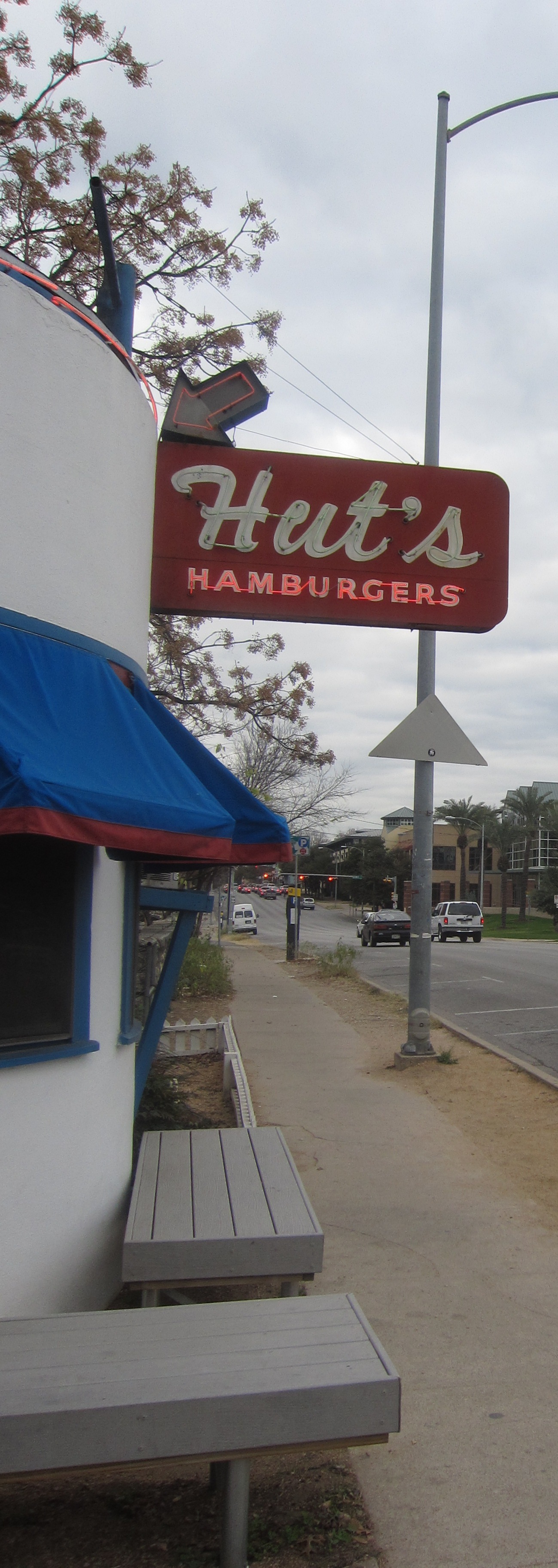
A slice of the old Austin



Sizing it up

What can we learn about Birmingham and its urban core after comparing it to Mobile’s, the third-largest city in the state (but second biggest metro, at about half the size of our 1.2 million)? On a recent trip I was able to get a quick glimpse of downtown Mobile, and observe some interesting things.

Pointing in the right direction

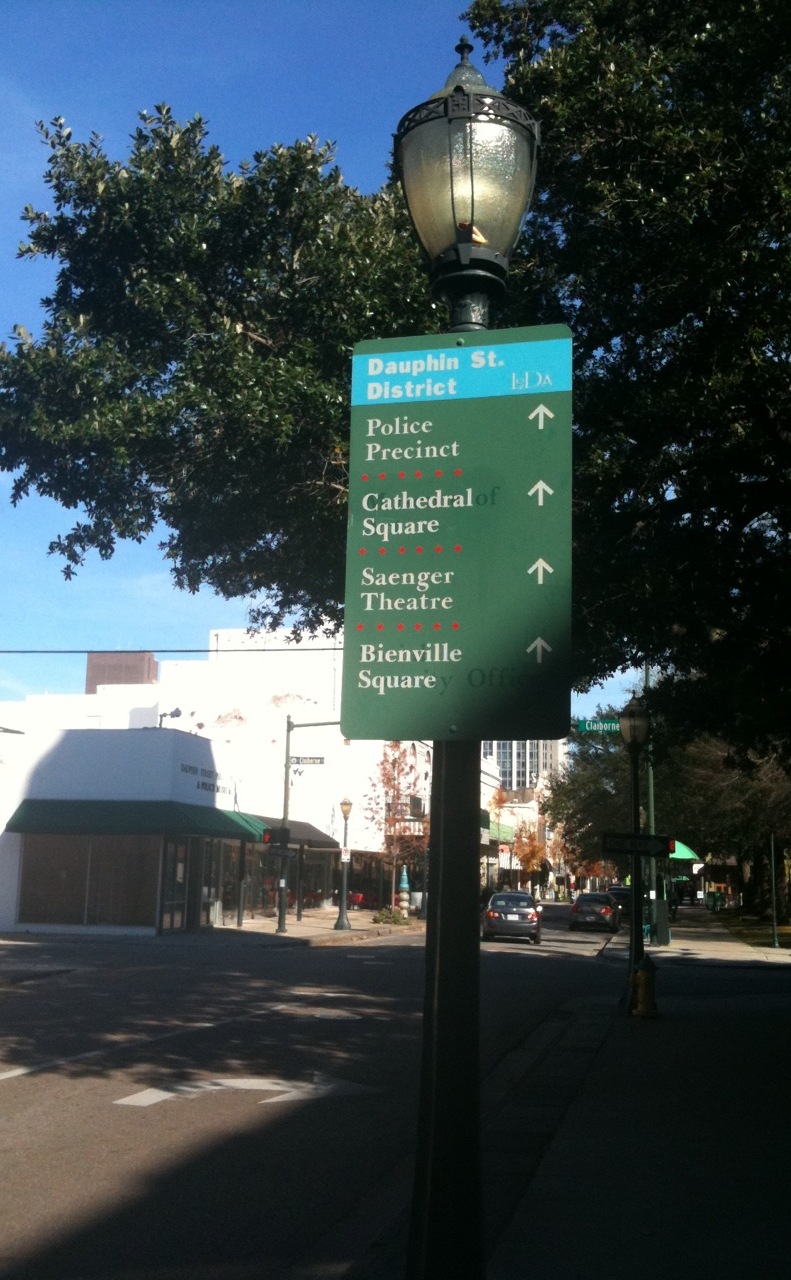
First, wayfinding. Central Birmingham has basically none–and we need it. Bad. For anyone visiting (whether from afar or just the ‘burbs), graphically clear signage which helps you navigate a city is essential. The above is an example of signage found throughout downtown Mobile–simple, to the point, and informative.

Good signage is good place-making

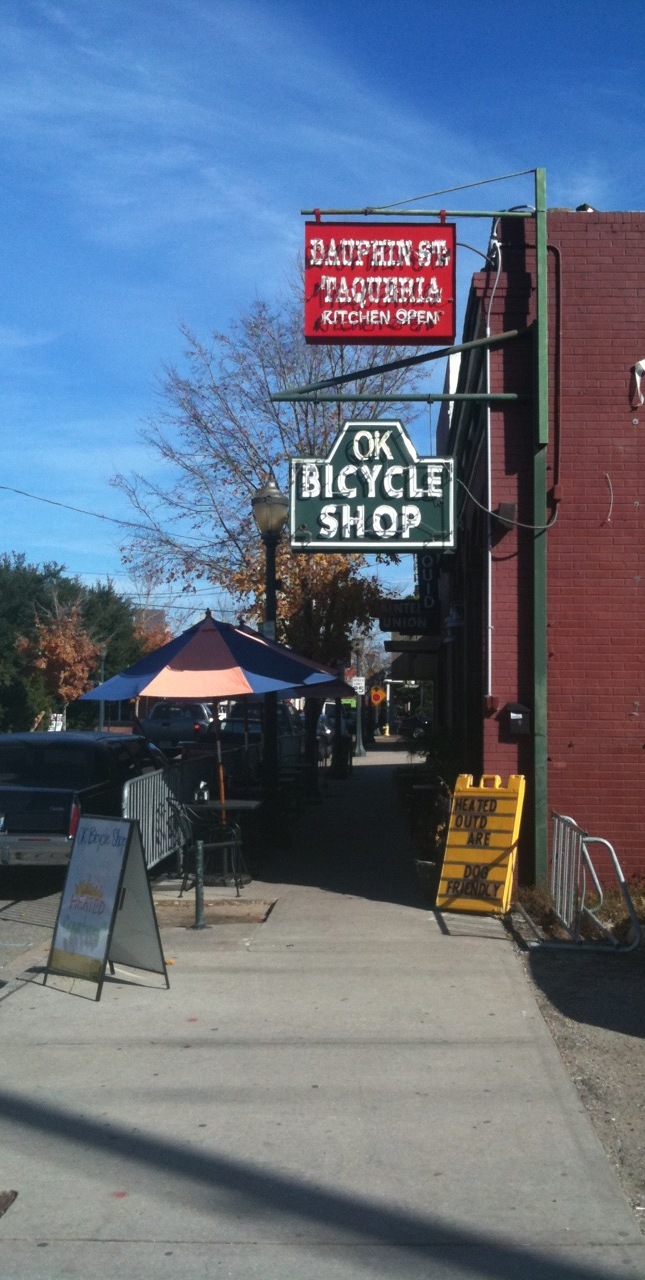
Second, good urban signage. Birmingham–thanks in part to enlightened members of the Design Review Committee, is more likely today to approve well-designed, projecting and/or illuminated signage for businesses in our urban areas. But the process can still feel like a struggle (one sign we designed for a project downtown took over 3 months to work its way through the City Legal Department after DRC approval). To the left you see some excellent signage at the hip Dauphin Street Taqueria ; in downtown Mobile, the city has a financial incentive to encourage owners to upgrade signage and illuminate it. Fantastic incentive, and the nice projecting signs across the core are a testimony to its success.

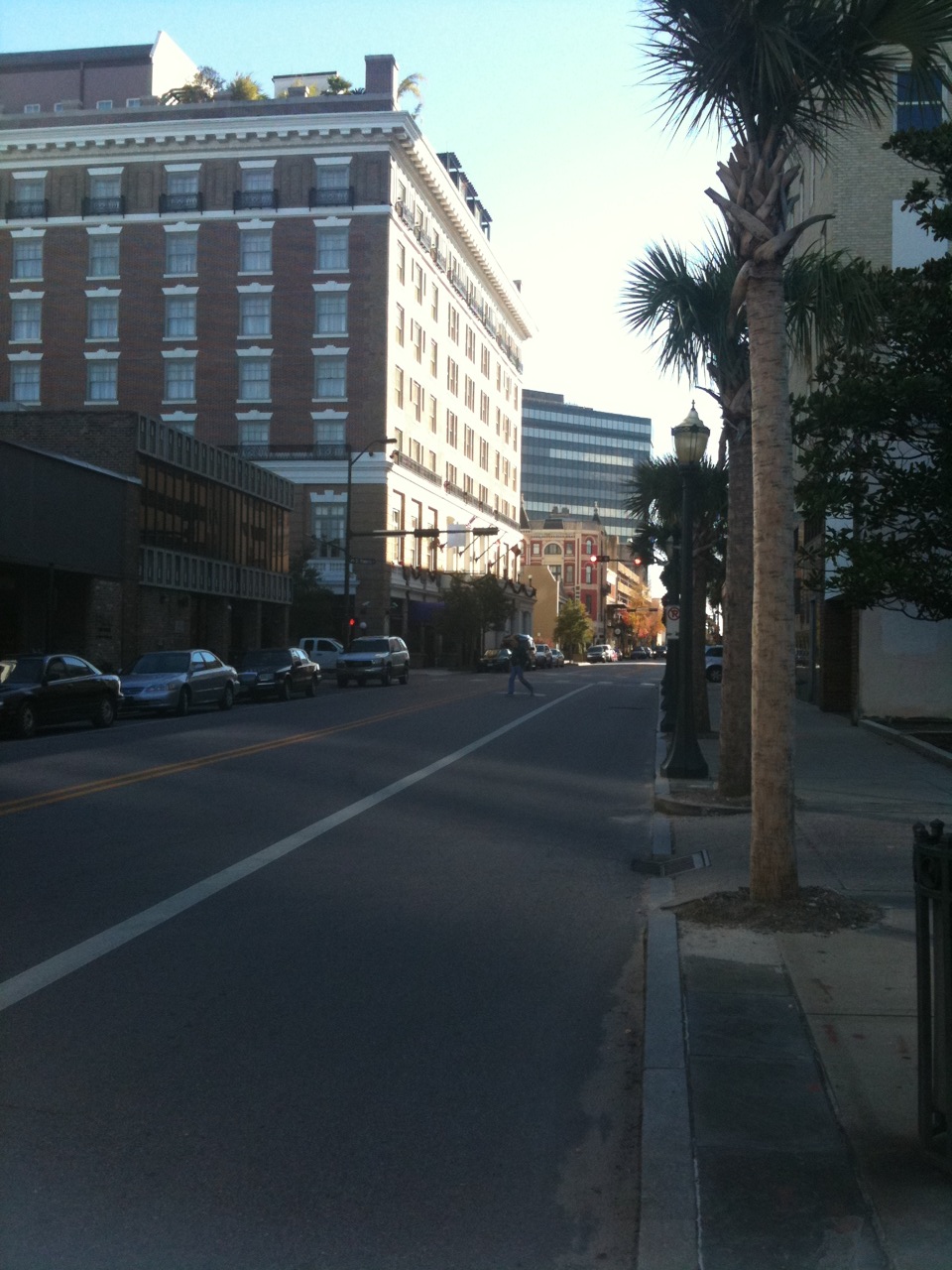
Third, Mobile’s older street grid means narrower dimensions–so instead of our wide avenues with 5 or 6 traffic, turn, and parking lanes–you get 4, or 3 total lanes which makes for a more pedestrian friendly environment (quicker to cross, and less traffic on the streets). Below is a shot looking towards the Battle House Hotel, Mobile’s smaller version of our old Tutwiler Hotel, demolished in the 1970s for the First Alabama Bank Building. In Mobile–where development pressure downtown was so slight, it makes Birmingham look like an Atlanta–the hotel was just quietly boarded up and remained vacant until the Retirement Systems of Alabama incorporated it into its huge RSA Tower complex completed a few years ago. Because of the RSA’s muscle, downtown Mobile now has 2 4-star Renaissance hotel properties–while Birmingham has no 4 -star properties anywhere close to downtown (though a Westin is planned to break ground shortly).
Narrow streets, restored hotel

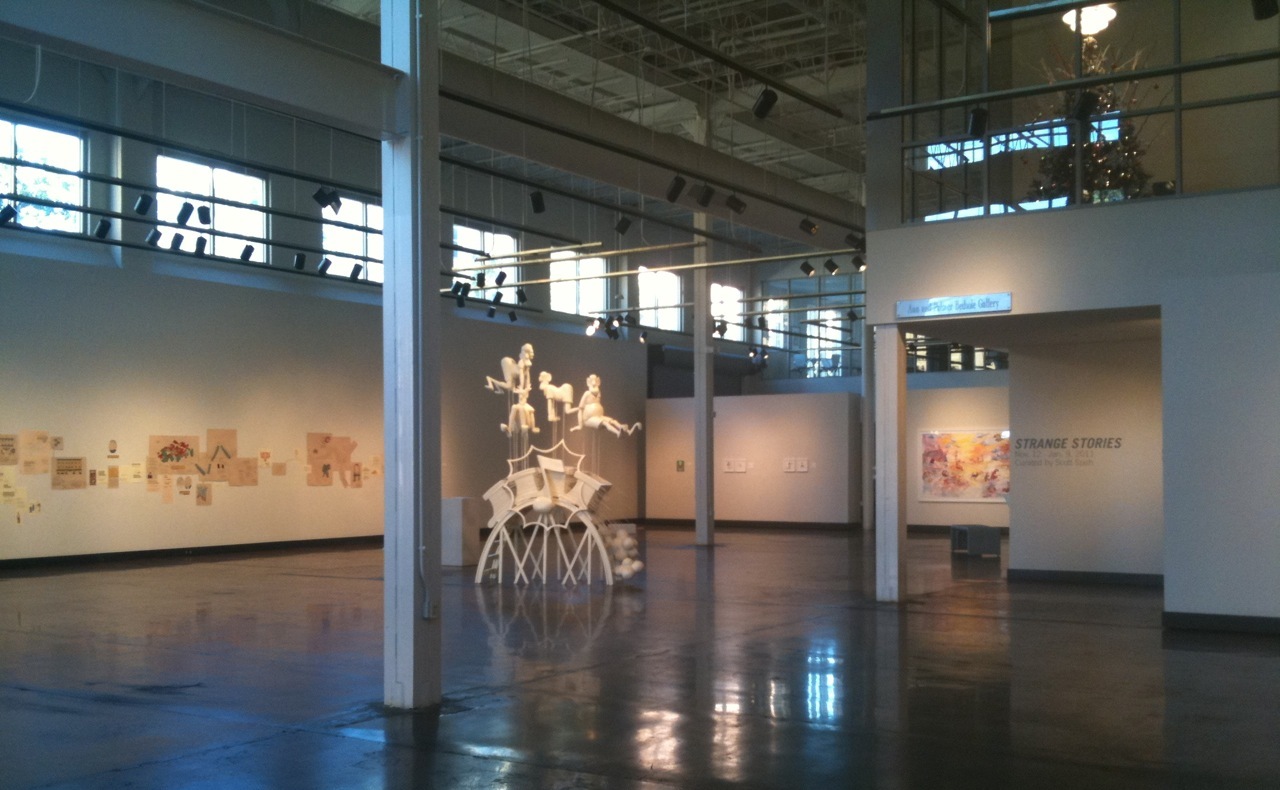
Fourth–of interest to those saddened by the demolition of the old Birmingham News building for the creation of….a surface parking lot: in Mobile the local Press-Register donated their old facility to a non-profit called Center for the Living Arts which promotes the arts throughout downtown Mobile. An 8000 SF center for contemporary art is part of the new reuse of this building, seen below:

A better use than surface parking

Yes, we’re thrilled the News built a new facility downtown. It’s just a shame that instead of visualizing a new use for an outdated building like they did in Mobile, they tore it down for a few parking spaces instead. A very, very 1969 solution to a problem.

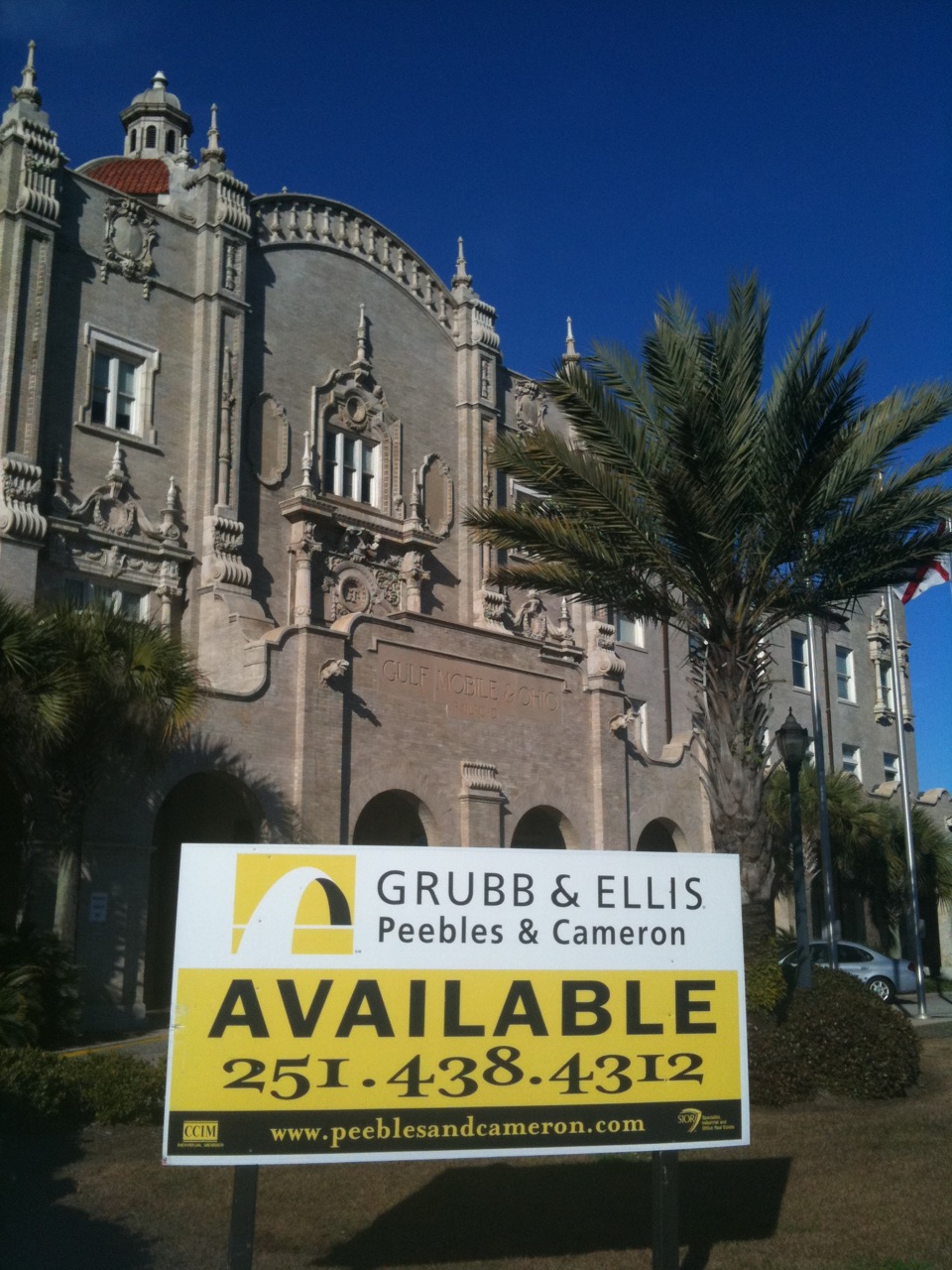
Which brings us to the train station. In 1969 we tore ours down. Mobile’s still stands, although mostly vacant (they lost their passenger service long ago), and at a disadvantaged location down Water Street (it was a hardy 20-minute walk down a warehouse and gas-station-laden 6-lane highway from the Battle House). If Water Street could be re-envisioned as a pedestrian-friendly boulevard, with mixed-use and a waterfront promenade–then the old station could be a wonderful terminus again.

Any takers?

Mobile’s core is much smaller than Birmingham’s by any measure–fewer office workers, fewer residents, fewer buildings–and the scale is very different. It feels more like a small city than, well, a medium-sized one. This smaller scale is one factor that can make redevelopment easier. Lower Dauphin Street is lined with bars and restaurants and even some retail shops–but all the buildings are mainly one or two stories. Big, complicated, and expensive redevelopments are not necessary on this scale.

However, some basics of adaptive reuse, signage, even public postings of imminent Design Review hearings are all instructive as we work to create a better Birmingham. It’s clear that Mobile has made some real efforts to reinvigorate their center. And, the City is considering adopting SmartCode for their downtown, similar to Montgomery, to help propel development in the right direction. This is something we’d love to see here too.

When in Mobile...

On a last note, I couldn’t help notice that city parking meters downtown allow 15 minutes per quarter–rather than the 60 minutes per quarter in Birmingham. And we have a much, much more congested downtown than Mobile. I believe Birmingham ranks as one of the largest cities with the cheapest on-street parking. This puts more cars on the street, circling for those cheap spaces–rather than considering decks, or walking, or transit. We’ve got to get used to paying more at the meter here.

Next post–Austin, TX! Happy New Year everybody. Here’s to a great 2011 in the ‘ham.

Holiday Gifting 2010 *2*

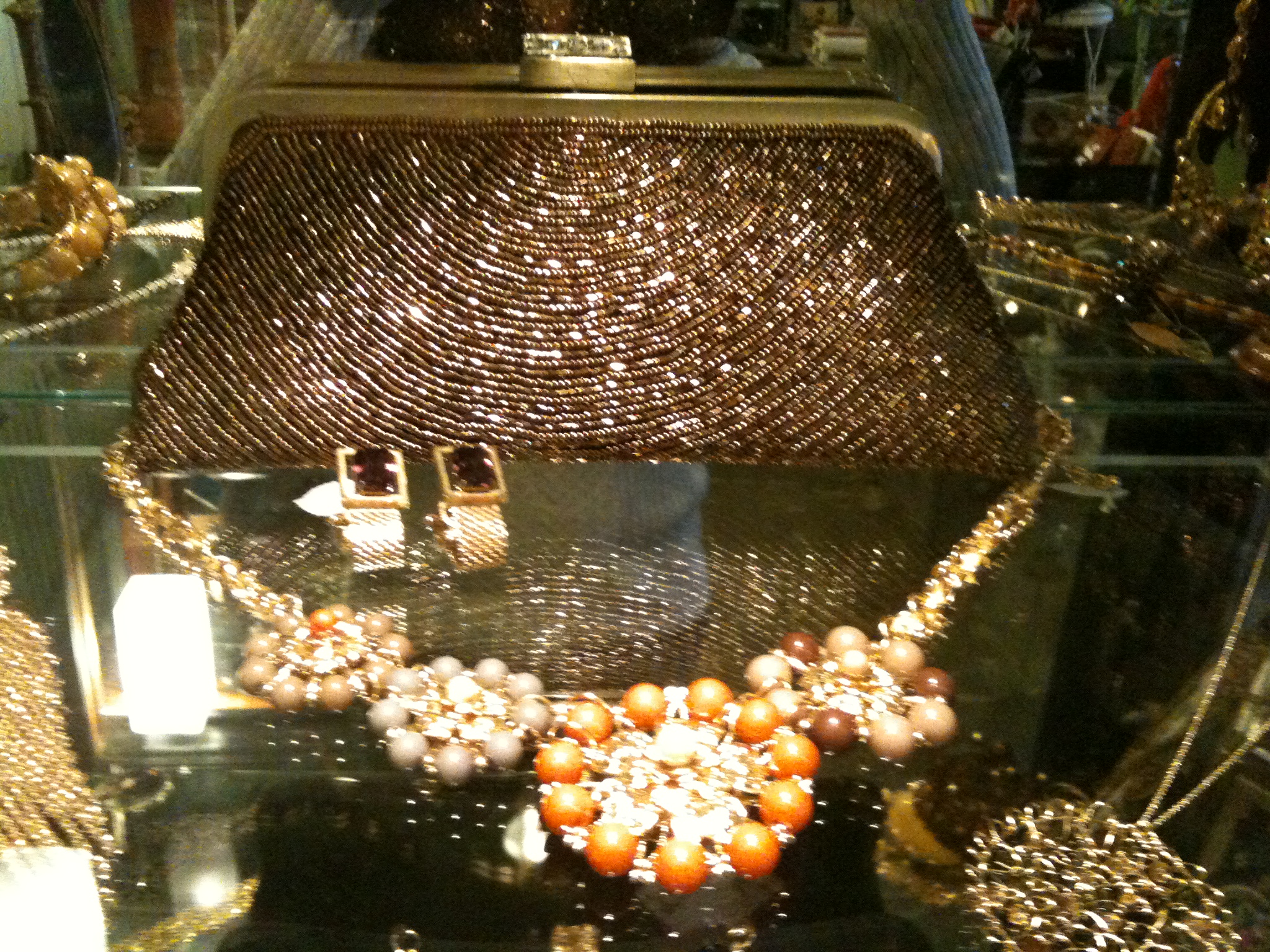
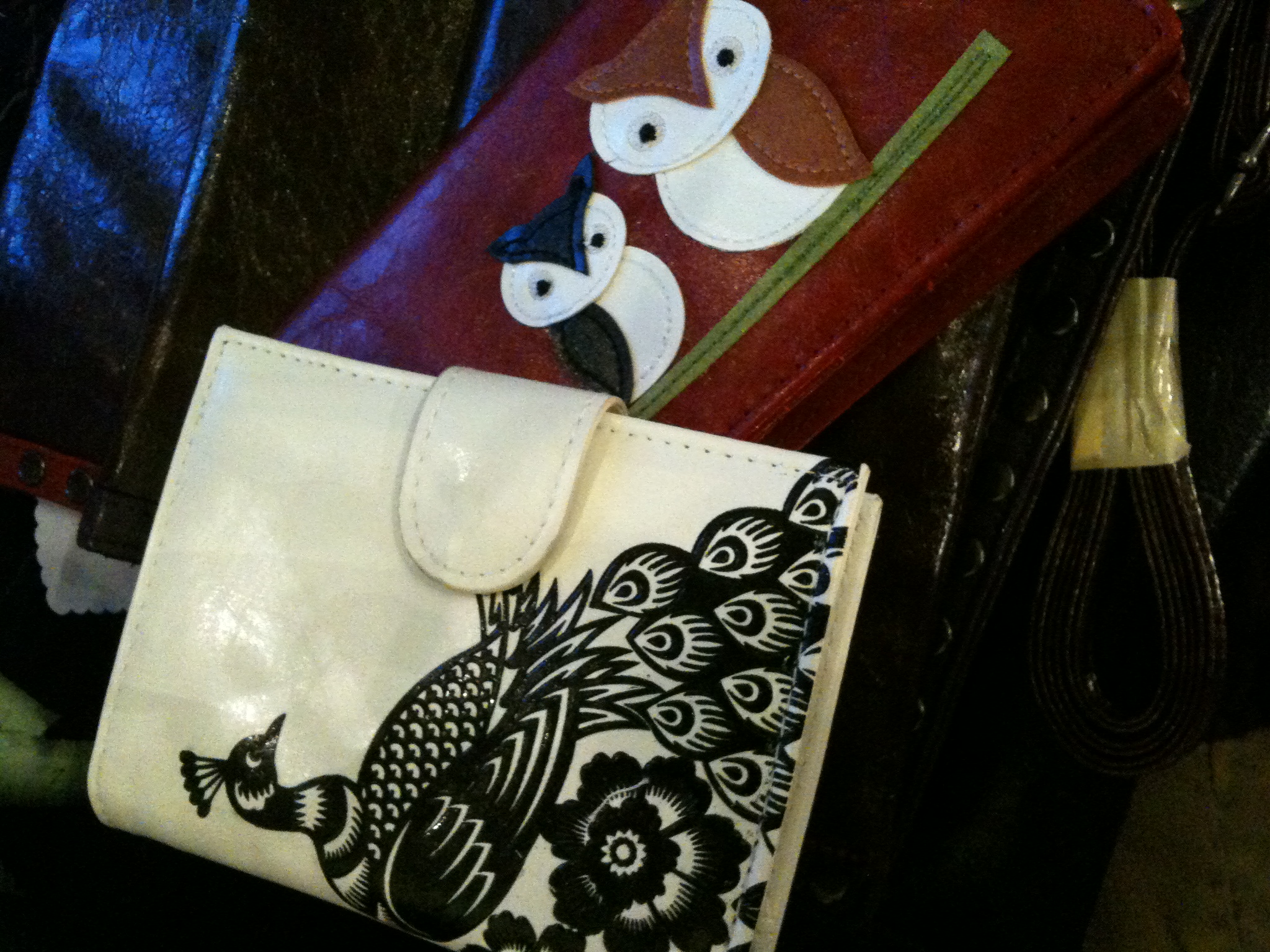
Second in our quick series of where to find great gifts at local, indie shops: Charm! A one-of-a-kind retailer across the street from us here on 2nd Avenue North between 23rd and 24th, Charm has an eclectic, hip, and reasonable selection you can’t really find anywhere else in town.

From jewelry like that pictured above;

To cool scarves;

To more awesome jewelry;

To purses!;

To fun wallets with nifty animals on them;

to more jewelry–and much much more. This type of retail shop gives character and vitality to our downtown–please support them!

Five Points Reviving

Saved

Great news from Design Review Committee this morning: the historic Daniel-Hassinger mansion at 2028 Highland Avenue South, one of the few surviving original houses in Five Points South, will become a new bed-and-breakfast, the Daniel-Hassinger Bed and Breakfast. The owners, Sheila and Ira Chaffin, who also recently renovated another nearby historic house into a similar facility (Cobb Lane Bed and Breakfast), plan to open May 2011. It will have 10 guest bedrooms.

Birmingham has long had too few (if any)  historic B&B’s, despite the wealth of historic housing stock here. Kudos to the new owners for not only bringing 2 of these to Five Points, but for rescuing this elegant, deteriorated mansion whose condition we worried about in a recent post.

Projects like this serve as hope that, despite its challenges, Five Points South can still attract entrepreneurs and great new businesses. Needless to say, the Design Review Committee was practically cheering when the unanimous vote was cast. There’s more to report from this morning, but this was the biggie.

[thanks once again to dystopos for the pic]

Felice anno nuovo, y’all

Buenisimo

No plans yet for New Year’s Eve? How about a 4-course wine dinner at Trattoria Centrale downtown? The rumor we heard about the menu is that it will include gnocchi, lobster, veal, and some Prosecco–we know it will be delicious.

Call up Geoff or Brian to make a rez at 202-5612. And no, although I try to eat here at least once a week, this is not a paid advertisement. I just love this place, and the contribution they’ve made to the city center!

[photo from lunch about one hour ago]


Holiday Gifting 2010 *1*

‘Tis the season (sorry we already missed Hanukkah) but when thinking about gifts this year,  think about our great local independent stores.  Here is the first in a series of ideas from our own local businesses…

May your holiday be bright!


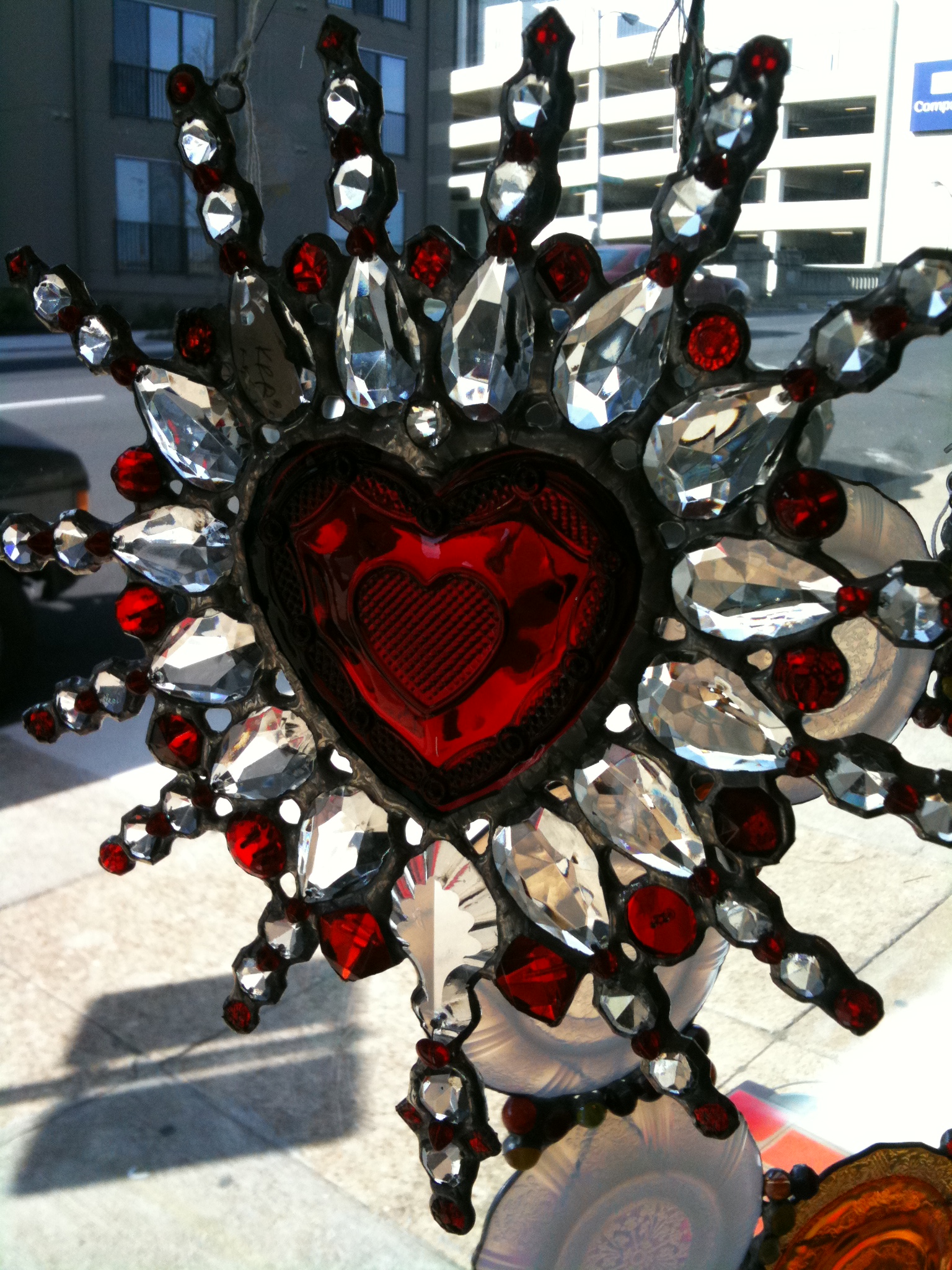
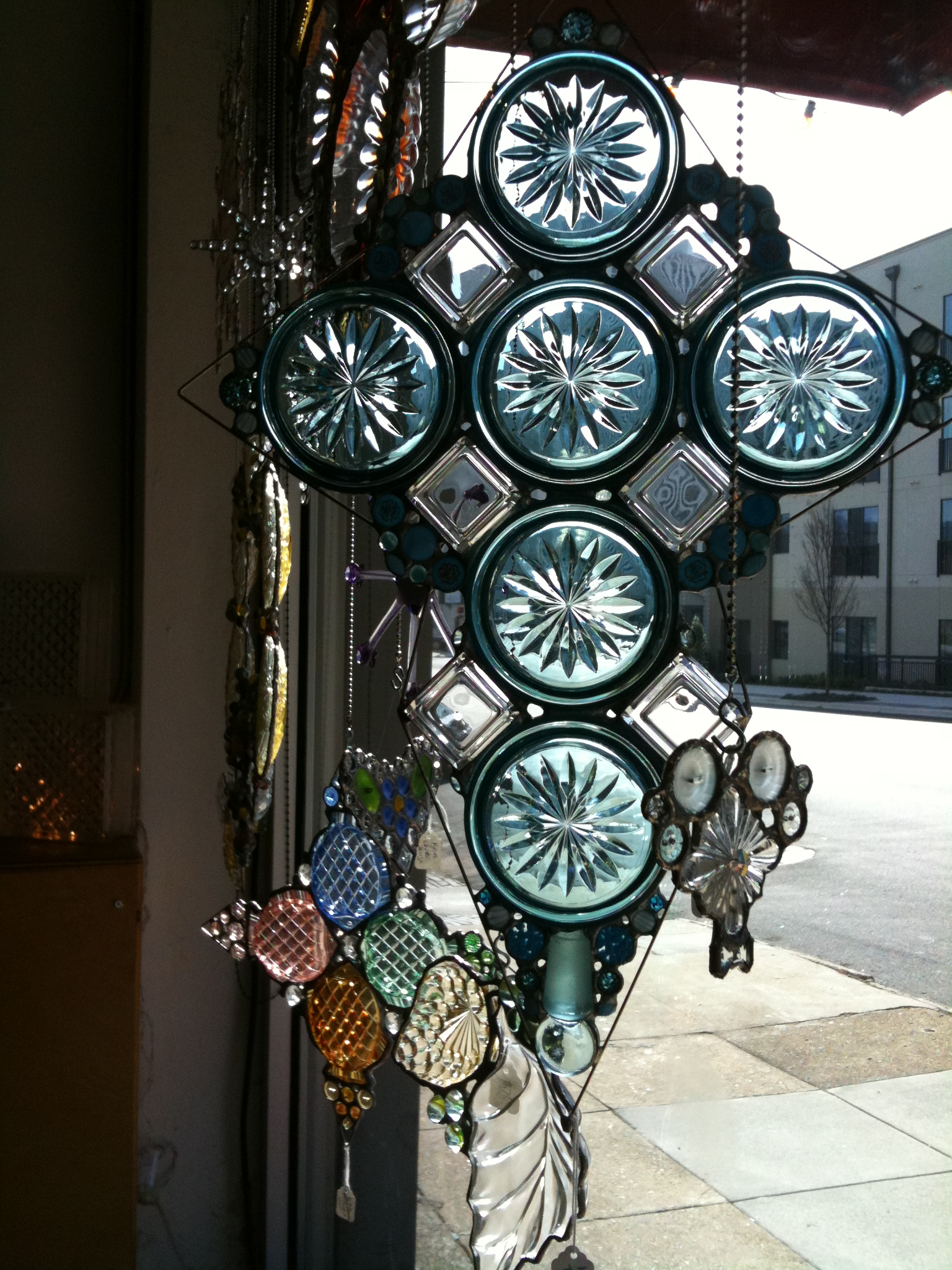
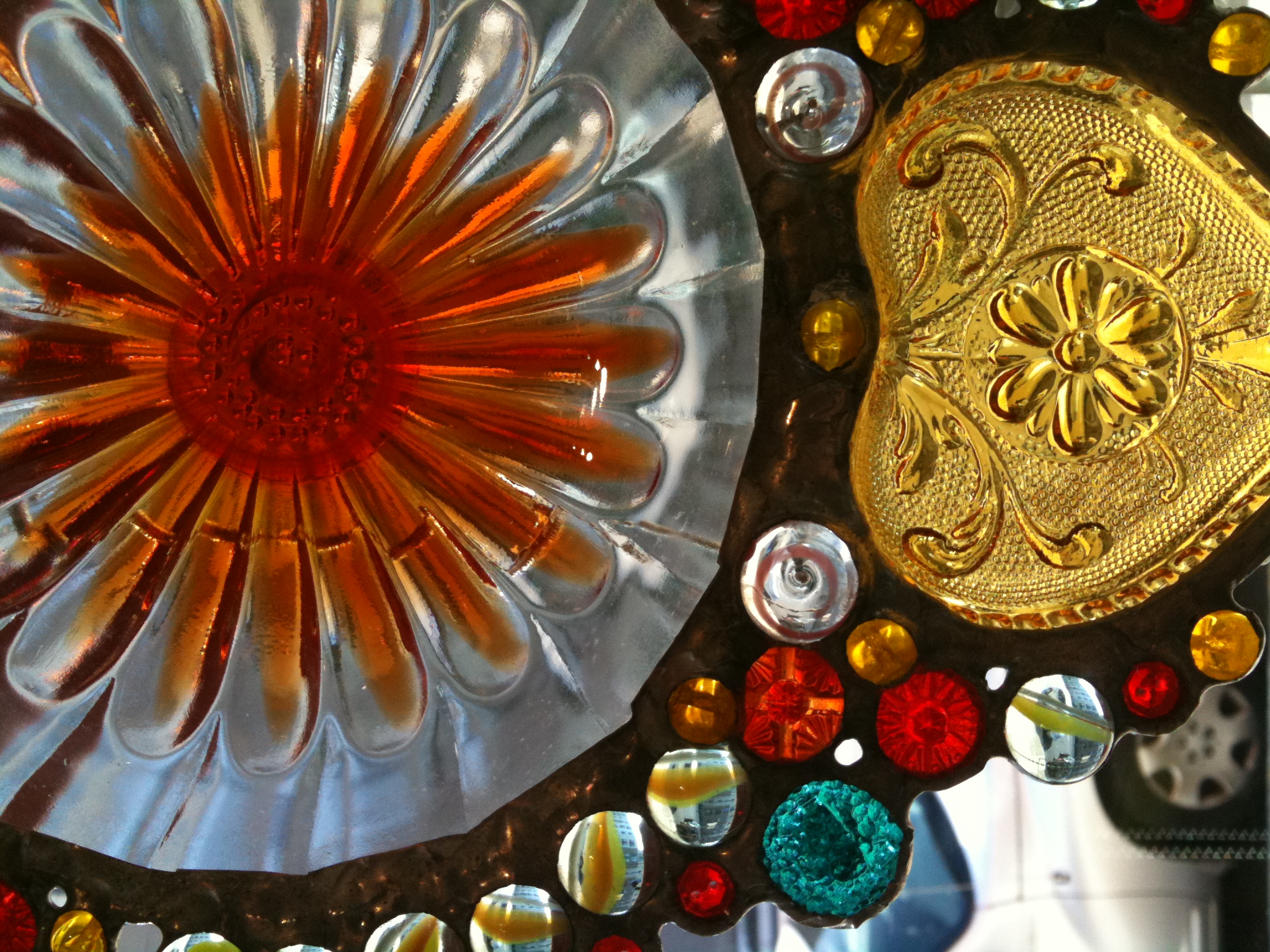
Made by local artist Kathy Rose-Byington and available at Bare Hands Gallery, each meticulously created piece would bring a bit of bling to your windows this season. Bare Hands is unfortunately closing after this holiday season.

It is that time of year when we need to find something special for everyone — and what better way to do that than to pick one of these fantasitcly sparkly and unique collages made with vintage glass.


Can’t decide what to get for your mother, great aunt, sister in law, snow bound cousin in wisconsin?   I bet she doesn’t have one of these…

Supporting locally owned businesses basically keeps 50% more of your dollars in town, as opposed to supporting national chains.  Of course 0% of your dollars stay in town if you order off the internet. Check out the 3/50 project for more information. Happy Holidays!

Demise of the corner drugstore

Not anymore at a corner near you

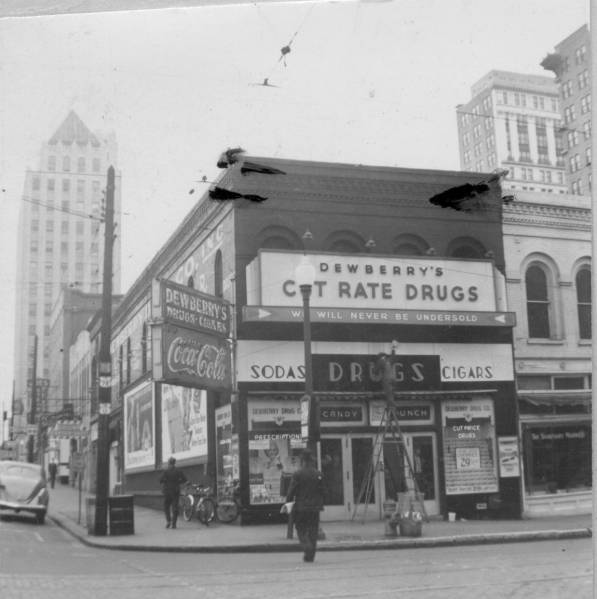
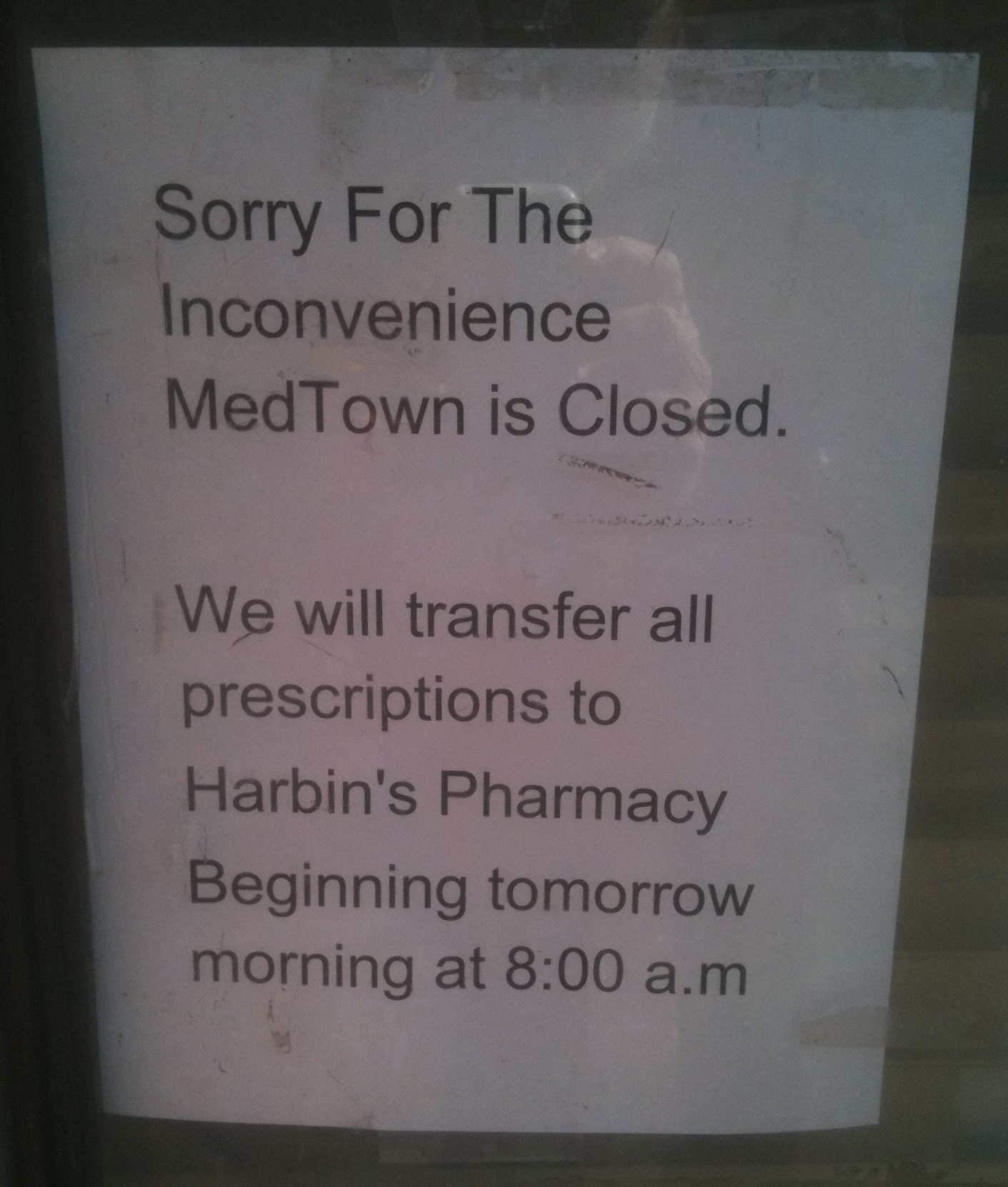
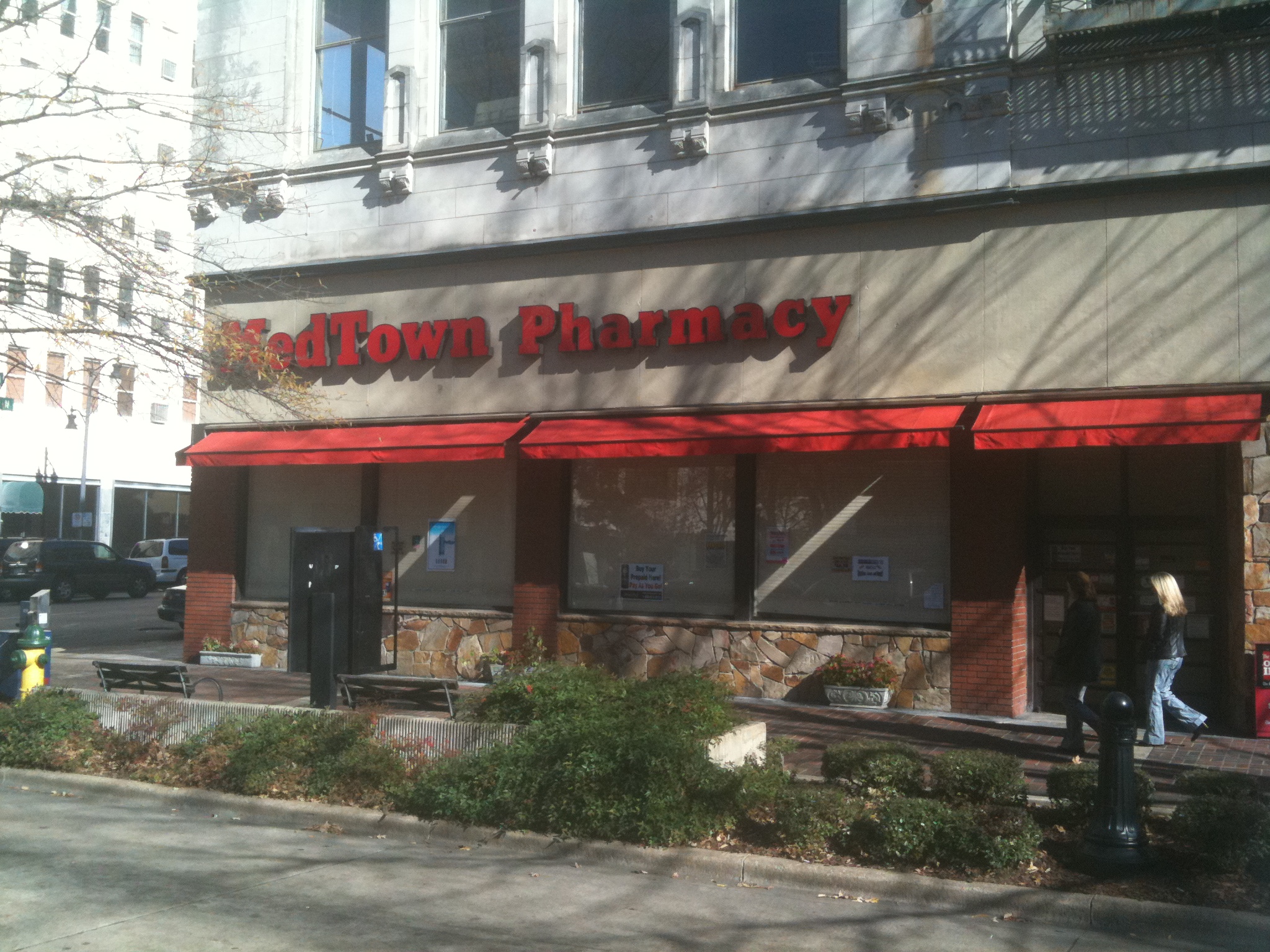
Chalk it up to the ubiquity of national chains such as Walgreen’s and CVS; to the low prices and convenience of in-store pharmacies at Walmart or Publix; to the poor economy; or to causes less obvious and more mysterious. Whatever the cause, or combination of causes, MedTown Pharmacy closed its doors this week. As the sole surviving full-service drugstore on the northside of downtown (within the 200 block of 20th Street North), this comes as a blow to not only the daytime business population in the CBD, but to the many downtown residents (including this author) who chose MedTown as their drugstore of choice. MedTown joins the ranks of other downtown drugstores (such as Dewberry’s, at the corner of 2nd Avenue North and Richard Arrington Blvd., pictured above in 1939) which have closed over the last couple decades. As recently as 1998, there were still 4 independent drugstores operating within a few blocks of MedTown (itself formerly a Big B Drugstore). Now there are none.

Another blow for 20th Street

The closing of MedTown is sadly in sync with the generally haggard feeling of Birmingham’s “Main Street”. Despite some bright spots–Trattoria Centrale, Brick & Tin, Cafe Dupont, the private residence designed by Appleseed Workshop–recent years have seen the shuttering of the old First Alabama Bank building (and the failure of the proposed Marriott Renaissance Hotel there); the departure of SouthTrust/Wachovia from their 2nd Avenue Branch, leaving an entire half-block of empty buildings; thwarted redevelopments of both the Empire and Brown-Marx buildings; and of course the very, very tired and dated “Birmingham Green” of 1970’s era plantings, concrete benches, and low concrete walls that’s in desperate need of renovation.

Sign of the times?

It seems emblematic of Birmingham, in a way, that our “Main Street”, symbolic center of town, has been allowed to become so frayed. Other areas of downtown are brimming with promise and interest–but the energy dissipates where it instead should be united in full force on 20th. An encouraging sign: I heard members of the Mayor’s staff and the Horticulture department walked 20th Street last week discussing how to overhaul the landscaping to bring it in line with more modern, sophisticated efforts such as Railroad Park and the proposed streetscapes around the Pizitz project. And just seeing the crowds spill out of Trattoria for lunch, dinner, or brunch–no matter how desolate the immediate surroundings–also gives hope. Hope that other entrepreneurs will take initiative to renovate buildings and bring new businesses; hope that the Mayor will continue to search for ways to improve the City; hope that other nearby developments will exert pressure on 20th Street to revive.

Of course, some of us also hope that a drugstore will open up in the neighborhood again, and soon.