Progress, with caveats

Very, very conceptual still

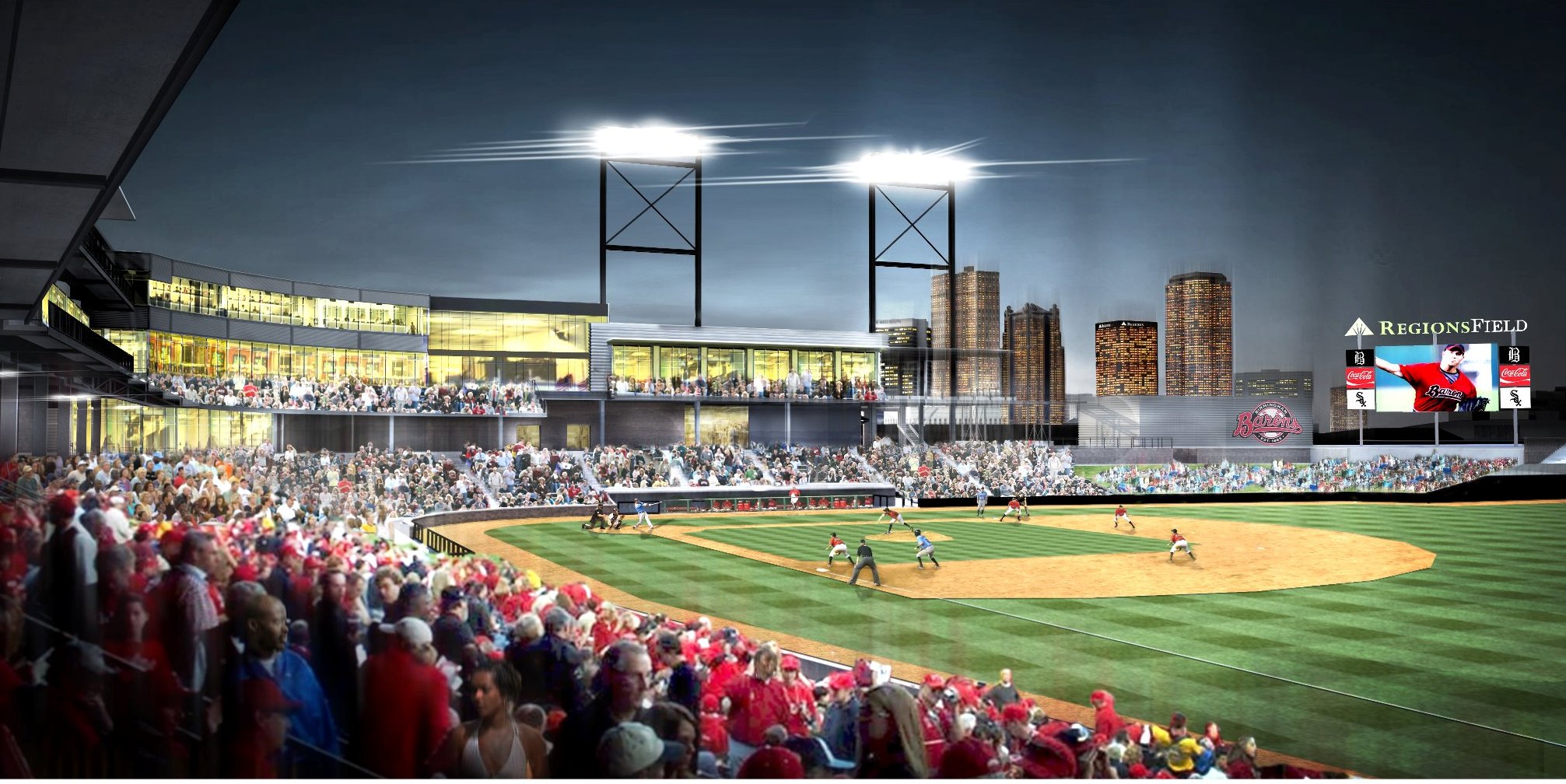
At this morning’s Design Review Committee, perhaps the biggest news was what didn’t happen–a representative of the new Regions Field project appeared, but did not present any elevations or other design details of the new structure. Instead, he requested the Committee approve the remainder of demolition work necessary to prepare the four-square block area directly south of Railroad Park. After hearing that the two renderings shown at last week’s groundbreaking (above, and the other shown in previous post) were simply conceptual suggestions, done merely for the sake of the ceremony, the Committee approved the remainder of the demolition required. At the same time, the Committee asked developers to return as soon as possible with schematic design of the project. That could happen within a few weeks–stay tuned.

Better, but...

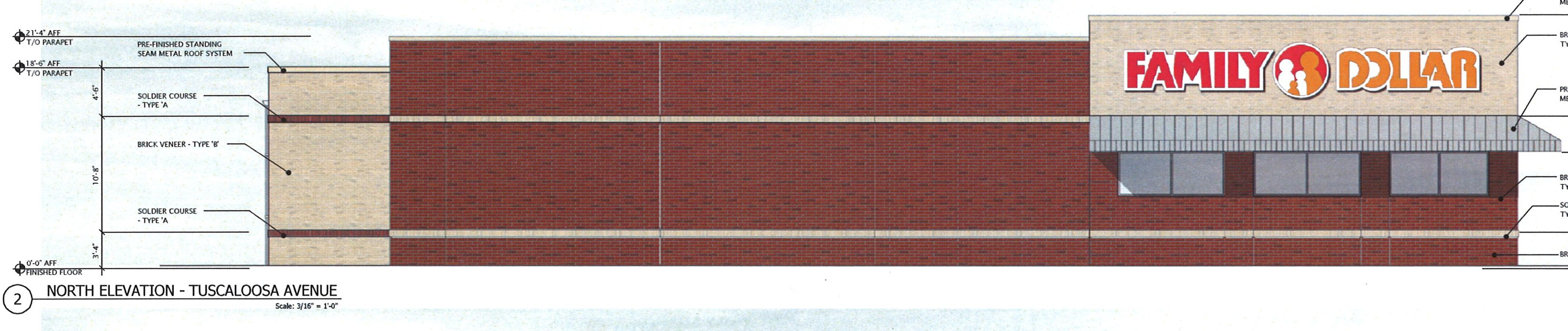
Also approved was a revised design for the proposed Family Dollar store in West End at the corner of Tuscaloosa Avenue, SW and 13th Street (site plan above). Since we last discussed this in January, the developer has moved the building to the corner, and pushed the parking to the rear of the site. Good. However, it is disappointing to see two massive curb cuts occuring at either street, when ironically a service alley exists already behind the store. It was equally disappointing to see the entrance will be on the side, accessed from the parking lot–and not on the street frontage.  This helps contribute to a dead elevation along Tuscaloosa which is almost completely mute in its blankness:

Not exactly an engaging composition

It’s wonderful that this neighborhood, so bereft of retail options, is getting a major investment. It’s a shame the design couldn’t have been pushed further to incorporate a few more basic urban design principles.

And Lakeview gets another option

Finally, FIVE restaurant was granted approval for facade and signage improvements at the historic building on 29th Street between 7th Avenue South and University Blvd in the Lakeview district. The former Golden Rule Bar-B-Q is getting a new row of French doors (under construction, above), among other improvements. Yet another sign of this neighborhood continuing to draw investment and energy–we wish them well and can’t wait to see the menu.

[Thanks to HKS and City of Birmingham for the Regions Field rendering; Boos Development Group for the Family Dollar drawings; and the FIVE team for the pic]

Cars and people

Heavy emphasis on walking. Not so much on driving

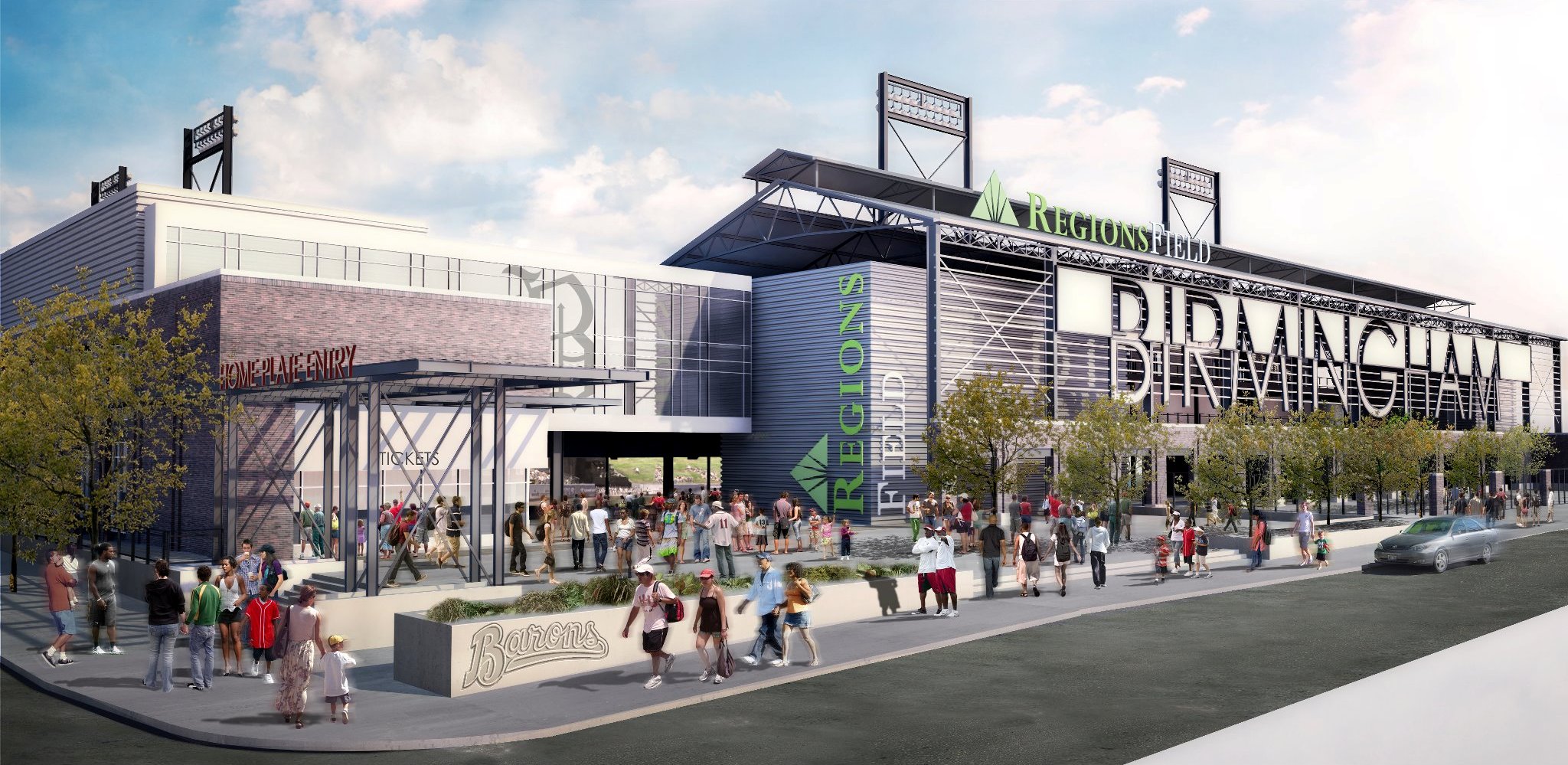
As we await a review of detailed site and design documents for the newly named Regions Field (thus far no presentation has made it to the agenda of the Design Review Committee), it’s worth considering transportation access to this new venue.  In the rendering released at last week’s groundbreaking (above), we see the corner of First Avenue South and 14th Street (the super-graphic faces 14th). Whether by design or not, the rendering is filled with lots of people, but only one car. No bikes or public transit are visible either. One of the first questions, as a matter of course with large, destination sports or entertainment venues is: where do people park?

It's all about providing a connected environment

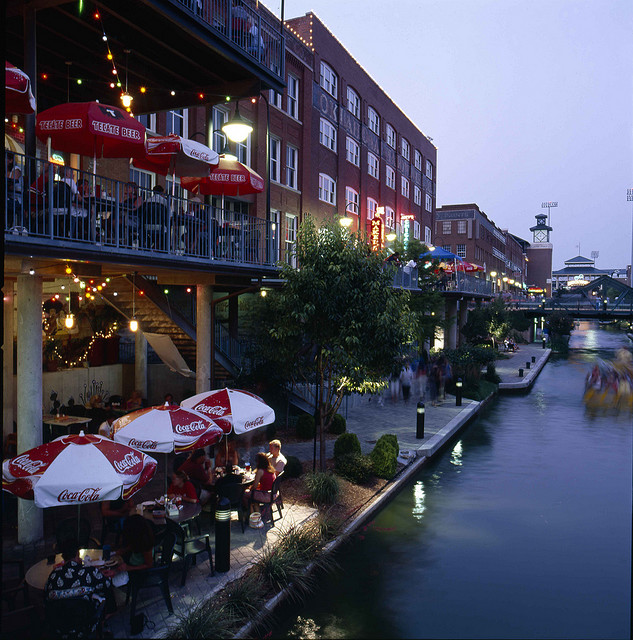
Part of the answer is seen above, in a shot of the Bricktown entertainment district around the AT&T Bricktown Ballpark in downtown Oklahoma City. This former warehouse district has been revitalized into a restaurant and entertainment center around the ball park (note the great reuse of existing historic warehouse structures). There are multiple small lots, and some structured parking, scattered throughout the district; the idea is not to park everyone coming to a game in one attached deck, but rather for fans to find multiple locations to park and enjoy dinner and a stroll before the game. People don’t mind walking a couple blocks as long as the walk is engaging, with lots of pleasant distractions and “window shopping” to be done. This appears to be the strategy at Regions Field, where it’s been determined that within a certain walkable radius of the facility, there’s more than enough on-street and existing parking facilities to handle the fans.

Lots of options across a well-planned district

The map above illustrates the scattered parking plan for the Bricktown district. Needless to say, the plan would be much less attractive if the streets weren’t lined with active, inviting businesses and diversions. Interestingly, the canal you see in blue weaving through the district was built from scratch in 1998 as a tourist attraction to complement the district; the water taxi service along this canal has become quite popular.

It took some vision

This is not to say that water taxis are in the cards for our new Parkside district. But it’s encouraging that the development is going with a scattered parking strategy: this should promote foot traffic throughout the area, spurring additional private development. Now, let’s just get those sidewalks paved around Railroad Park, and some more bike lanes marked, and we’re starting to make this area a model for how cities (and zoning departments) can think outside the dated, 1950’s paradigm of “every facility has to have its own parking”. We can scatter it, share it, and encourage other modes of transit instead.

These boots were made for...

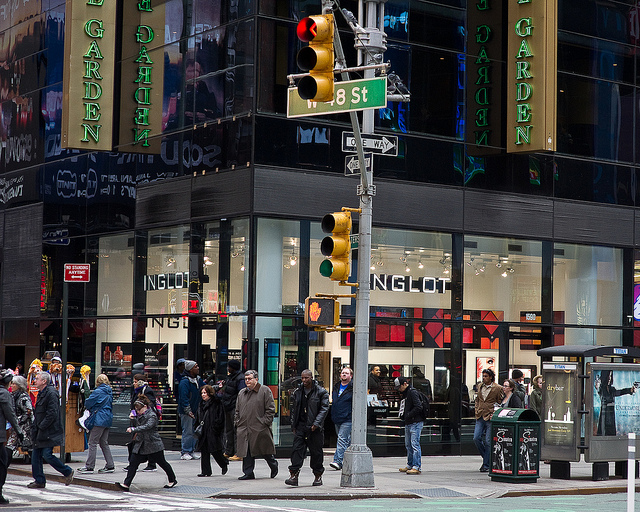
Which brings us to a final note on that oddball city, New York, where zoning laws have been changed for some time to deliberately discourage developers from building on-site parking at their projects. In a fascinating recent article from the New York Times, we learn that in the last 30 years the number of off-street parking spaces in Manhattan has fallen by 20% (and this in a city borough which has gained about 100,000 in population over the same period). Part of the outcome? Well, besides increasingly expensive rents for off-street parking spaces (which routinely fetch over $1000/month), transit ridership is way up, bike lanes have been constructed everywhere–and, of course, people continue to do a lot of walking (midtown intersection, above). New York had the right idea changing its zoning laws. We need to consider the same thing here, in certain areas where it makes sense. This can only enhance the density and diversity of our urban environment. So get those boots on and get ready to walk through Parkside to all the new urban attractions that will soon await us.

[thanks to alanoftulsa for the Bricktown overview pic; babselder for the canal pic; flickr4jazz for the Manhattan pic]

Must read

The everyday ballet of the street

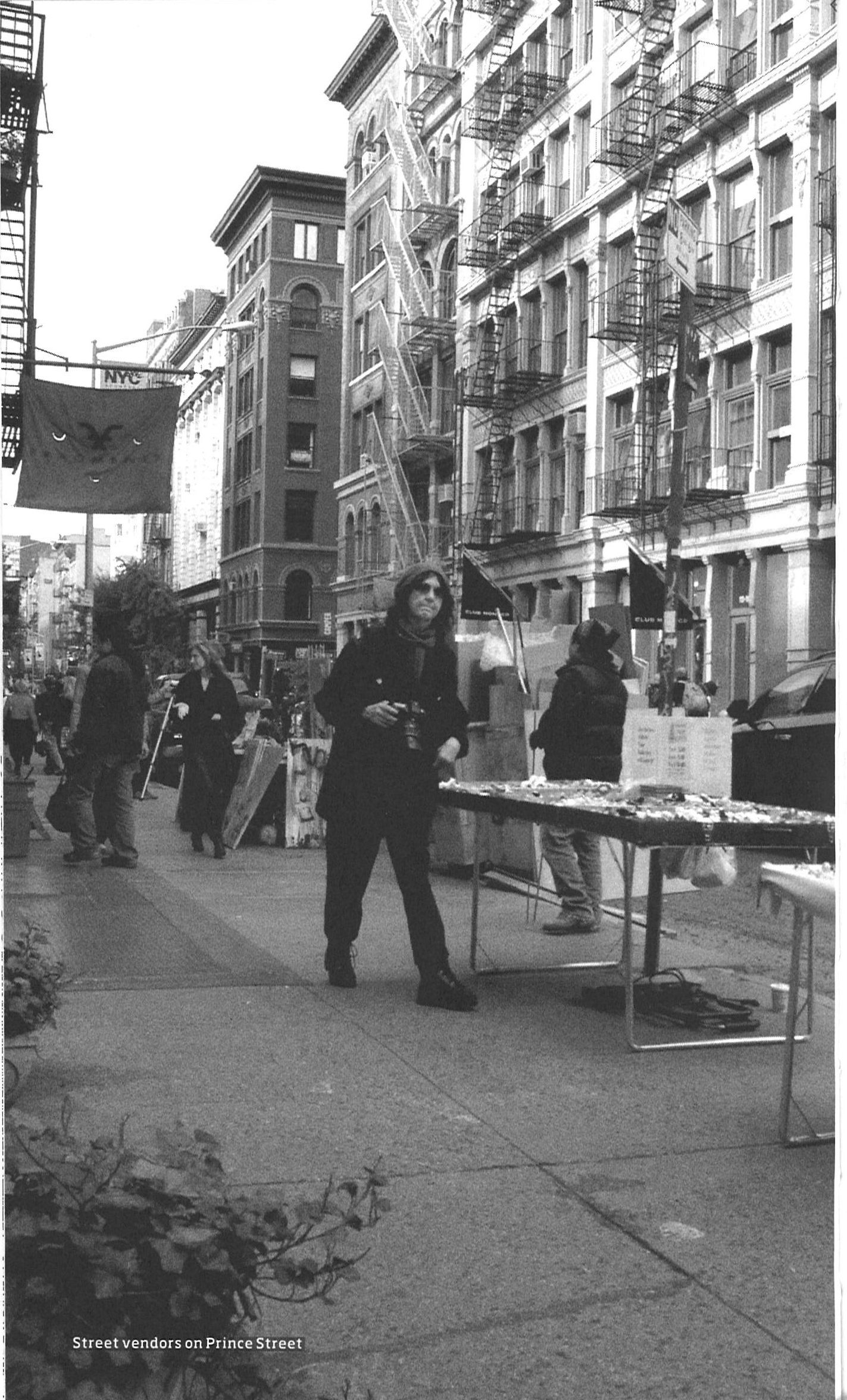
A reader tipped us off to a great little book recently published called “Urban Code: 100 Lessons for Understanding the City“, co-written by Anne Mikoleit and Moritz Purckhauer. The authors observe the daily (and nightly) street life of the Soho neighborhood in Manhattan (Prince Street, above), and outline 100 short lessons about what they find. Some of these lessons are obvious, others surprising. Taken as a whole, it’s a delightful way of mapping the urban experience in a way that feels fresh and accessible.

Surprising observation. Read and find out

Crisply designed with black-and-white photos and simple diagrams (above) which illustrate each lesson, this book is highly recommended for anyone interested in what makes urban neighborhoods, and public space, really work. Happy reading.

[images courtesy of MIT Press]


Again?

Surprisingly elegant

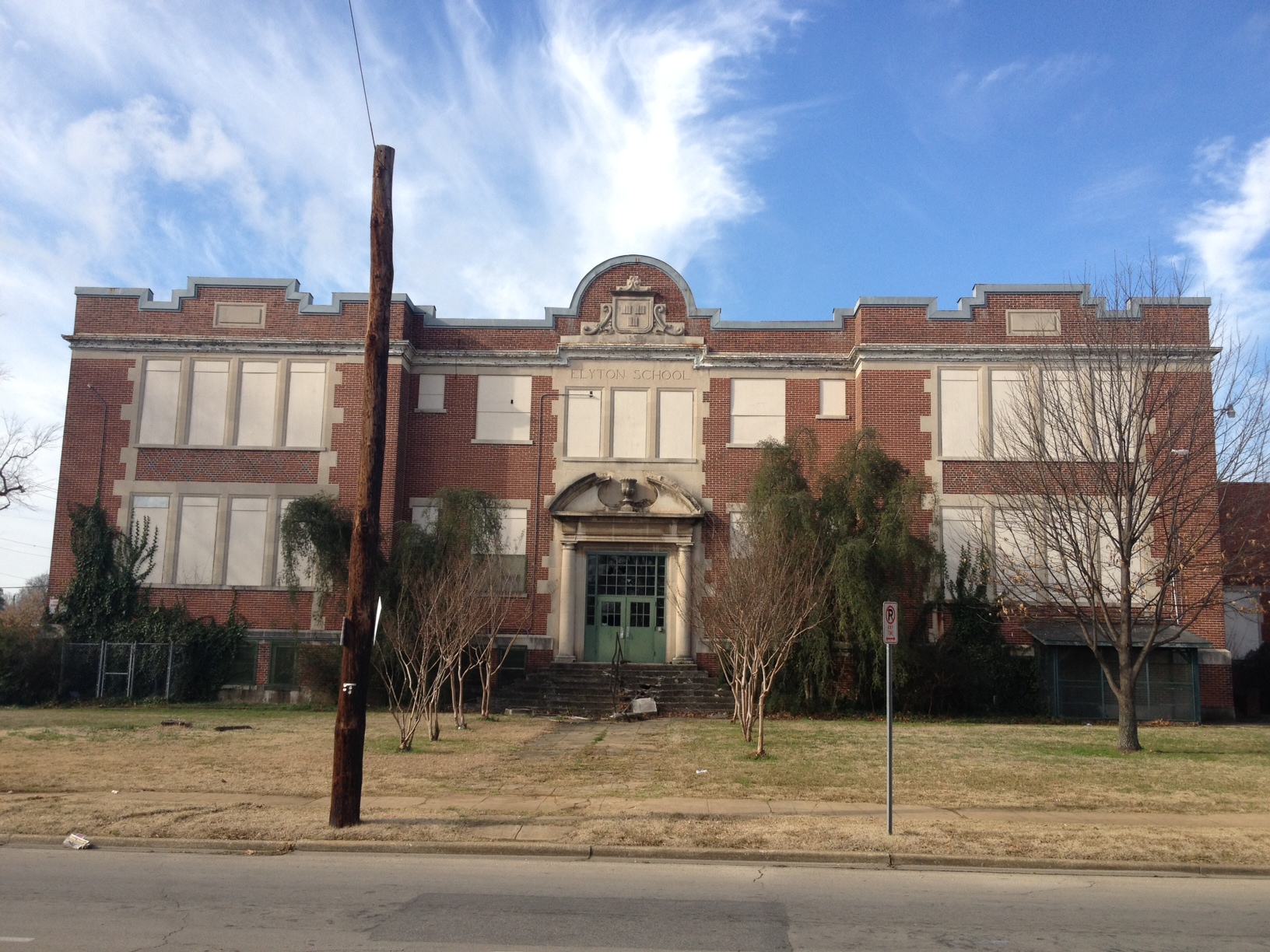
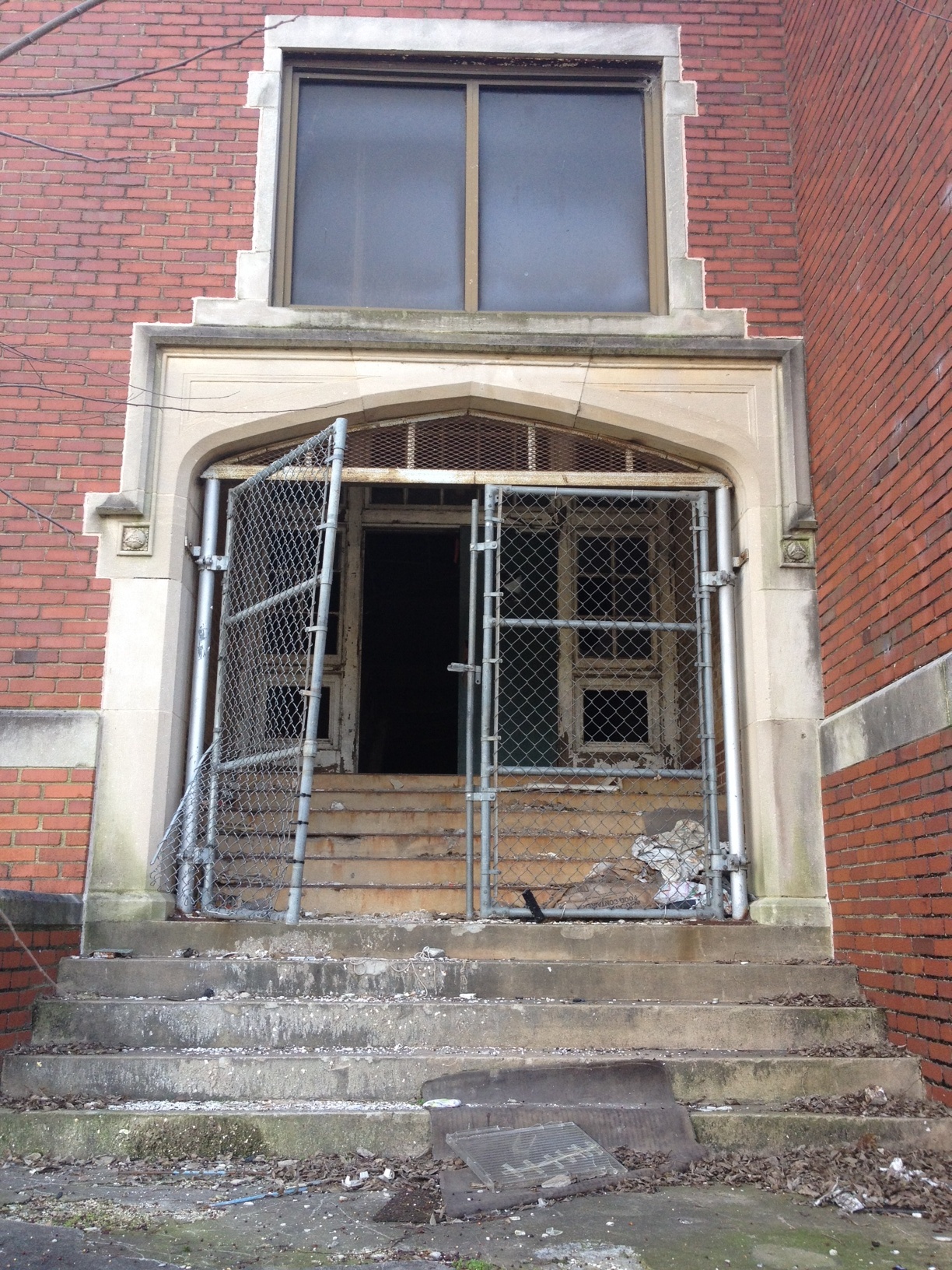
A couple days ago the Birmingham News reported that the Elyton School (above), just a few minutes’ drive out of downtown Birmingham at Tuscaloosa Avenue and Center Street, may be demolished as part of a development proposal for senior housing at the site. The former elementary school, closed for about 10 years, is the second-oldest in the City after Powell School. It was built in 1908 in what was then the independent town of Elyton (which would soon be merged into Birmingham).

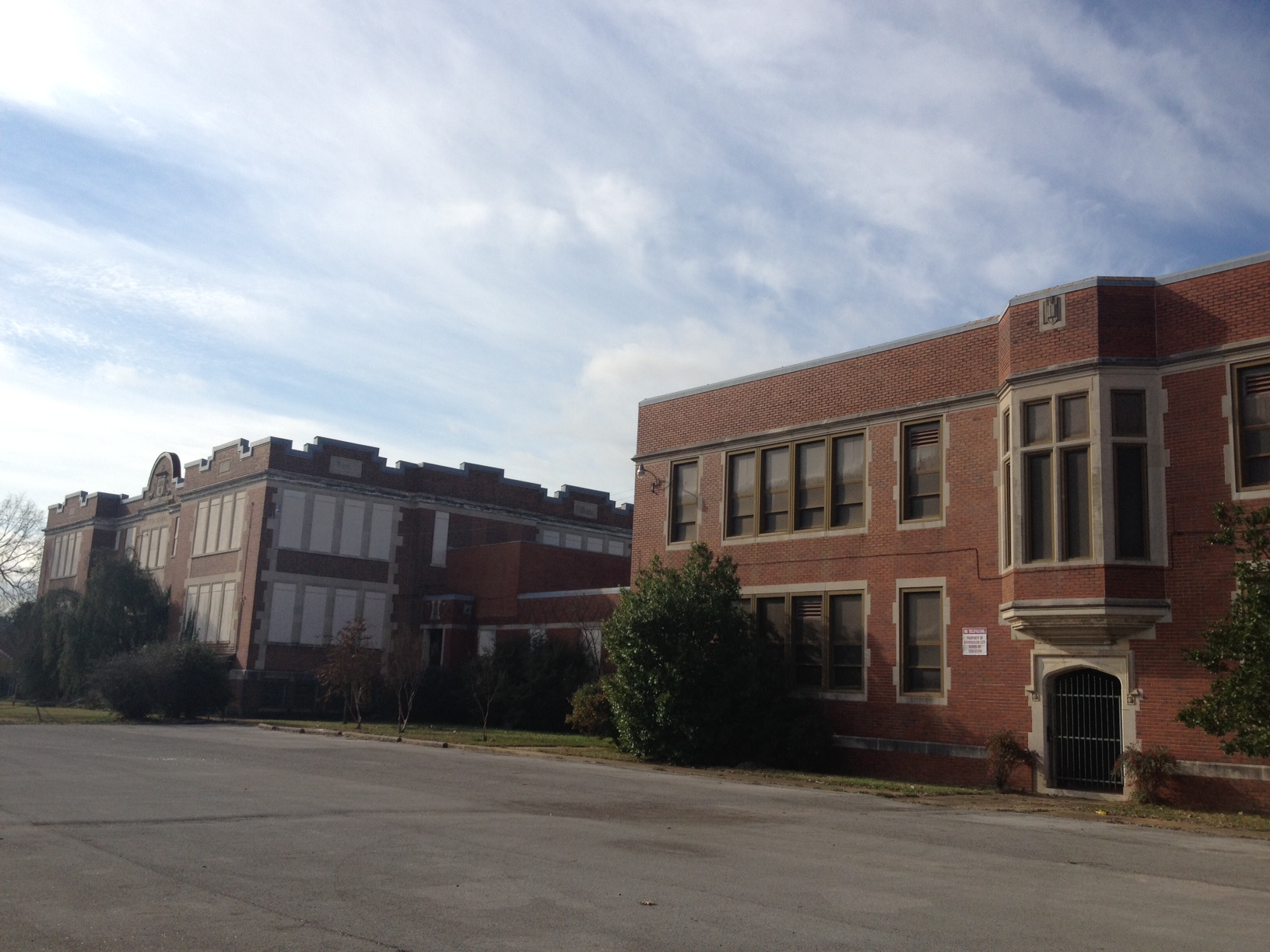
While I was prepared to appreciate historic architecture, upon my visit I was struck not just by the solidity and high quality of the structure, but by the particularly fine level of architectural detail. Many of these older schools have more recent additions, and this one is no exception–although in this case the addition is a wonderful, 1920’s era wing that works well with the original.

Brimming with potential

One can see that later addition to the right above. Many of us are mildly perplexed that such an historic structure would be considered for demolition, right in the middle of ongoing efforts to save Powell School. Time after time, old school buildings in other cities have been renovated with great success for new uses (see this earlier post here). Unfortunately it would appear that Vantage Development, judging from their website, has had little if any experience with anything but suburban, stick-built senior housing.

Not good, and seemingly inexcusable

Back in 2005, there was indeed a proposal to renovate the existing building into senior housing–but the City and the Board of Education could not agree on the price for transfer, and the deal died. Since then, the building has not been properly secured (see above), and neighborhood residents are understandably upset about squatters, etc. While the situation is frustrating, it’s not a reason to abandon hopes of recycling this building.

And more potential

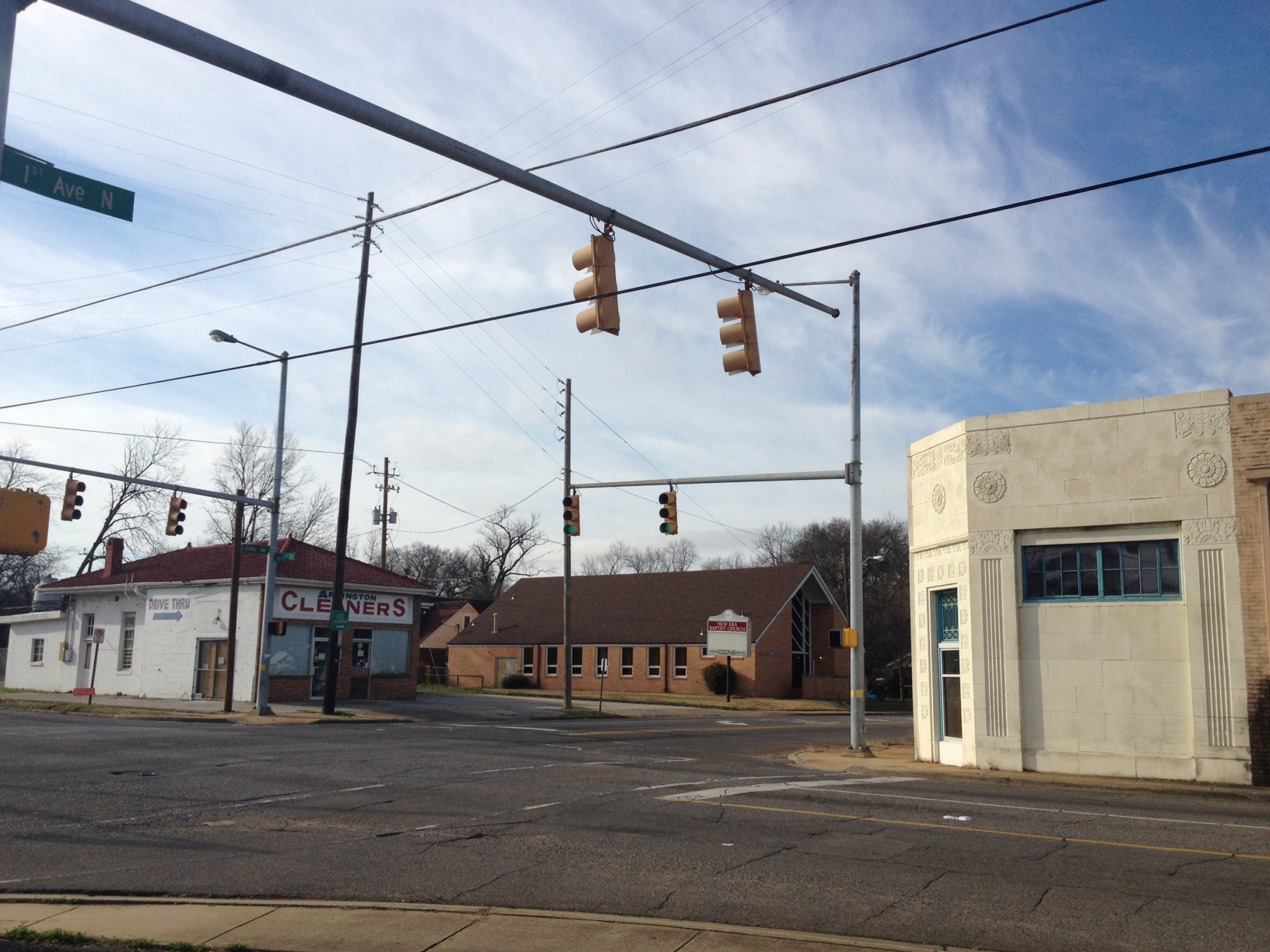
The surrounding neighborhood has challenges–more boarded up structures across the street, for instance–but also great assets, like the historic commercial structures a block south where First Avenue North meets Center Street (above), Arlington Antebellum Home a few blocks west, or the thriving Princeton-Baptist medical a few blocks past Arlington. Elyton School could become a shining jewel in a rejuvenated Arlington-West End neighborhood. Let’s hope the neighborhood, and City leaders, will do all in their power to explore the viability of saving the structure. Because folks, they don’t build it like this anymore. And our City is that much poorer with the loss of another piece of its history.


UPDATE: Here’s a rendering below, courtesy of Vantage Development, of the proposal (shown along Center Street):

Out with the old, and in with...

We need more of this

Clever marketing

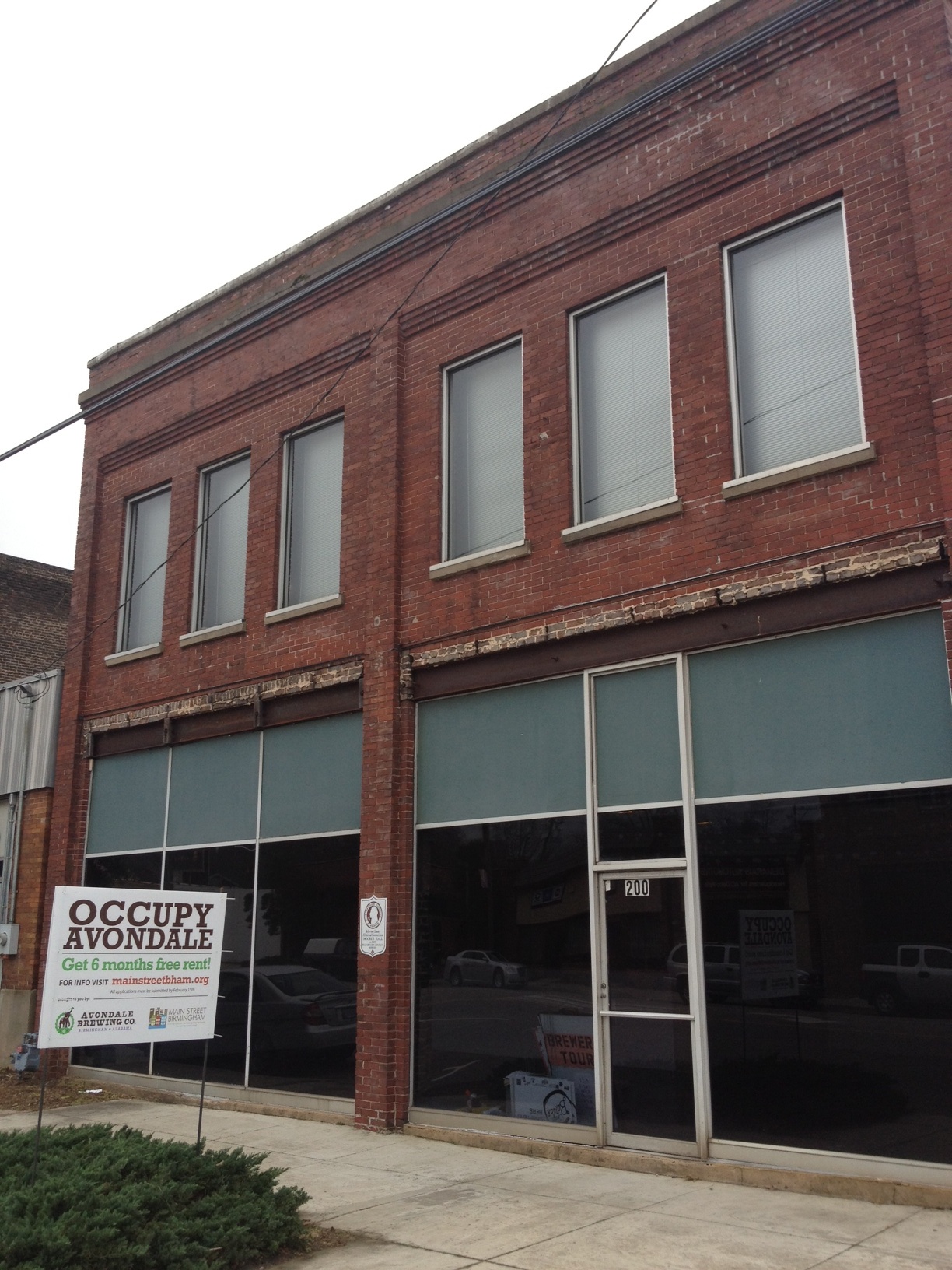
In a clever marketing twist on the recent “Occupy” movement, Occupy Avondale is a contest offering 6 months free rent for the commercial storefront at 200 41st Street South (above), directly across the street from the newly opened Avondale Brewing Company in the central Avondale historic district. [there is an existing loft apartment on the second floor.] A joint project of the brewery and Main Street Birmingham, preference will be given to applicants whose businesses have a food, retail, or arts related basis. Providing more foot traffic to the block is also a plus.

Getting proactive about growing their neighborhood

Kudos to the brewery (above) and Main Street  for putting together this kind of incentive to help continue the momentum in this historic commercial district just east of downtown Birmingham. This City needs creative ways like this to better market real estate that’s well positioned to build on existing synergies. We need to target incentives for businesses in a strategic way, identifying certain neighborhoods (like this one) where the investment can be best leveraged. So Birmingham, put your thinking caps on (preferably while quaffing ABC’s Spring Street Saison Ale) and come up with something fantastic for this space. Deadline is February 15. Cheers.

City as artifact

Worth documenting

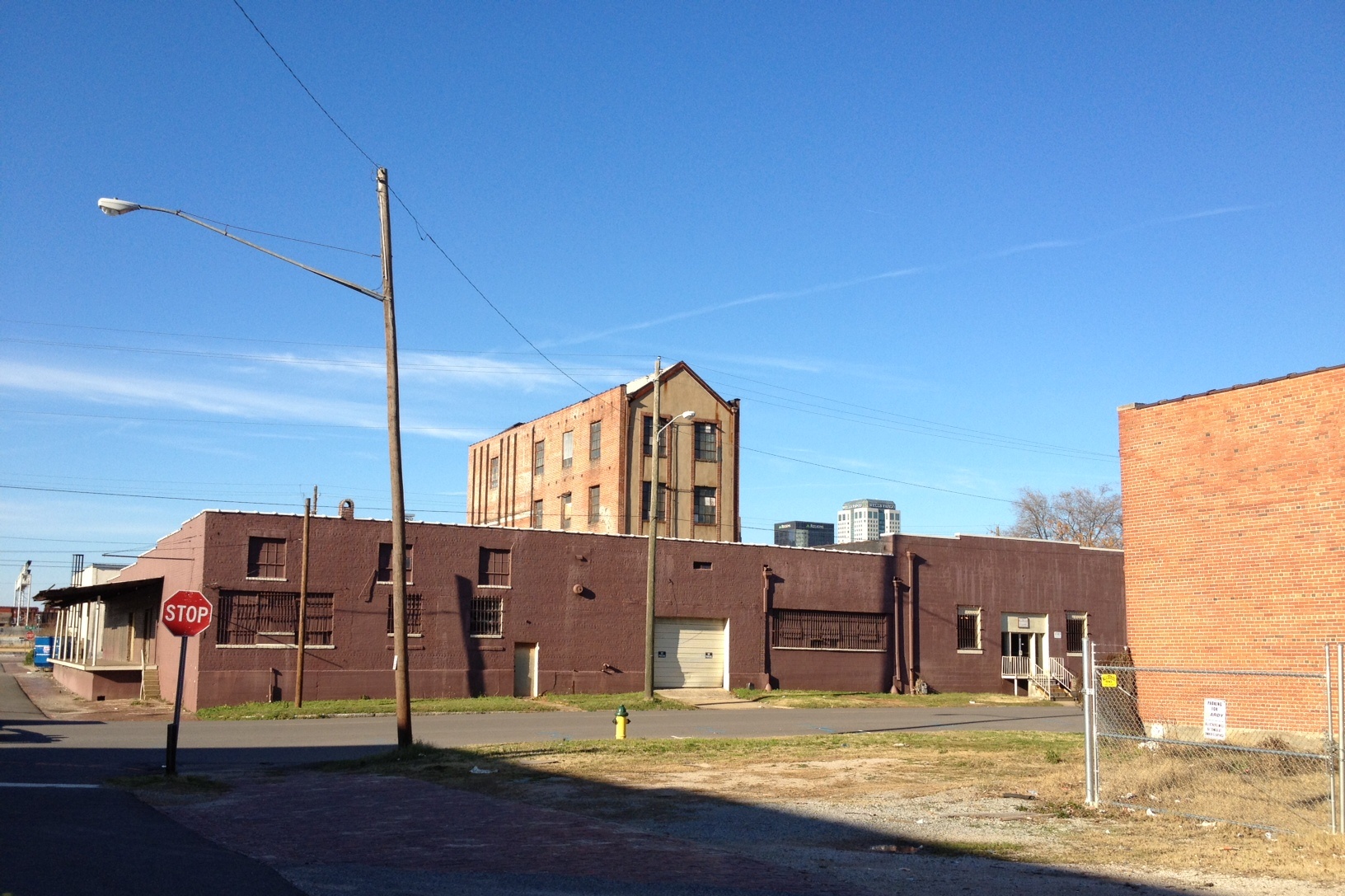
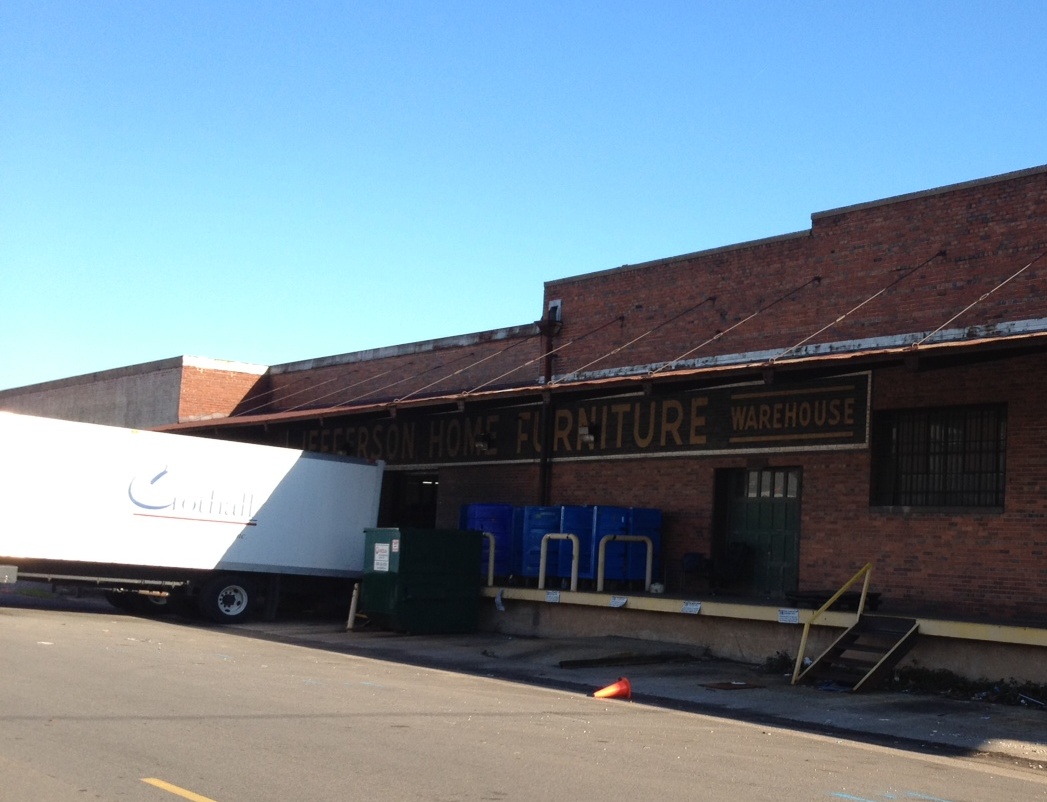
As the City prepares to demolish the 4-block-plus area between directly south of Railroad Park between 14th and 16th Streets South to prepare for the new ball park for the Birmingham Barons, we are about to lose a good bit of historic, warehouse fabric that’s been little discussed. It is the opinion of this blog that the ball park is a good thing for downtown and the City, and that the old warehouse neighborhood around it (tentatively dubbed Parkside) has vast potential to be revitalized into a vibrant mixed-use district connecting UAB to the park. Before the bulldozers arrive, however, it would be great to try to document the buildings that are about to disappear forever (example above).

Remnant of another era

Some of these old structures serviced prominent retailers located several blocks north in downtown’s shopping district, such as the above warehouse which still has its “Jefferson Home Furniture” sign prominently displayed.

Not something you see here often

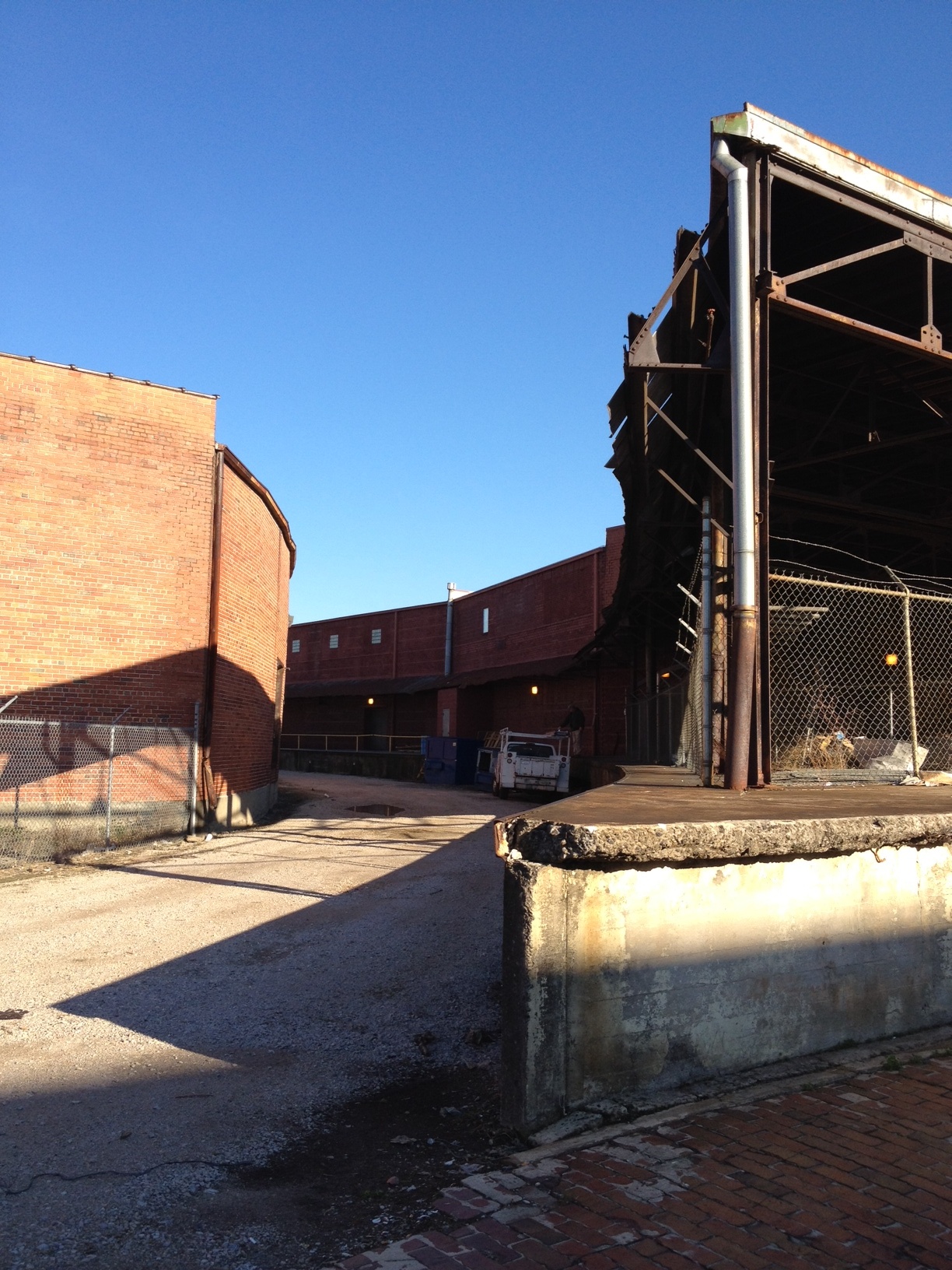
In a central city laid out on a relentlessly orthogonal grid, it’s downright shocking to see this curving alley way between two warehouses (above), which followed the curve of a rail spur. Goods could be loaded directly onto rail cars from the warehouse docks. Wouldn’t it be great if the new ball park facility had a graphic display somewhere with images and history relating to this neighborhood and its (unsung) relationship to the better-known areas adjacent to it?

First sign of progress

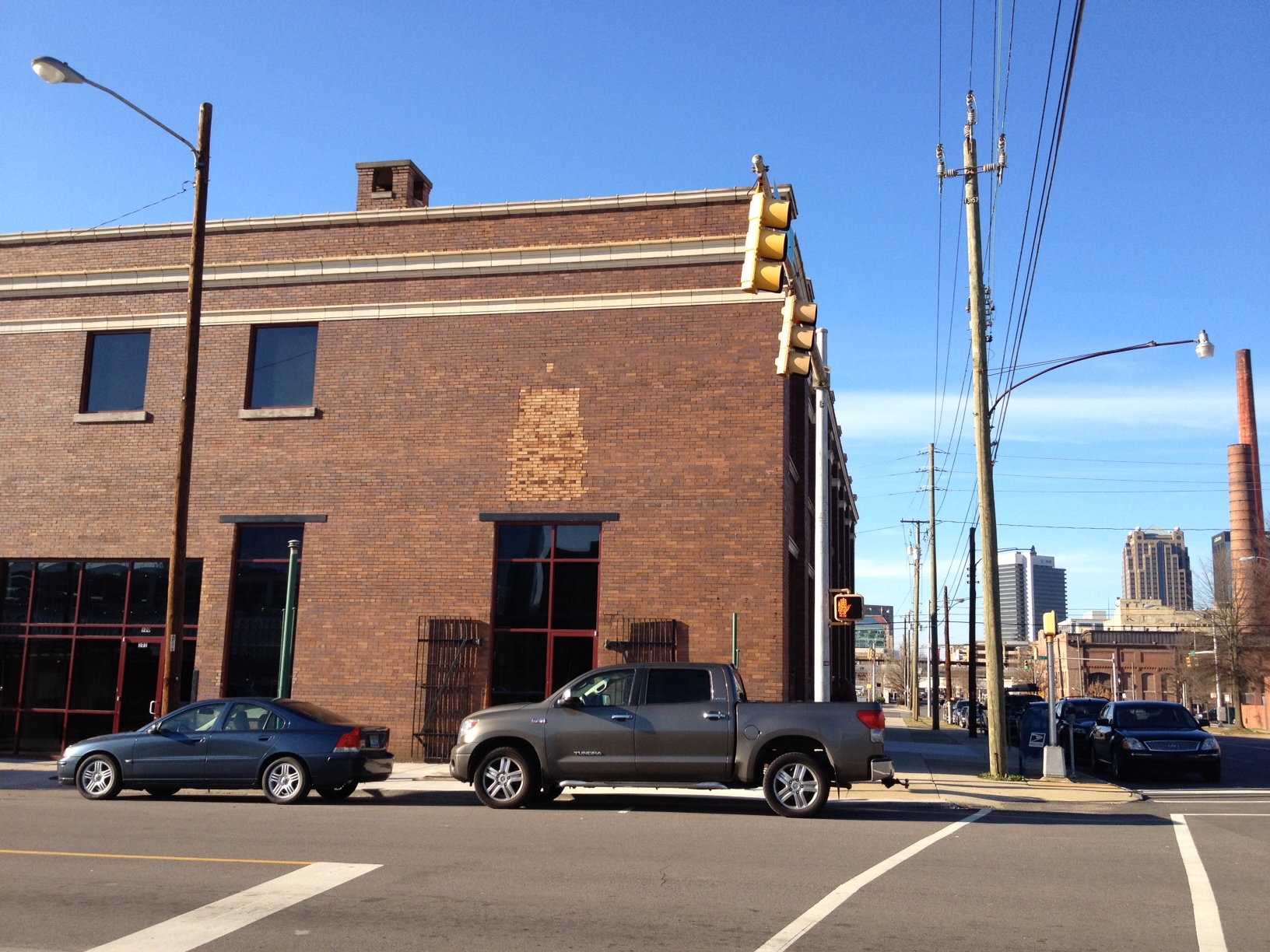
Once these buildings are documented properly, and their history outlined for the public, we hope that upon completion of the ball park many of the surrounding warehouse-type buildings will be renovated to complement new, infill construction in a district with housing, restaurants, bars, shops, offices, and other amenities. A hint of what could come is seen above at the corner of 18th Street and 2nd Avenue South, where the real estate firm Shannon Waltchack moved from the suburbs into a freshly renovated former National Biscuit Company building (they plan phase 2 with loft apartments next door; architect for the project is Cohen Carnaggio Reynolds).

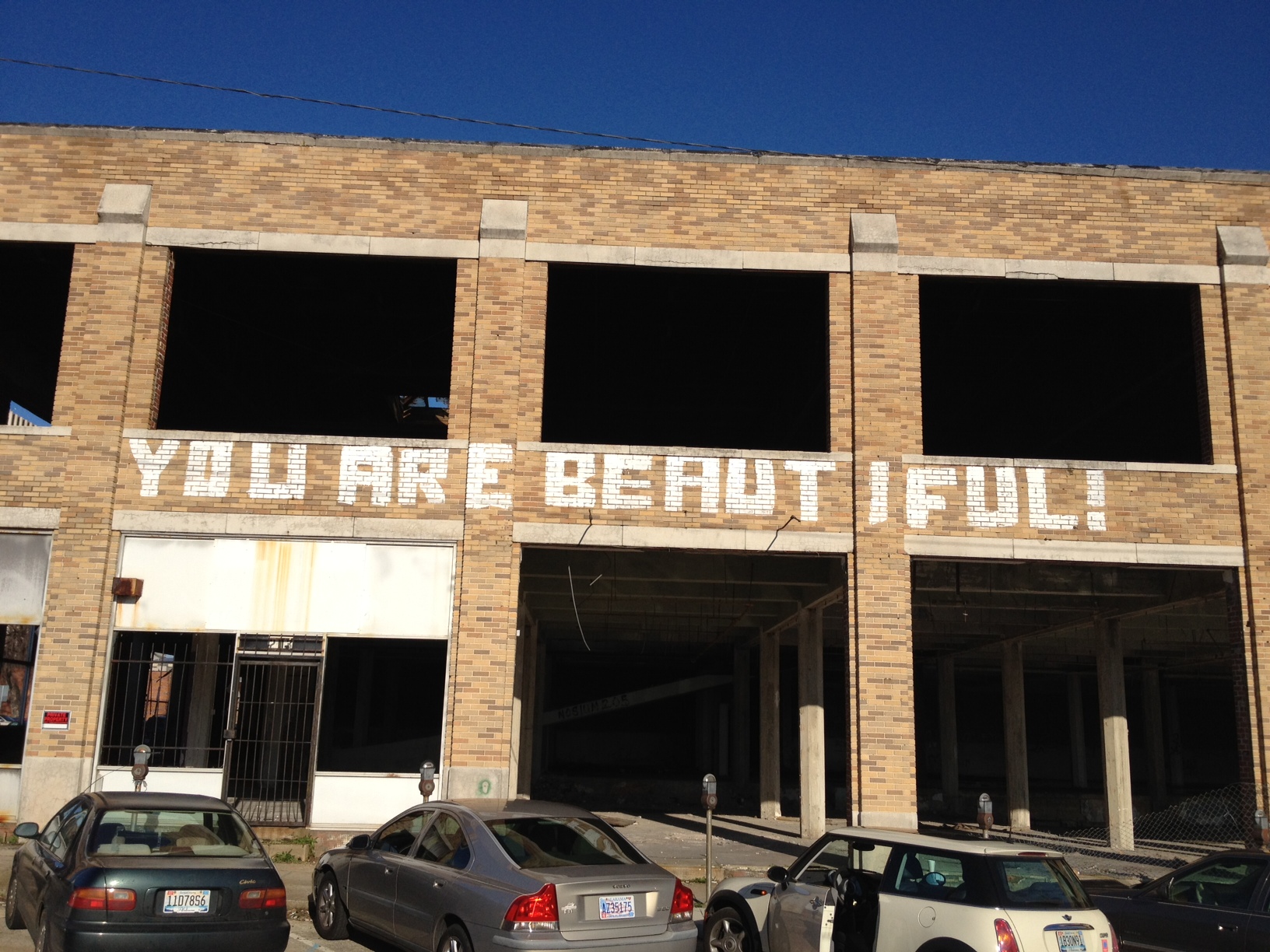
Yes you are

Only a few years ago, the building across 18th Street from Shannon Waltchack had fully rented storefronts. The tenants left and took the storefronts with them; now all that remains is a (still beautiful) shell. Understanding the value of historic buildings is important, and we hope this one can be returned to service. Part of what will make this neighborhood work are built-from-scratch projects like Railroad Park, the Barons park, and proposed new UAB buildings. Destruction of some existing historic buildings will be inevitable. Let’s get them professionally documented before they go.

Keep the dream alive

Displaced by development

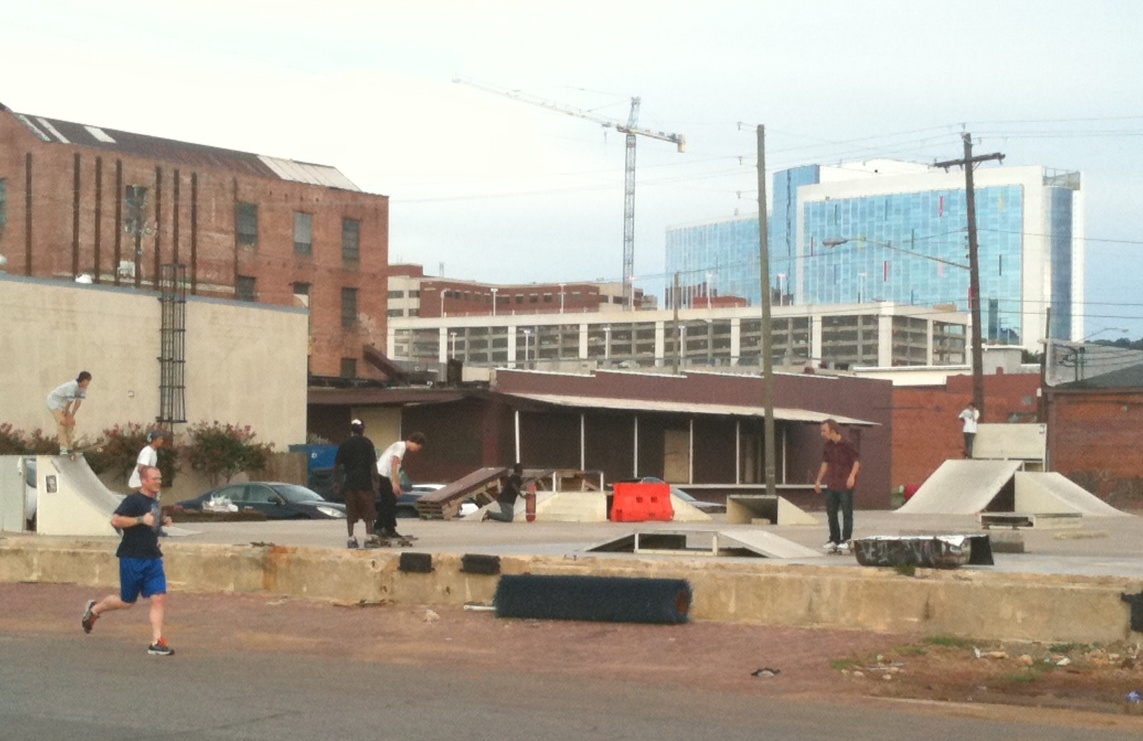
It always seemed a bit too good to be true. Birmingham, which embarassingly for a city its size has no proper central skate park, suddenly got a temporary version right across from Railroad Park in the 1500 block of First Avenue South when Railroad Park opened downtown (above). An almost-forgotten warehouse district was instantly brimming with green and people, and the skate park created a great synergy with its larger neighbor across the street. The balletic activity of the skate park was close enough to be visually compelling, but at just the right distance to not disturb people pic-nicking across the street in the grass. However, the writing was on the wall when the Birmingham Barons baseball team announced its intention to build a new downtown park in the area; the skate park has now been dismantled, awaiting imminent construction of a large baseball park at that location.

A path to success

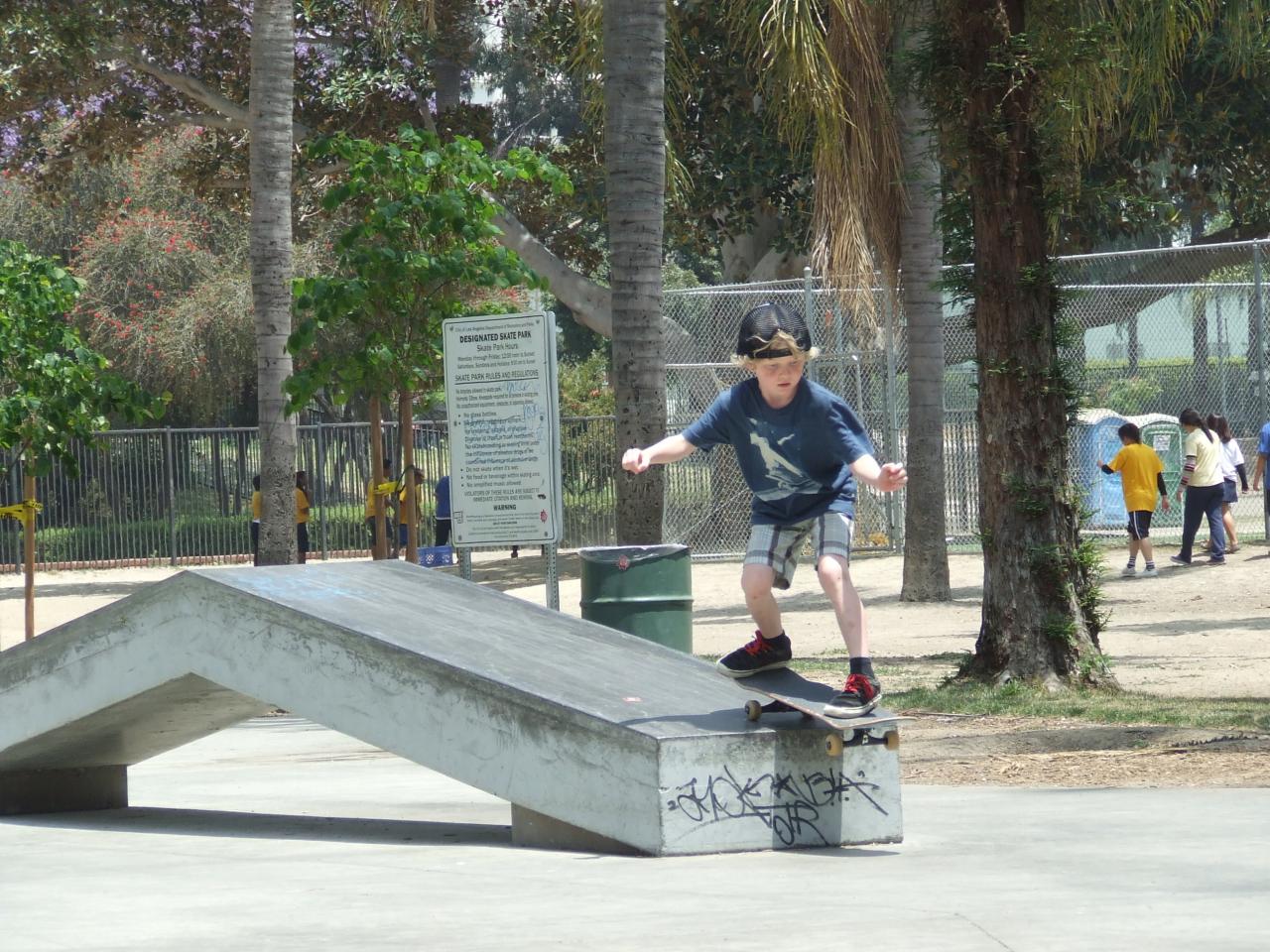
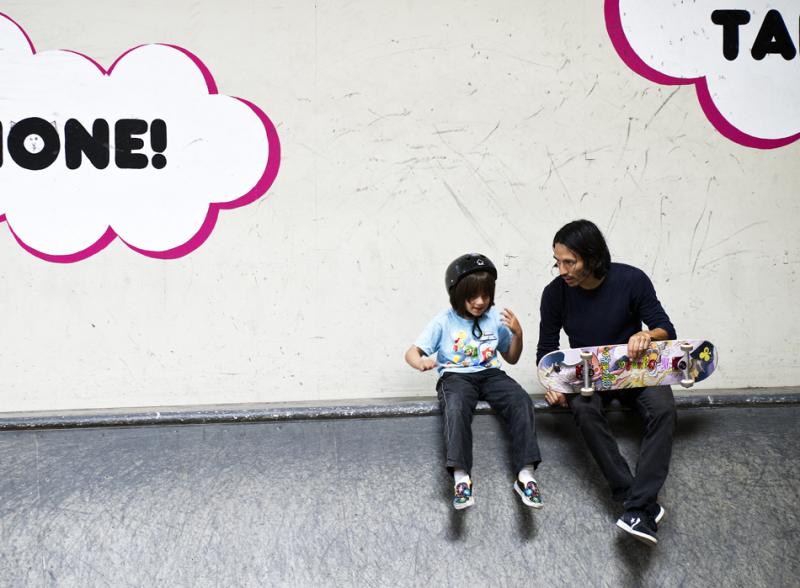
Enter the A.Skate Foundation, a local non-profit that helps kids with autism through skateboarding. This nationally-recognized group, which holds clinics all over the country, just won a $50,000 grant for design of a new skate park in Birmingham, just a couple months after winning another equal grant for their clinics. This is probably the best opportunity to get an urban skate park built that we’ve had in a while.

Sculptural landscape, urban activity, kids–what’s not to like

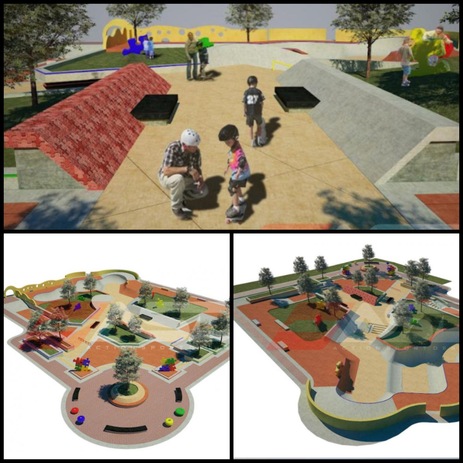
Prototypes for the park are illustrated above (real design will start once a location has been selected; the designer is ASD). This is a no-brainer for the City–an opportunity to create a remarkable outdoor space, fulfill a true recreational need, and help kids with autism all at once. Talk about positive publicity. Birmingham should be jumping to identify property in the City Center or immediately adjacent neighborhoods. However, we hear that other metro cities are jumping quicker to assist the potential project. We’d love this park to be somewhere in the metro, period; we think a downtown location is ideal not only for the centrality to all populations, but for creating the best visibility for this very urban sport. We strongly encourage Birmingham to consider this worthy project.

Birmingham, make it happen

For anyone interested in donating to A. Skate’s mission, or who has ideas about possible locations for their new skate park, please contact them here. A skate park is part of any successful city’s urban fabric. Birmingham should be no exception.

[thanks to A.Skate and ASD for the renderings and photos of skate kids]

Mixed bag

A victory for adaptive reuse

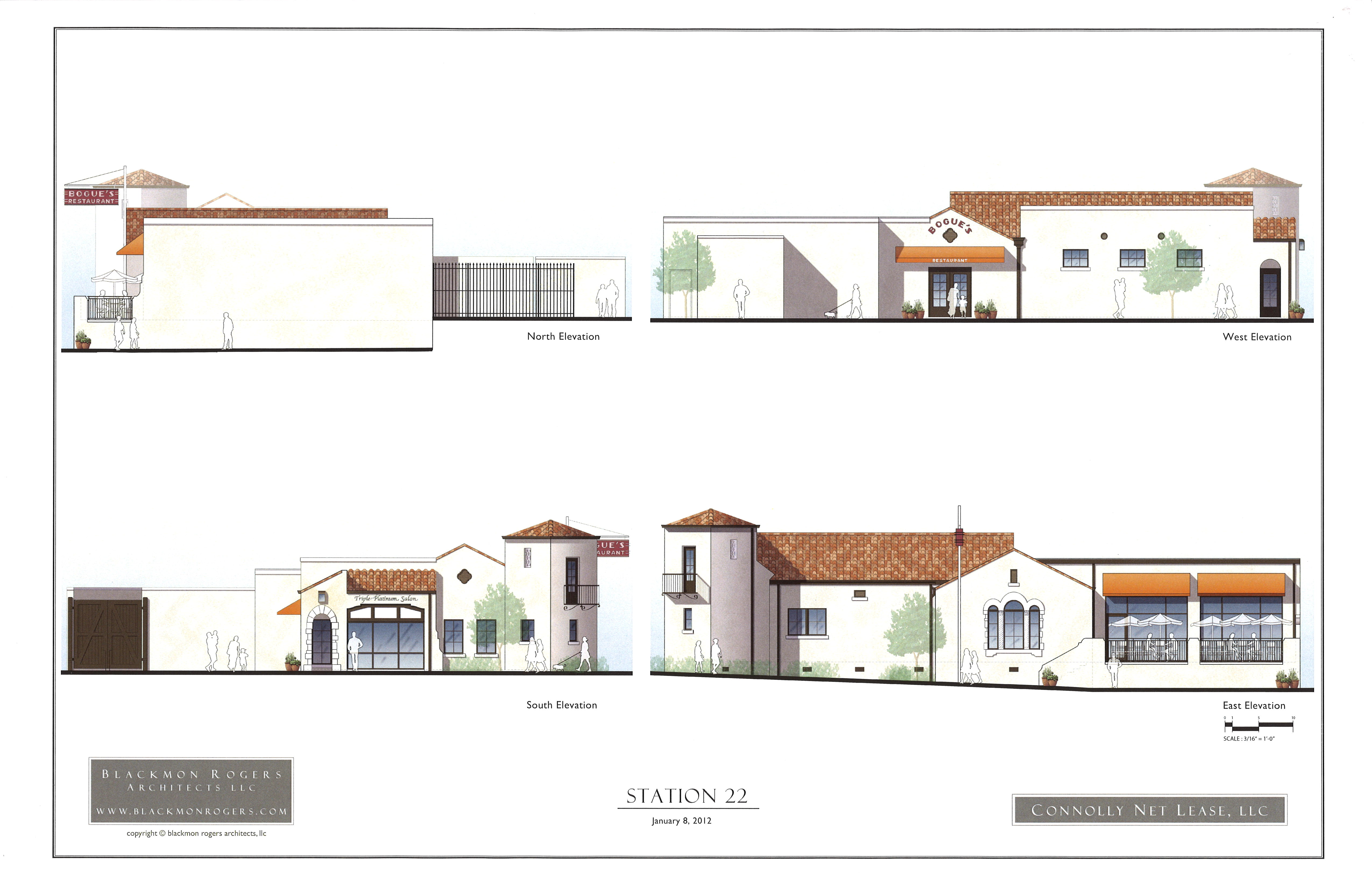
Birmingham’s Design Review Committee had a broad spectrum of design issues on the agenda today. Universally commended and approved was the signage package for the new Walgreens complex on Clairmont Avenue and 32nd Street South, where the historic Fire Station #22 is being restored with a hair salon and Bogue’s Restaurant as tenants (above). A new Walgreens building and parking lot are displacing these two businesses directly to the west of the Fire Station. We first broke the story of Walgreens’ original plan to demolish much of the block including the Fire Station. We are thrilled the Fire Station and the historic Bogue’s neon sign are being reused, and that a very old local restaurant isn’t disappearing. We are still concerned about the relationship of the new Walgreens to its western neighbor, Henry Sprott Long and Associates. But the salvation of the Fire Station is a win for the neighborhood, and an example of how a large, national chain can work with grassroots activists to achieve a better, more urban solution for retail developments.
Not again...

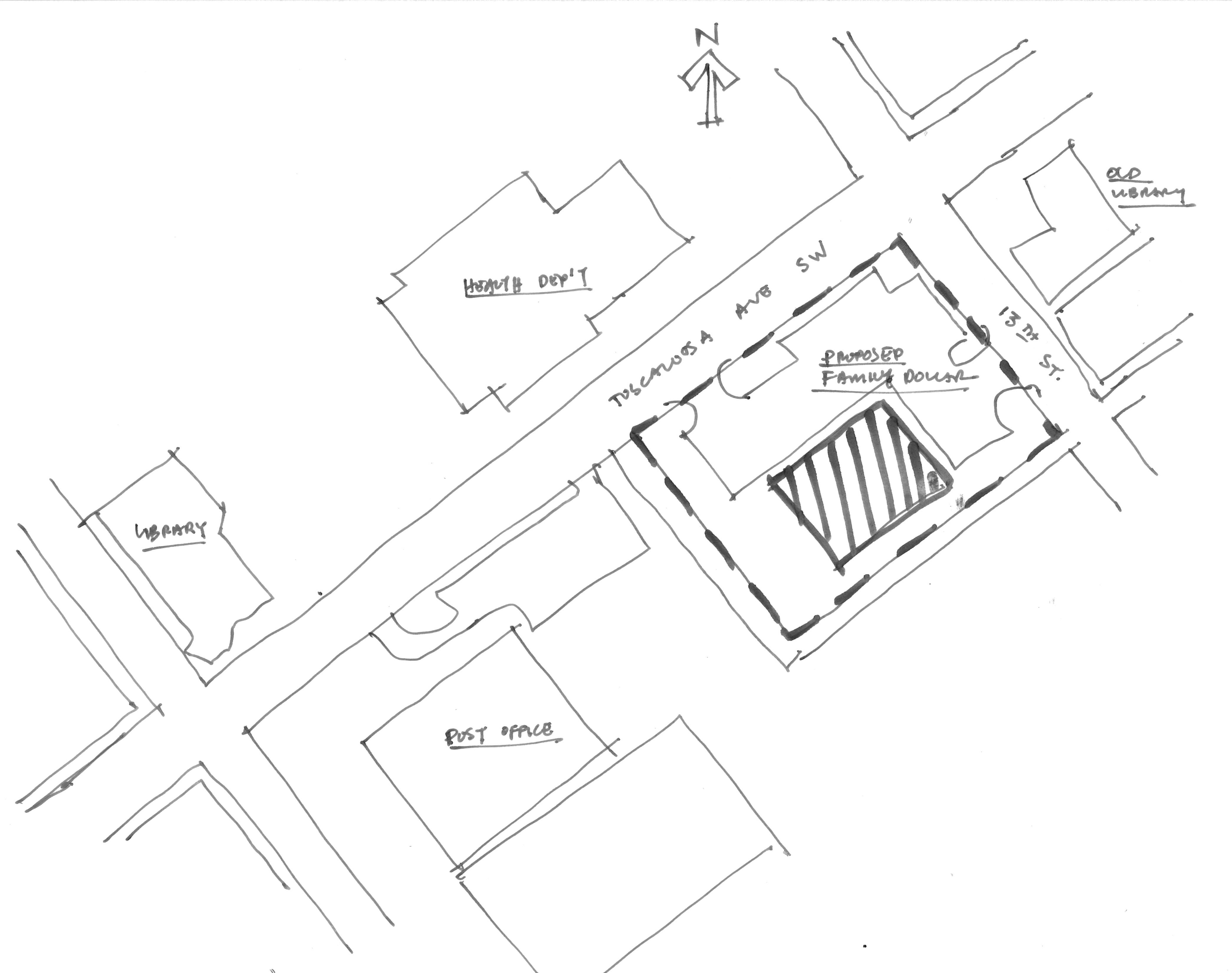
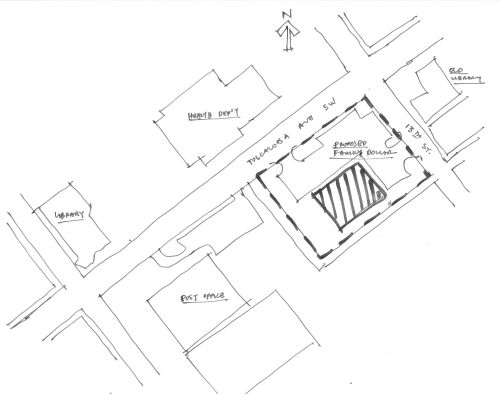
In an eerie replay of the earlier Walgreens controversy, Family Dollar presented a proposal for a suburban-style store at the corner of Tuscaloosa Avenue SW and 13th Street, in West End (my own quick sketch above). Just a few blocks from the thriving Princeton Medical complex, and surrounded by a relatively dense, historic fabric, the developer (Boos Development of Clearwater, FL) insisted that he’d followed the zoning guidelines (which he had), and that Family Dollar’s commitment to the neighborhood was predicated on this site plan–where a generic, blank-box Family Dollar is situated behind a swath of asphalt parking. The Committee was not pleased.
The context is urban, not suburban

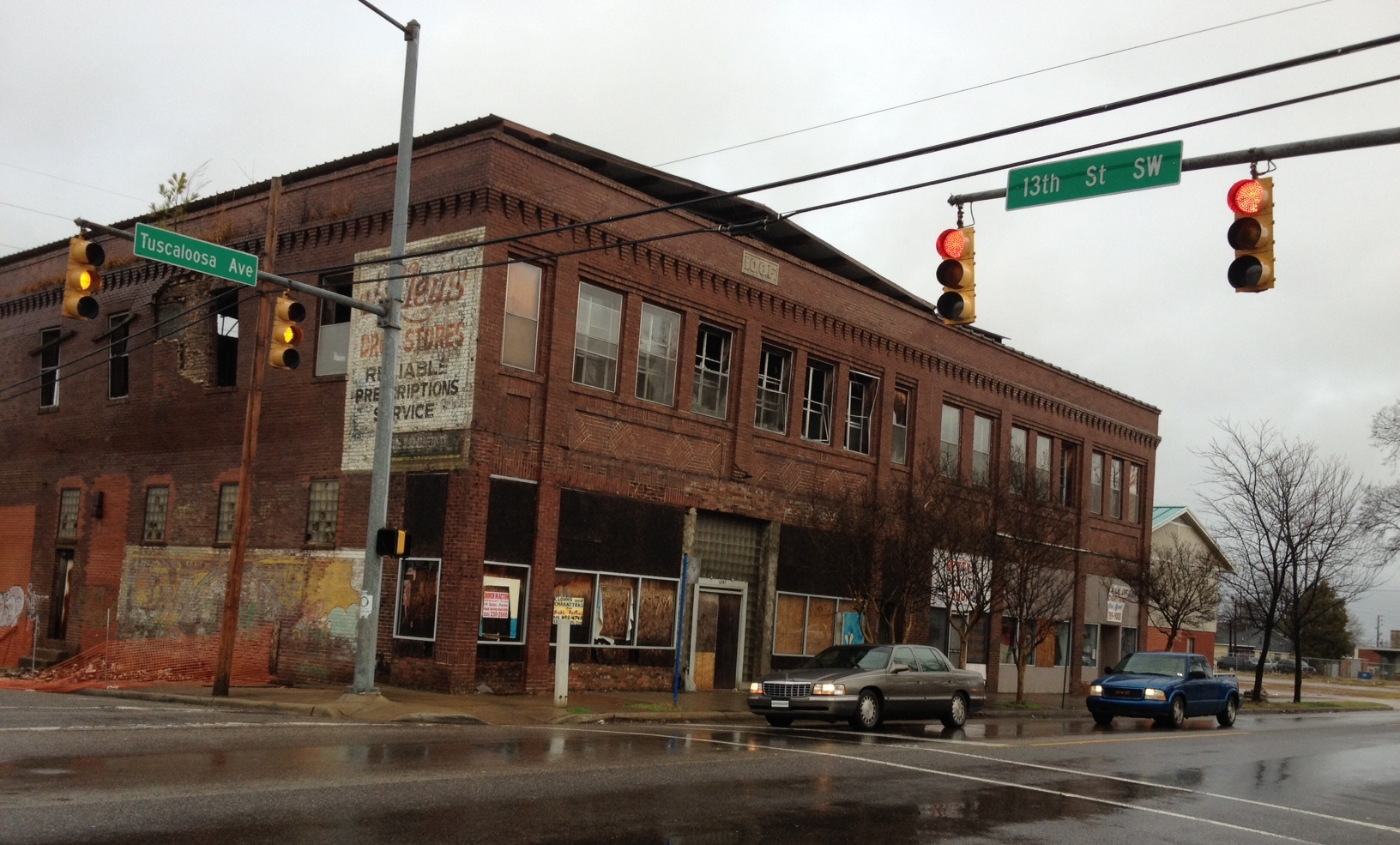
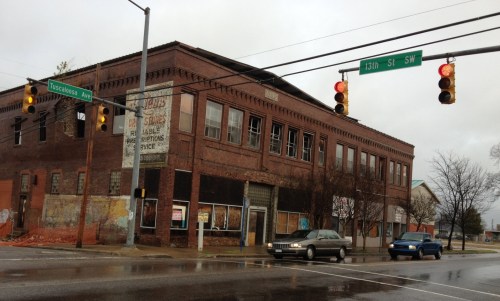
Directly across from the currently vacant site is a reminder of the historic importance of this West End neighborhood–a two-story, commercial structure now sadly deteriorated, but illustrative of the urban, pedestrian character of the streets. The rest of the block has newer buildings–a post office, a county health clinic, a library–which speak of the continued civic importance of this area.
It's already a pedestrian neighborhood

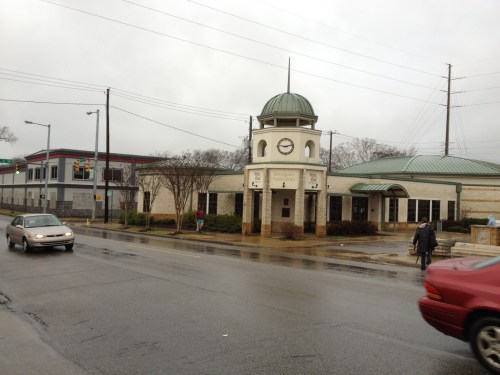
In objecting to the proposal’s suburban, car-centric design, a couple Committee members mentioned they’d either grown up in this neighborhood or have family here–and that people walk. And that many will be walking to the Family Dollar. Above is the relatively new library across the street which, despite an awkward architecture, does  form a pedestrian-friendly street edge. Parking is concealed to the side and rear. Even on a very rainy morning, a number of pedestrians were out walking between the post office and library, and from the surrounding neighborhood–a visual confirmation of the Committee’s point.
More street edge in West End

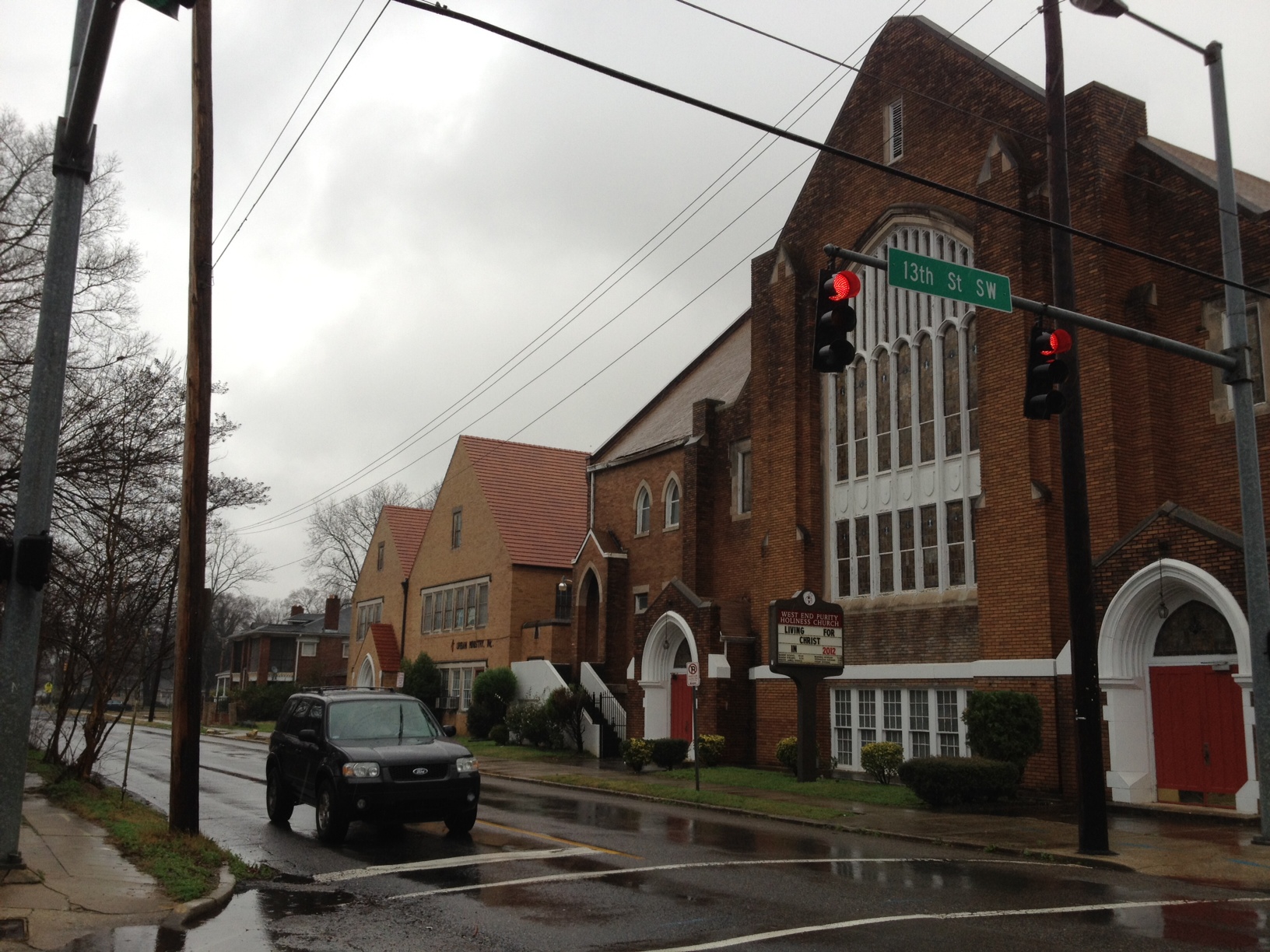
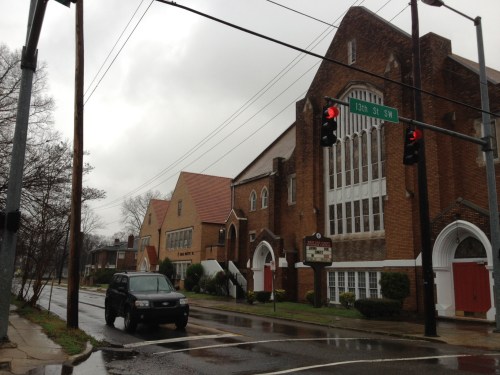
Right down the street from the site are these fine church and residential buildings (above), another indicator of how out of character the proposal is with its surroundings.
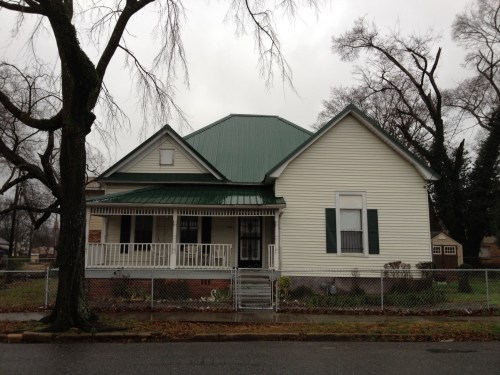
Lots of potential here

More than many other neighborhoods on this part of town, West End shows promise (house across 13th Street above). Recent investments in the area–including this possible Family Dollar–show a stability that can be a strong base for future improvements. Committee member Marc Fugnitto was passionate about treating West End no differently from Five Points South or South Avondale, where large national chains wanting to invest in urban neighborhoods were required to redesign their proposals to be pedestrian-friendly and appropriate to local context. Others agreed, and hoped that the City Comprehensive Plan, currently in the works, will address the lack of Smart Code and other tools that would tell the developer up front what’s expected, from a form-based standpoint. Or, at the very least, that the Plan will consider this part of West End as an important urban node in the City, which needs clearer design guidelines to help steer development.
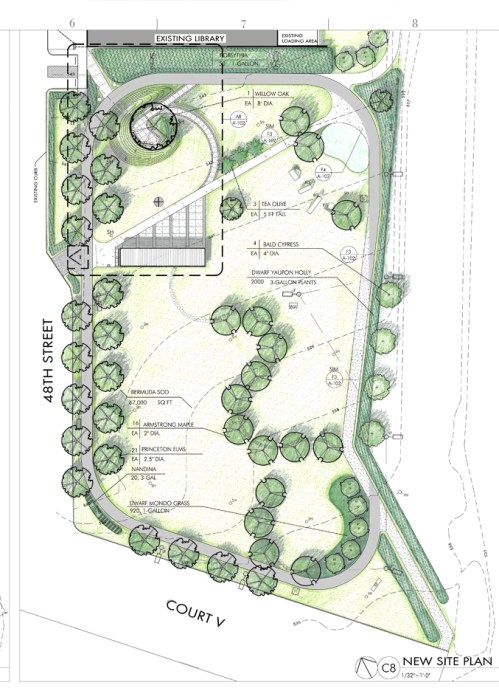
A harbinger of things to come?

The Committee asked the developer to meet again, informally, to discuss solutions for the site; the proposal as presented was not approved. On a brighter note, a few blocks further west at 48th Street and Court “V” in Five Points West, Hoskins Architecture presented the above plan for revitalizing a small park adjacent to the Five Points West library. A thoughtful palette of varied trees and plantings, elevation changes, and modern furnishings bodes well for the type of design we all hope will occur around the new Birmingham Crossplex (which is a block north). A bland piece of grass with a few desultory plantings will be transformed into a real place. This one passed the Committee with flying colors.

More potential, slowly getting realized

Back downtown on the 1700 block of Third Avenue North, a small, vacant two-story commercial structure (brown brick, above), was approved for renovation into a law firm downstairs, and the lawyer’s loft apartment upstairs. The simple, historically sensitive design is by NHB Group. Just one block west of the Alabama and Lyric Theaters, this side of the street is full of potential but, in the absence of a coordinated plan for the Theater District, has been slow to revitalize. Besides the renovation of the lower building in the right of the photo (private residence), and the mixed-use tailor shop and loft (below), both of which we designed, this block has been pretty stagnant. With the planned renovation of the Lyric Theatre, a strategic focus on this district, and more investors, this row could be a real downtown jewel. City, onwards!
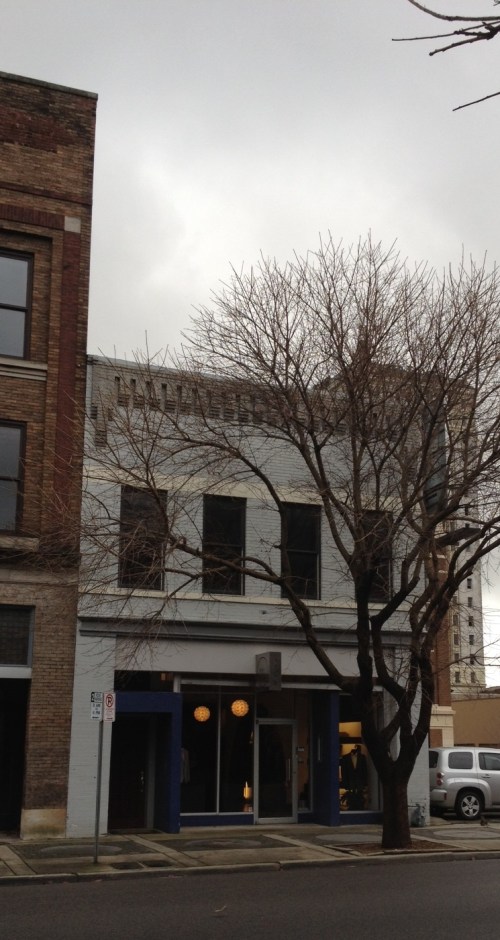
Retail on the street. We need more

[Thanks to Blackmon Rogers Architects for the Fire Station elevations and Hoskins Architecture for the park plan]

West coast inspiration

That's what it's all about

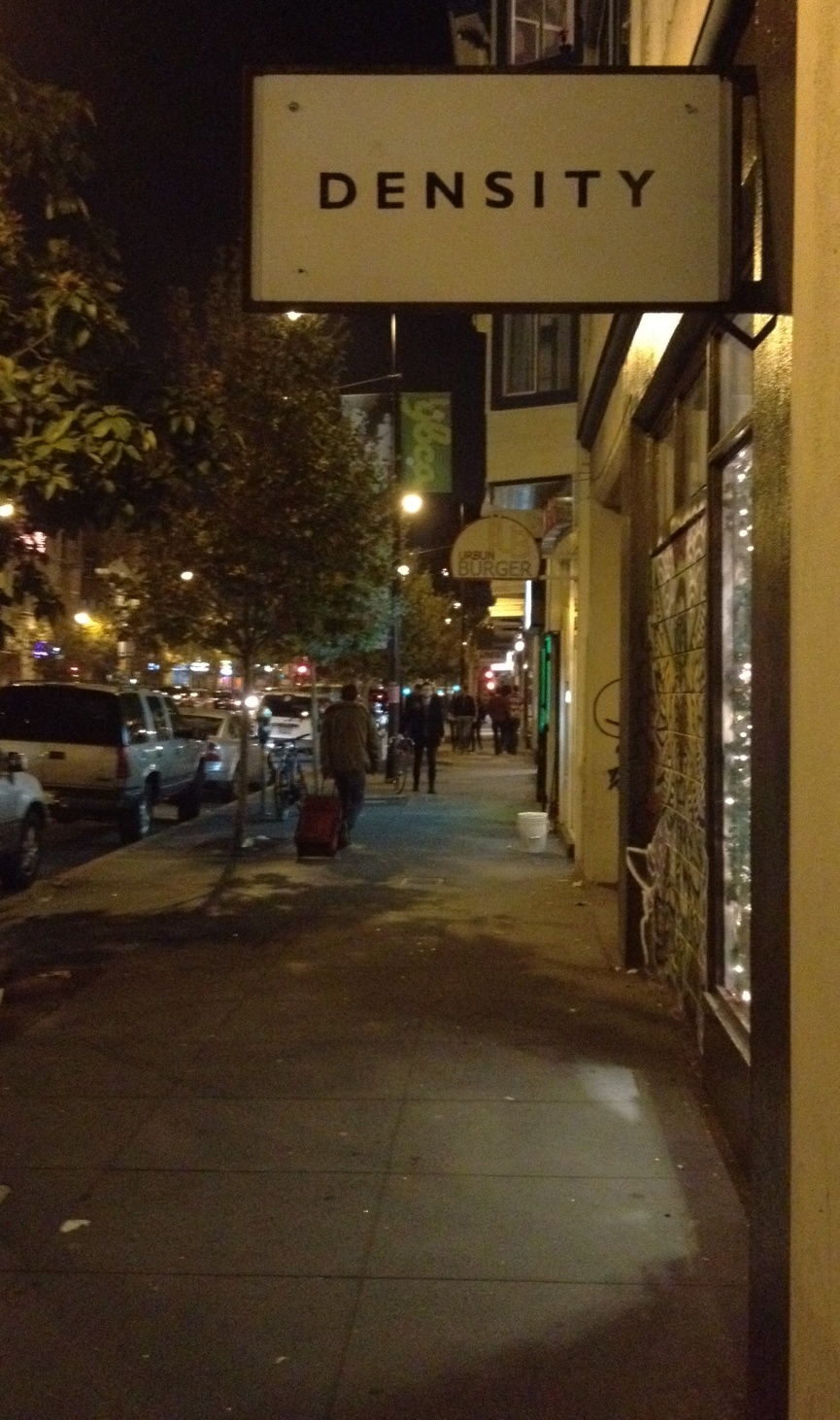
As we continue to ponder our own City’s destiny (please consider attending the imminent round of public workshops regarding transportation, green systems, community revitalization, and economic development as part of the new City Comprehensive Plan), it’s always instructive to recall what’s compelling in other cities–in this case, San Francisco and the Bay Area, which was a holiday trip this year. Above is a shot taken in San Francisco’s Mission District: density is a fundamental aspect of this city, enabling walk-ability,interesting streetscapes, and healthy public life.

Only NYC is denser

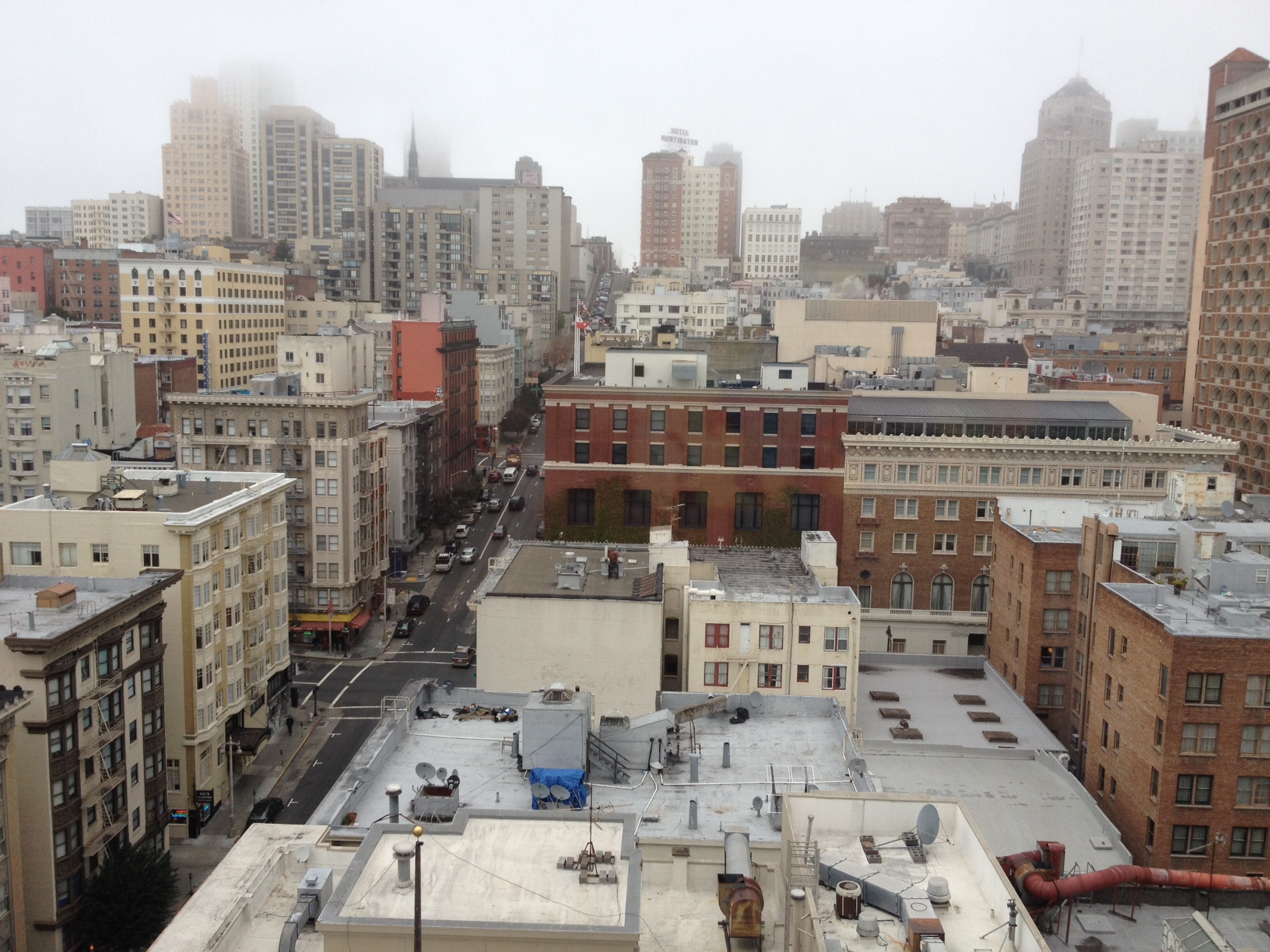
A good mix of mid-rise and high-rise buildings define the downtown area, above.

Consuming the city

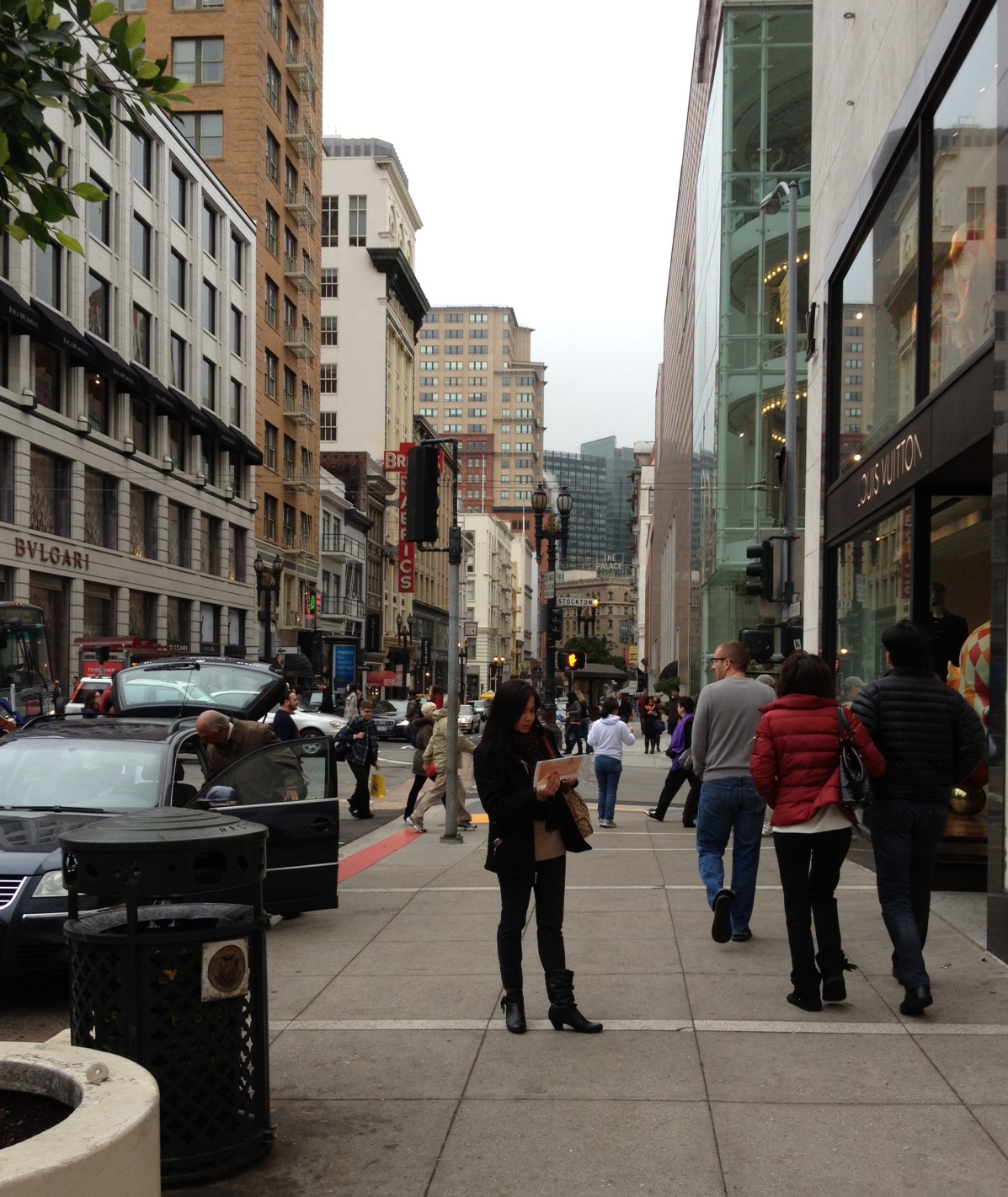
Above is the main shopping area downtown near Union Square, which manages to feel authentic–even a bit gritty–despite the very expensive chain stores. It was great to see huge crowds out on the sidewalks.

...and more shopping

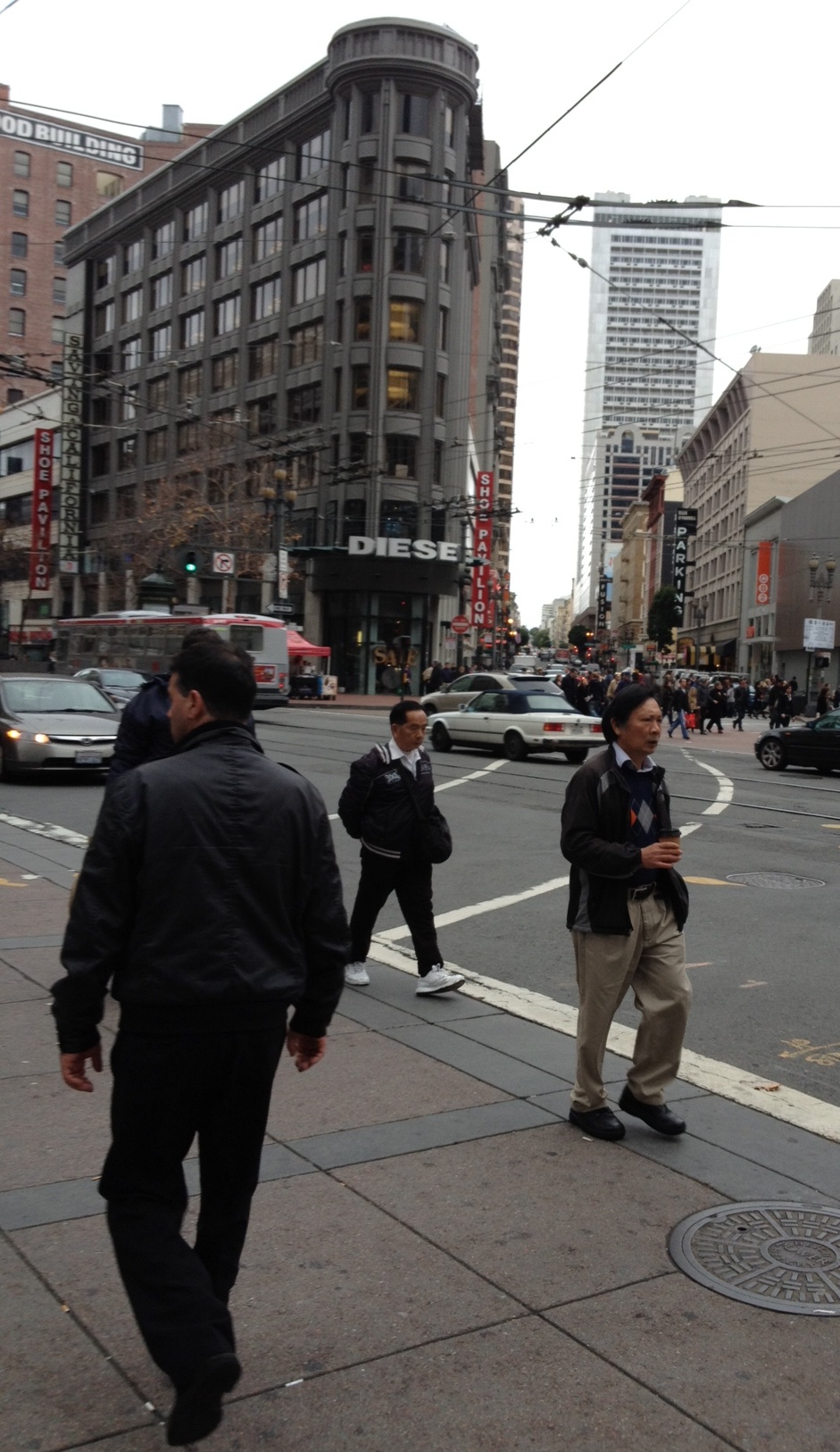
It’s important to remember that San Francisco has one of the higher per capita incomes in the US, and is considered one of the world’s top tourist destinations. Hence the preponderance of luxury stores downtown, from Neiman Marcus to Diesel, above.

Unique

Chinatown, above, is unique in this country as a large, tight-knit ethnic community with a very old history. The projecting signage, fruit stands, and shoppers make for a superb walking environment.

How can you beat it

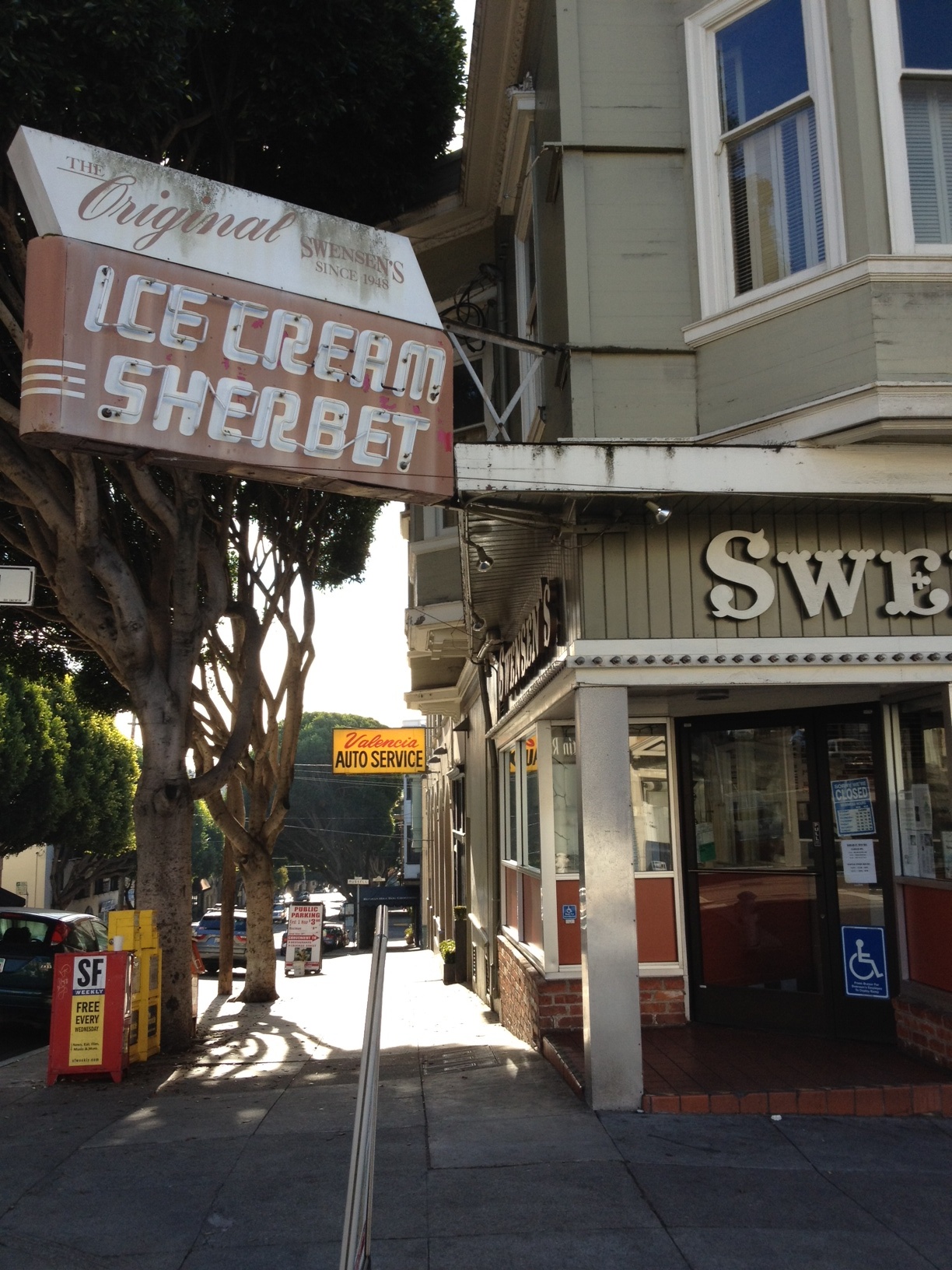
In the Russian Hill neighborhood, we stumbled upon the original Swensen’s ice cream parlor, a quaint corner shop with a lunch counter. This neighborhood is filled with corner coffee shops and dry cleaners.

Good edge

Across the water in Berkeley, the university campus is edged with vibrant streets lined with retail and restaurants, above. It’s a great urban amenity for staff and students alike.

Is it real?

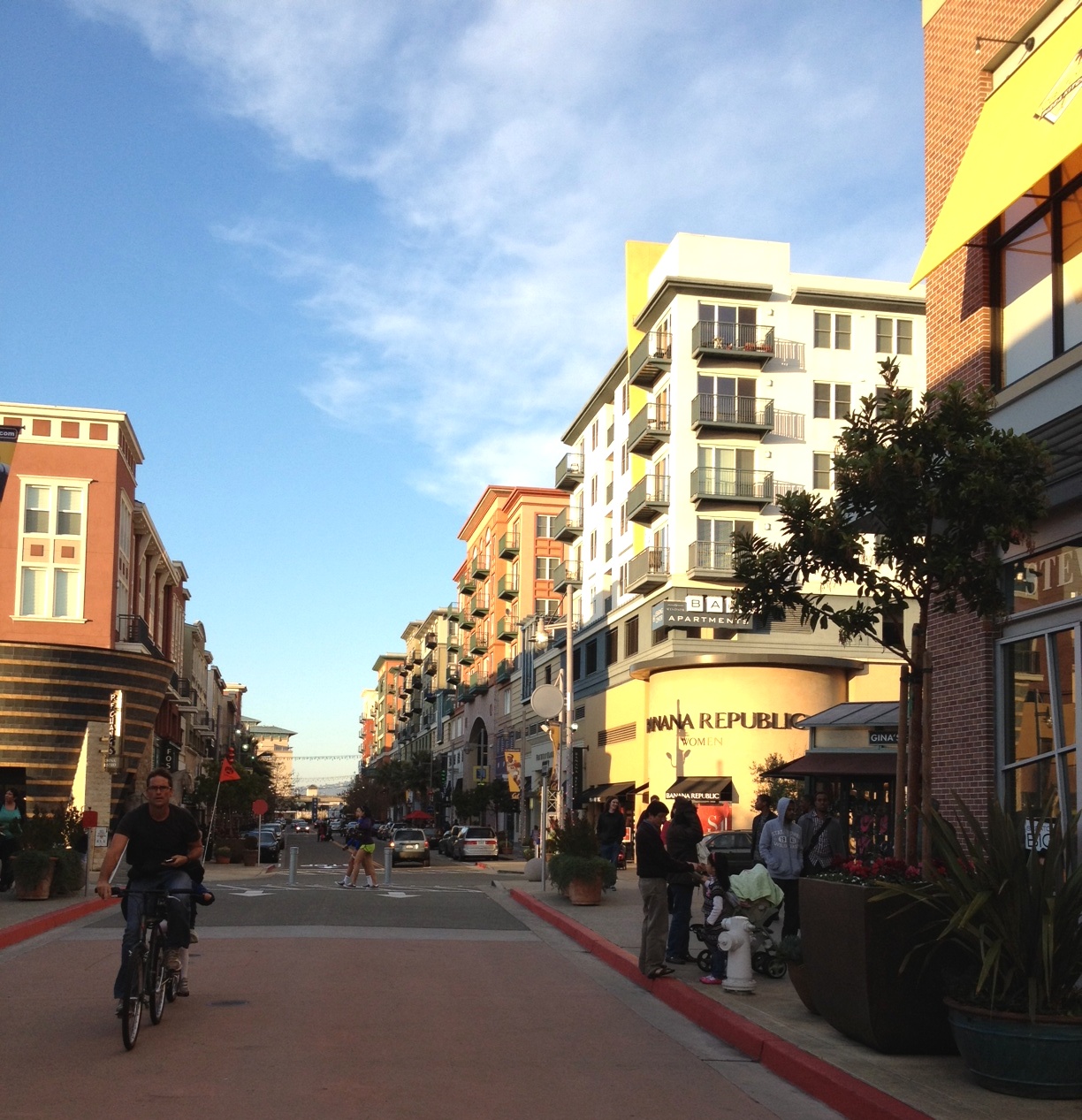
Over at the edge of Oakland, the Bay Street Mall is an urban mall with all the right elements of good urban planning–lots of shops lining sidewalks, housing above, parking hidden away in garages, bike racks, etc. (above). Yes, it all feels mall-ish and homogenous. But if you do new construction malls, this is a really good effort.

Keeping fares low

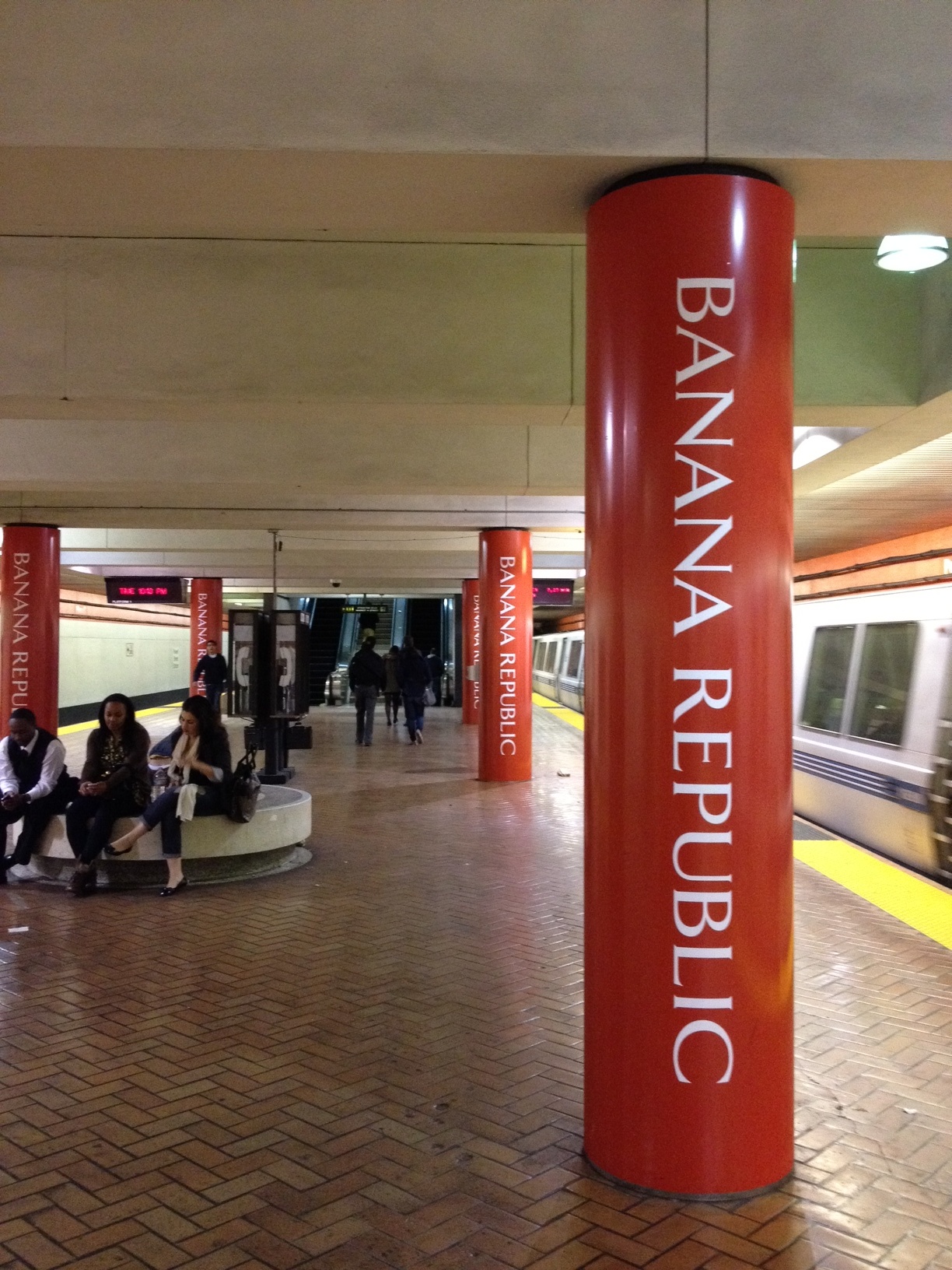
Back in San Fran, the subway system, like many others across the world, is getting creative with selling ad rights. Above is the Union Square stop, which a bit jarringly feels like the “Banana Republic” stop when you leave the train. But it helps keep fares low. And with such a relatively comprehensive transit system, I guess we can’t complain too much about corporate branding like this.

Inspired by a great trip, it’s good to be back in Birmingham, ready to work to improve the city.

It’s that time….

The beginning of a new era

…of year when we wish everyone a great holiday. We’ll be back in January.

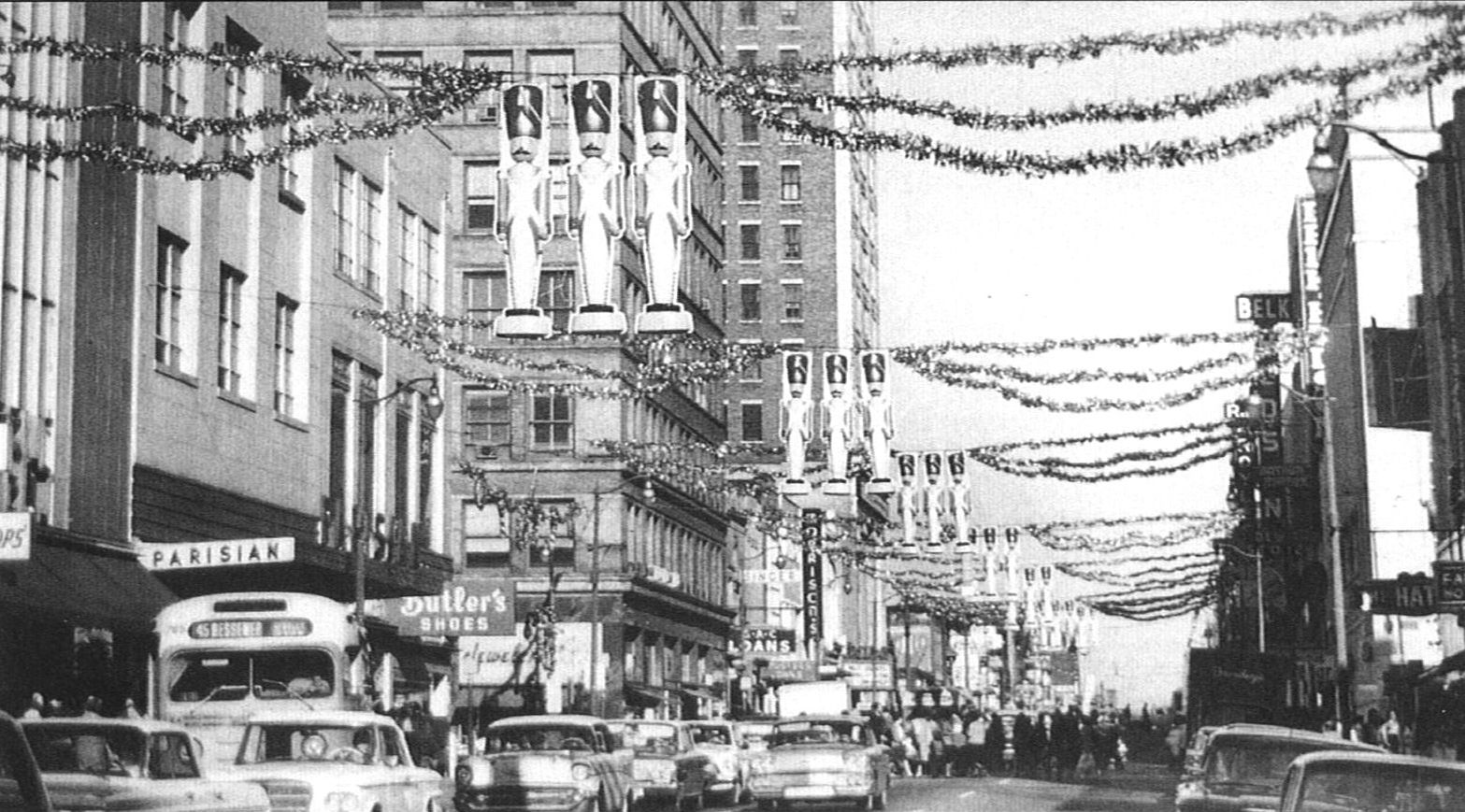
The last shot of 2011 is actually from 1963–Second Avenue North looking east from 19th Street (above). 1963 was a transitional year for Birmingham: downtown merchants were feeling pressure from suburban competitors (Eastwood Mall had opened a few years before) while the infamous Eugene “Bull” Connor finally left City Hall as civil rights protests swirled through central city streets. Downtown retailers would increasingly invest favorably in suburban branches, leaving the downtown locations to cater to lower socioeconomic classes. Over the next decades, many would leave downtown altogether.

As the City sees new life across many neighborhoods, there are still many challenges to overcome. Let’s hope 2012 brings Birmingham–and all of its citizens–much success. Cheers!

[thanks to Tim Hollis for the pic from his book Birmingham’s Theater and Retail District]