Category Archives: Uncategorized

People Power

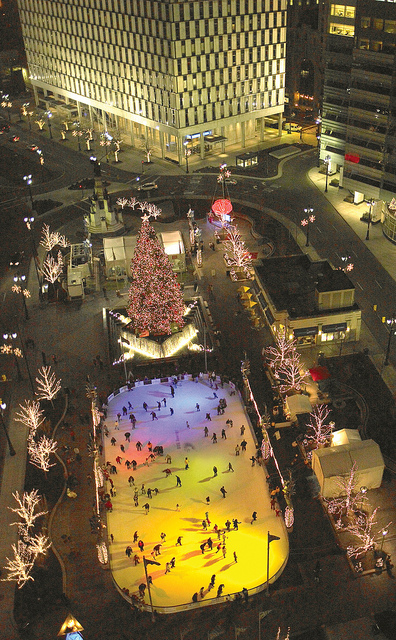
Now there's a reason to be on Woodward Avenue after 5 PM

Shown above is Campus Martius Park in the heart of downtown Detroit, MI. Opened in 2004, this public space has provided a welcome shot in the arm to the beleaguered central city. It’s an example of “placemaking”,  where citizens and stakeholders develop a vision for transforming particular spaces. These spaces in turn can catalyze the surrounding areas, and return a sense of pride and ownership to neighborhoods. Here’s an excellent article about this topic that one of our readers sent in.
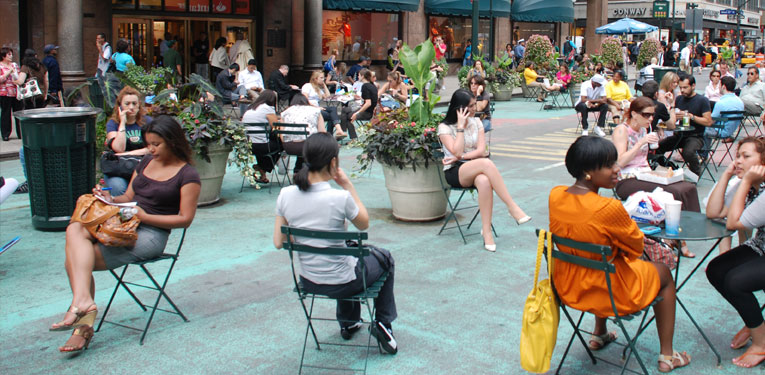
The people spoke: take back the streets!

Public input in the design of public spaces has been around for some time. But this newer approach doesn’t use the public as a filter for a preconceived idea, but rather as the primary idea generator. The process can lead to something as simple–yet revolutionary–as reusing part (or all) of a street for pedestrians rather than cars (see Broadway near Times Square in New York City above). It is amazing to be in the middle of New York–where real estate, building costs, and zoning changes are all notoriously expensive and challenging–and enjoy a great public space that’s just asphalt, chairs, and some plantings. No buildings demolished or private property acquired; no expensive design or construction costs. The people wanted to sit in the street and they got it.
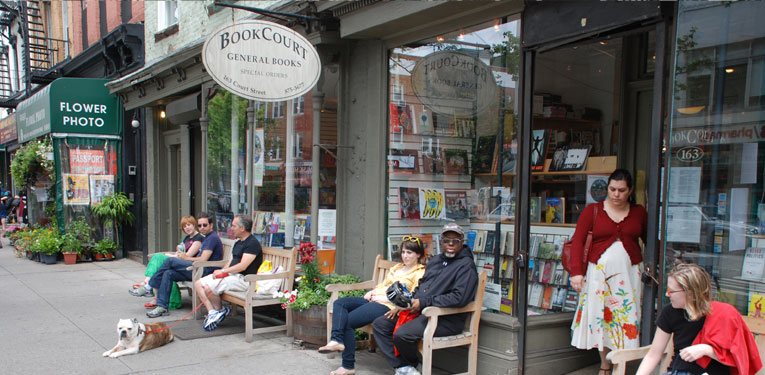
Intangible quality

The non-profit Project for Public Spaces (PPS) consults across the world to help developers and cities create great public space, with “placemaking” as a tool. As has been argued here before, every progressive city needs certain things–a modern convention center, good transit, bike lanes, mixed-use zoning, etc. But these items themselves, even when connected through solid holistic planning, don’t necessarily add up to the intangible quality that make a place memorable–drawing attention, businesses, tourists, etc. Court Street in Brooklyn pictured above, with its layers of storefronts, signage, benches, people, and dogs may do as much (or more) for Brooklyn’s image as shiny new condo towers or well-planned bike lanes. PPS helps cities, through people-oriented planning, achieve this quality of place.
It needs to be top-notch, and it needs to avoid the shelf

Which brings us to the Birmingham Comprehensive Plan: the first plan for the City in 50 years that will produce a “policy and strategic framework” that will establish a city-wide vision for the future, how to pursue that vision, and how to get started (full disclosure: your author is on the steering committee for this project). While the initial round of public hearings kicks off Saturday October 22 from 9 AM-1 PM at Birmingham Crossplex, the notion of “placemaking” will most likely be generally, rather than specifically addressed in the Plan. It  will be up to all of us, once the Plan is produced, to insist on great place-making within the individual projects suggested by this Plan.
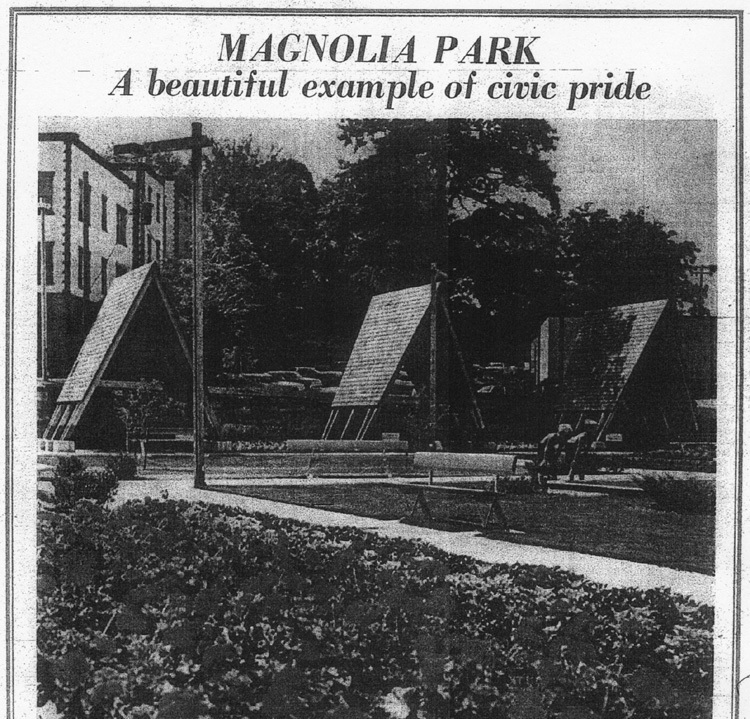
Civic pride ca. 1971--it didn't last long at this park

Birmingham, like other cities, used top-down approaches to public space for much of its existence. If you have enlightened leaders then this gets you the Olmsted Brothers Park System plan of 1924 (only partially implemented, unfortunately).  Less enlightened leadership and planning departments gave us the redesign of Magnolia (now Brother Bryan) Park, seen above in a 1971 newspaper article. Totally out-of-context A-frame picnic huts, formal reflecting pools, and ugly metal benches were the palette of that era’s City Planning Department. Today these same elements, forlorn and rotting, remain but the public mainly doesn’t care to use this park. What if, instead of the City continuing to spend money annually to keep it up, the park were turned over to a people-powered placemaking process? A vision established, a top designer similar to that used at Railroad Park could be hired to reconstruct this space. The Comprehensive Plan will probably identify Five Points South as a vibrant neighborhood with strengths and weaknesses, one weakness being this park. With the Plan as a roadmap, we can tackle this and other place-making needs around the city by involving good consultants like PPS, and designing from the bottom up, not the top down. Too many good plans have sat on the shelf in this City, from the Olmsted Brothers to the 2004 City Center Master Plan.This time around, actual implementation would be a refreshing change.
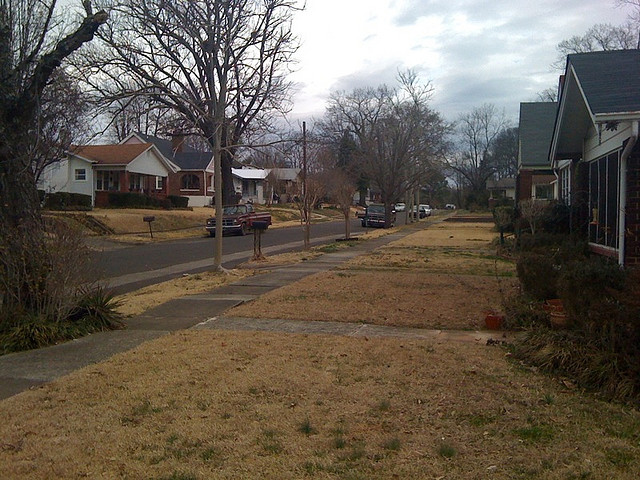
The potential for great "place" is here...

A lot of us, despite the challenges and frustrations of the City, have an intuition about the “soul” of Birmingham; the fundamentals of great place-making, we sense, are here. With the right nurturing, we just maybe could turn that long-vaunted “potential” into reality. Hey, if they can ice-skate to Christmas tunes in the middle of Detroit…

[thanks to dig downtown detroit for the Campus Martius pic; Project for Public Spaces for the NYC pics; bhamwiki for the news article; visual2 for the South East Lake neighborhood pic]
Parking, meters, technology

Free parking for now

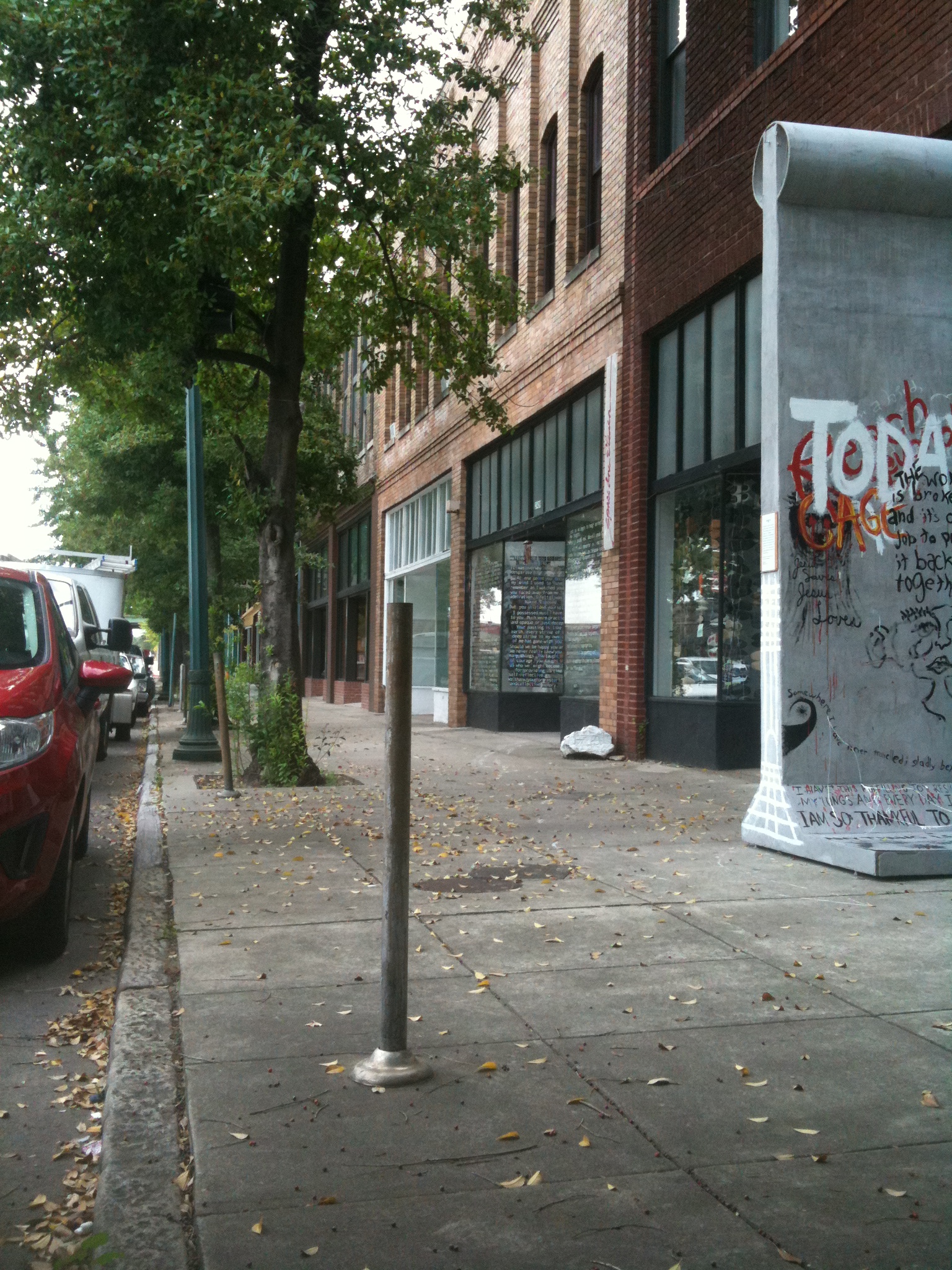
For some time the parking meter situation in Birmingham has been dysfunctional. First, rates have been among the lowest in the US for major cities, encouraging the use of on-street parking at the expense of half-empty, tax-payer-funded parking decks and lots. Second, the antiquated pole-mounted meters have been subject to recent vandalism, with the City losing large amounts of revenue (see the Weld article here). Third, the promised roll-out of new meters has taken quite some time, with loads of free parking still available a block east from us on 2nd Avenue North, for instance (seen above next to an art installation at Space One Eleven gallery).

New technology, better service

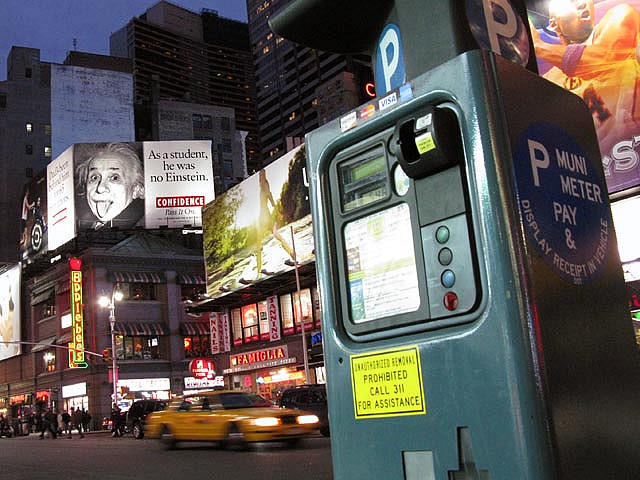
In many cities, a much more advanced technology has been used for some time to handle urban on-street parking. Electronic “pay and display” meters (such as the one above in New York City) typically cover 8 to 15 spaces rather than just one. Instead of digging for change, you’re able to swipe a credit card or tap an account from your cell phone. A screen gives you options for time amounts; a receipt is printed which you post in your windshield. They are wireless and are powered with solar panels; the City can seamlessly adjust rates, power them down on Sundays, and troubleshoot remotely. While considerably more expensive than the old-fashioned type, these advanced meters are both much more efficient, and less susceptible to vandalism.

End of an era, at least in other US cities

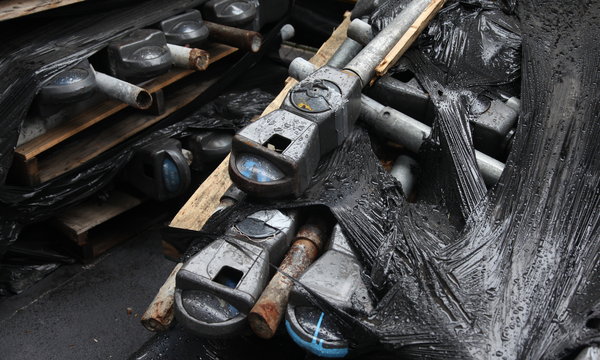
The New York Times has an interesting article on replacing the last of thousands of old-fashioned meters in Manhattan, with the rest of the boroughs to follow (meter graveyard shown above). Birmingham should weigh the cost/benefits of getting advanced meter technology–at least in certain districts–before spending a lot on older, inefficient meters that will still be prone to vandalism. It’s always a bit discouraging to visit other cities and see electronic route information on bus stops, well-designed way-finding systems, or well-designed street furniture that collectively say “we are looking to the future”. Seeing new parking technology like this here would be a step in the right direction.

[thanks to antydiluvian for the Muni-Meter pic, and the NYTimes for the graveyard pic]

UPDATE:

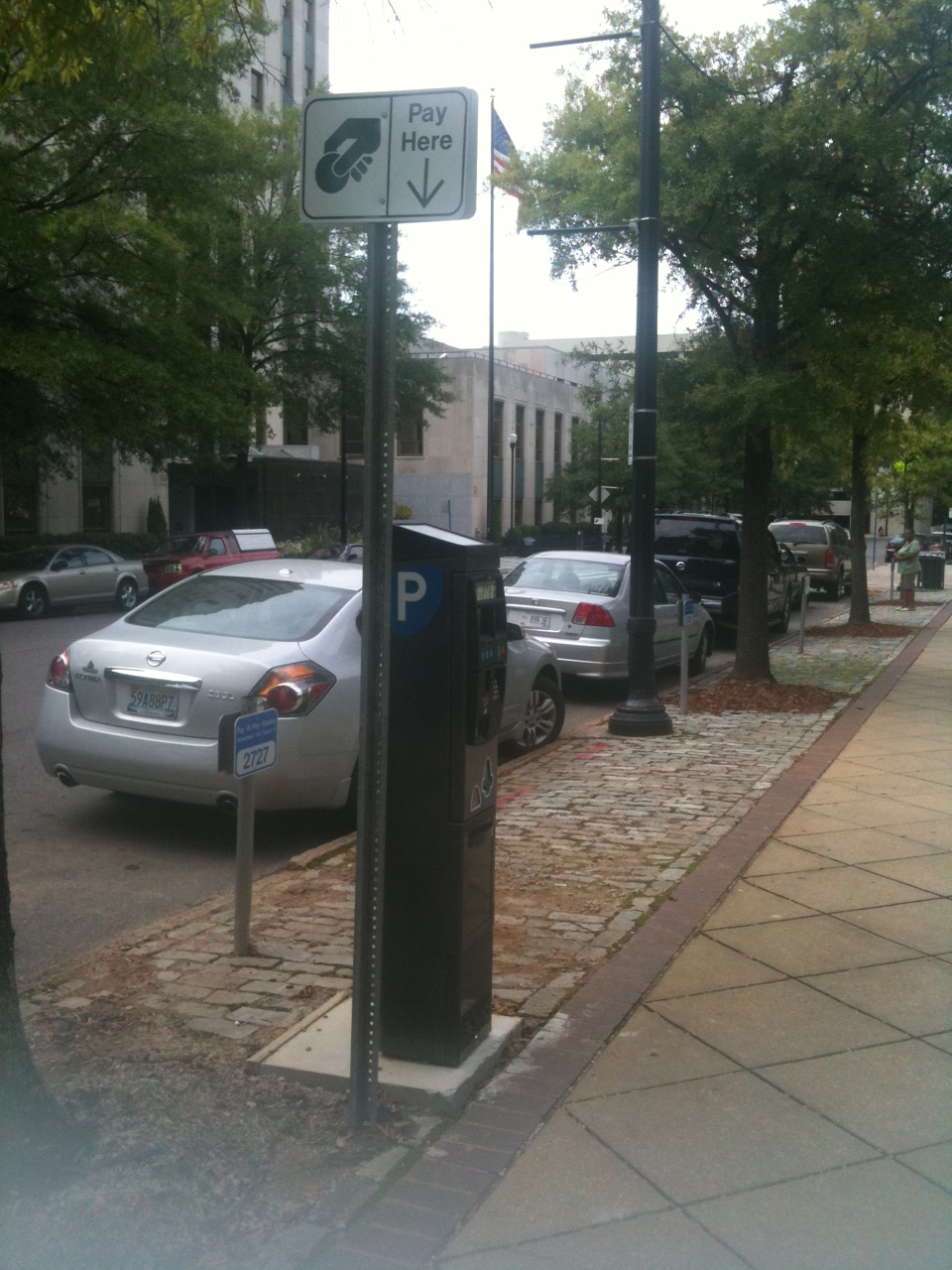
An eagle-eyed reader alerted me to the fact that Birmingham DOES INDEED have a pilot program already set up with sophisticated, solar-powered pay-and-display units on 20th Street between Linn Park and City Hall:

Coming soon across the City?

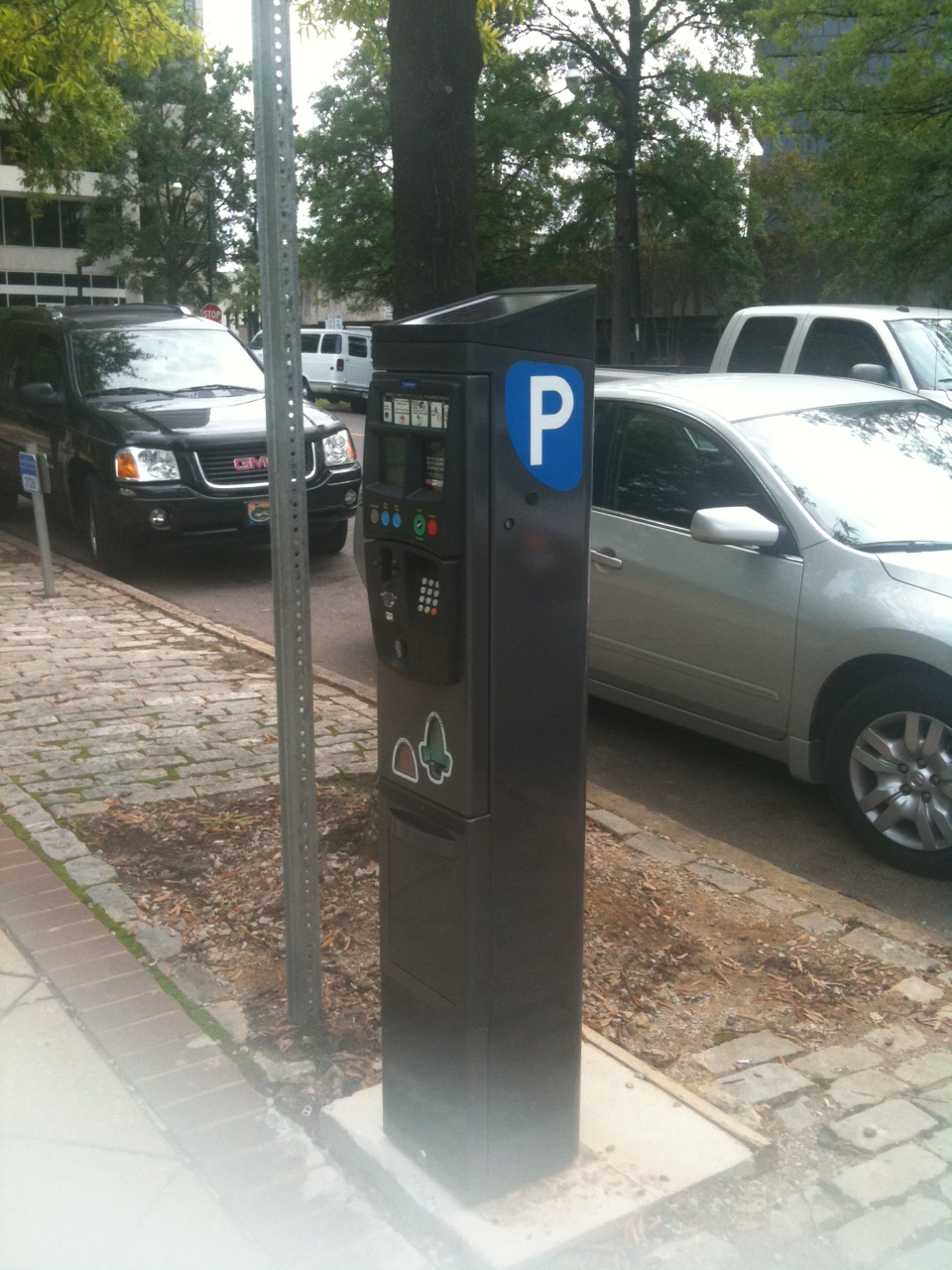
Accepting both coins and credit cards, the units (above) are in place with ancillary signage denoting parking spots. Way to go Birmingham–we hope this pilot proves successful and it can be rolled out. A closer view:

The 21st century arrives

Styling in style

Restful minimalism

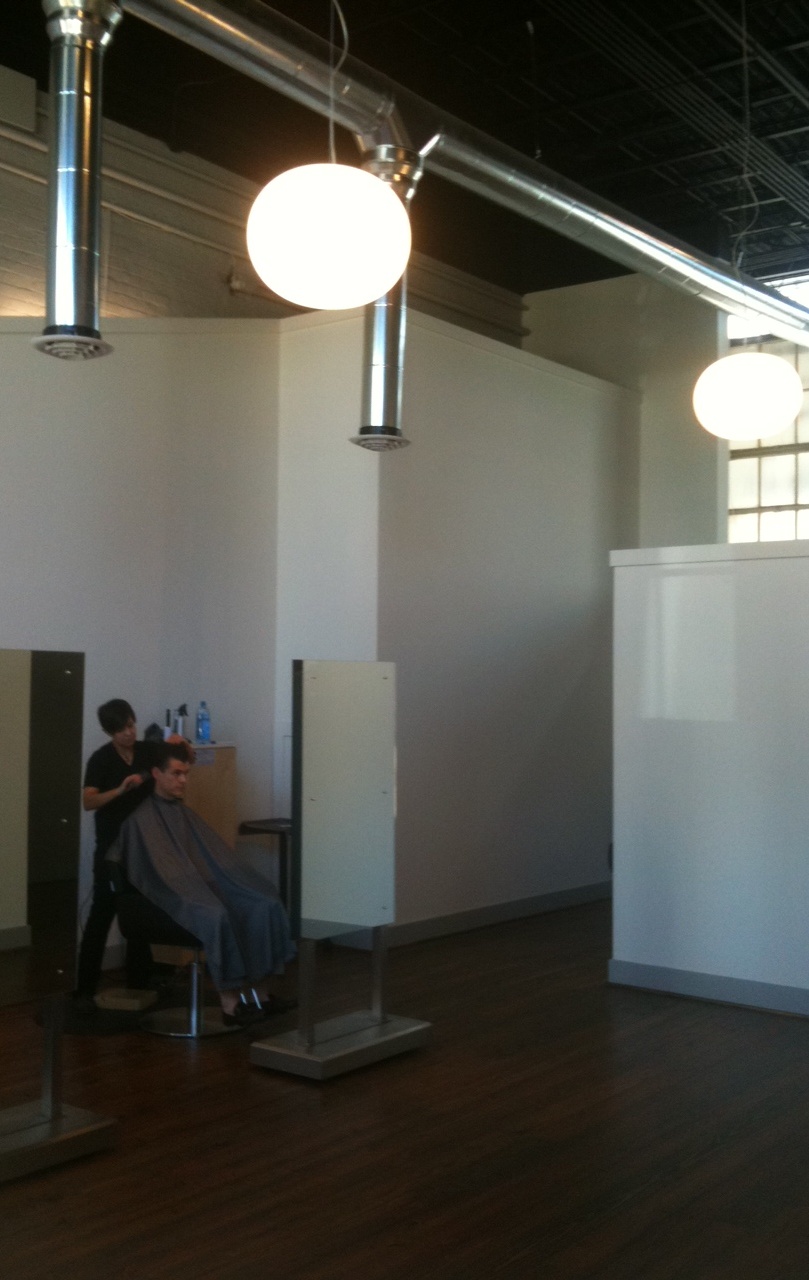
Every downtown core deserves an upscale, well-designed salon. We finally have one in the form of Click, which recently opened at Pepper Place (2829 Second Avenue South). The converted warehouse space is open, airy, and minimalist. Products are tastefully to the side of the lobby; hair is cut by black-clad stylists facing freestanding mirrors, rather than walls; clutter and noise are minimal; the color palette and lighting are simple and soothing. The best thing about this place for your author: it’s a 4 minute bike ride from home.

TOMORROW!!

Speaking of bike rides, the Green Building Focus conference and expo will be held Thursday and Friday at Cahaba Grand Conference Center. The expo is free so anyone who is interested in green building and improving our environment, plan a visit.

[thanks to Green Building Focus for their logo]

Fair Park gets a new look

Spatial indeterminacy writ large

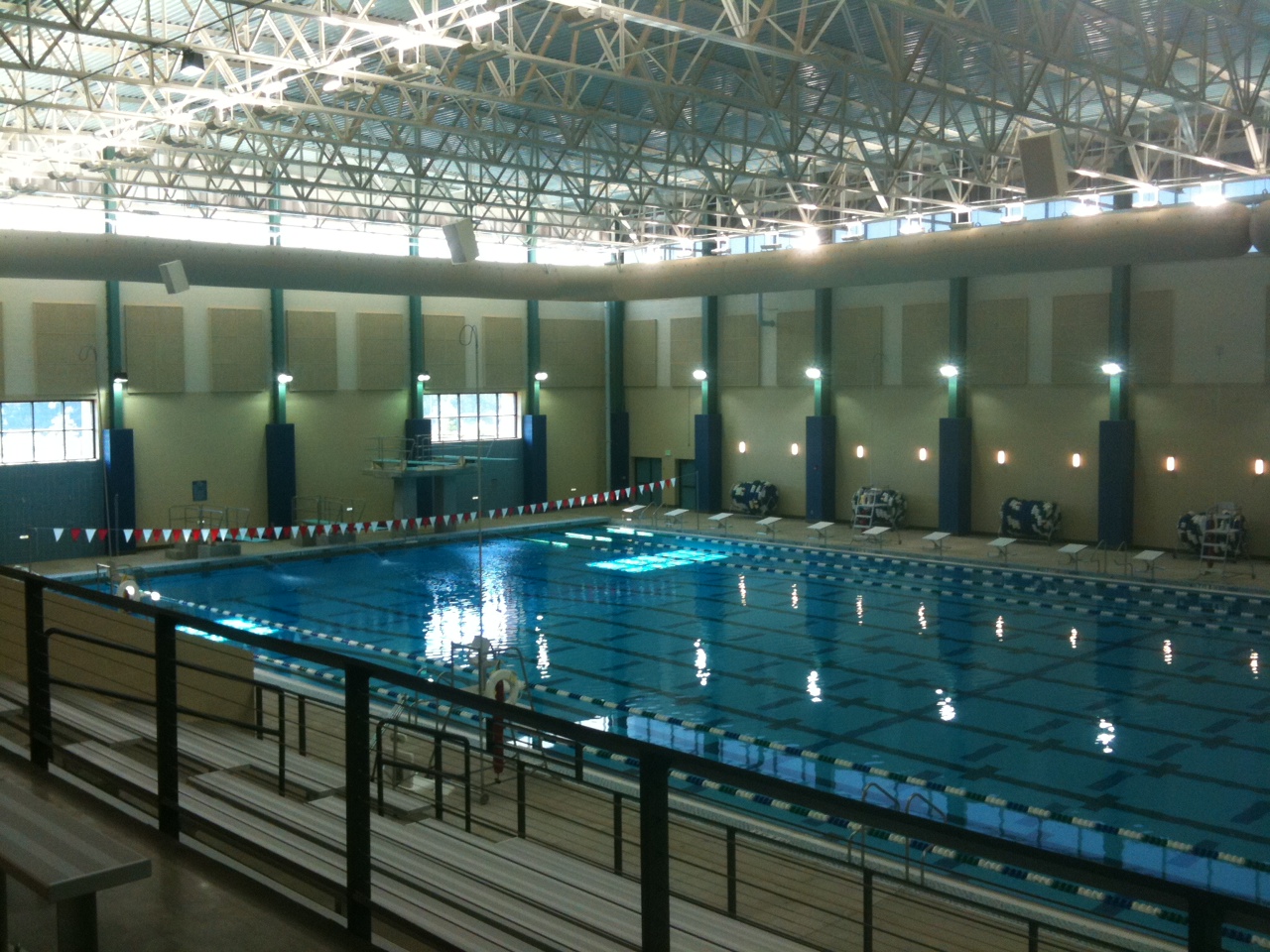
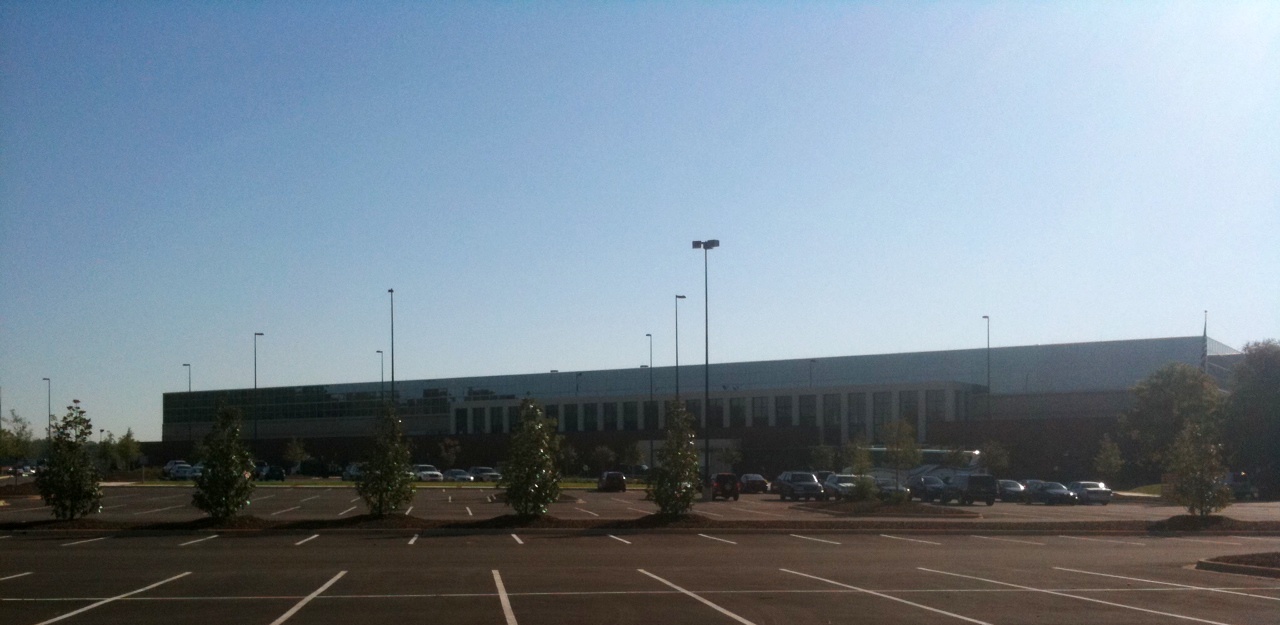
Above is the new Birmingham Crossplex (an ostensibly temporary name until corporate name rights are purchased), a large sports facility housing swimming and track facilities at the Fair Park site in Five Points West, in Birmingham’s West End. This picture is taken from Bessemer Road looking southeast across a vast stretch of open land and surface parking; the new structure itself rises towards the middle of the property. Davis Architects of Birmingham did the design.

The core amenities appear top-notch

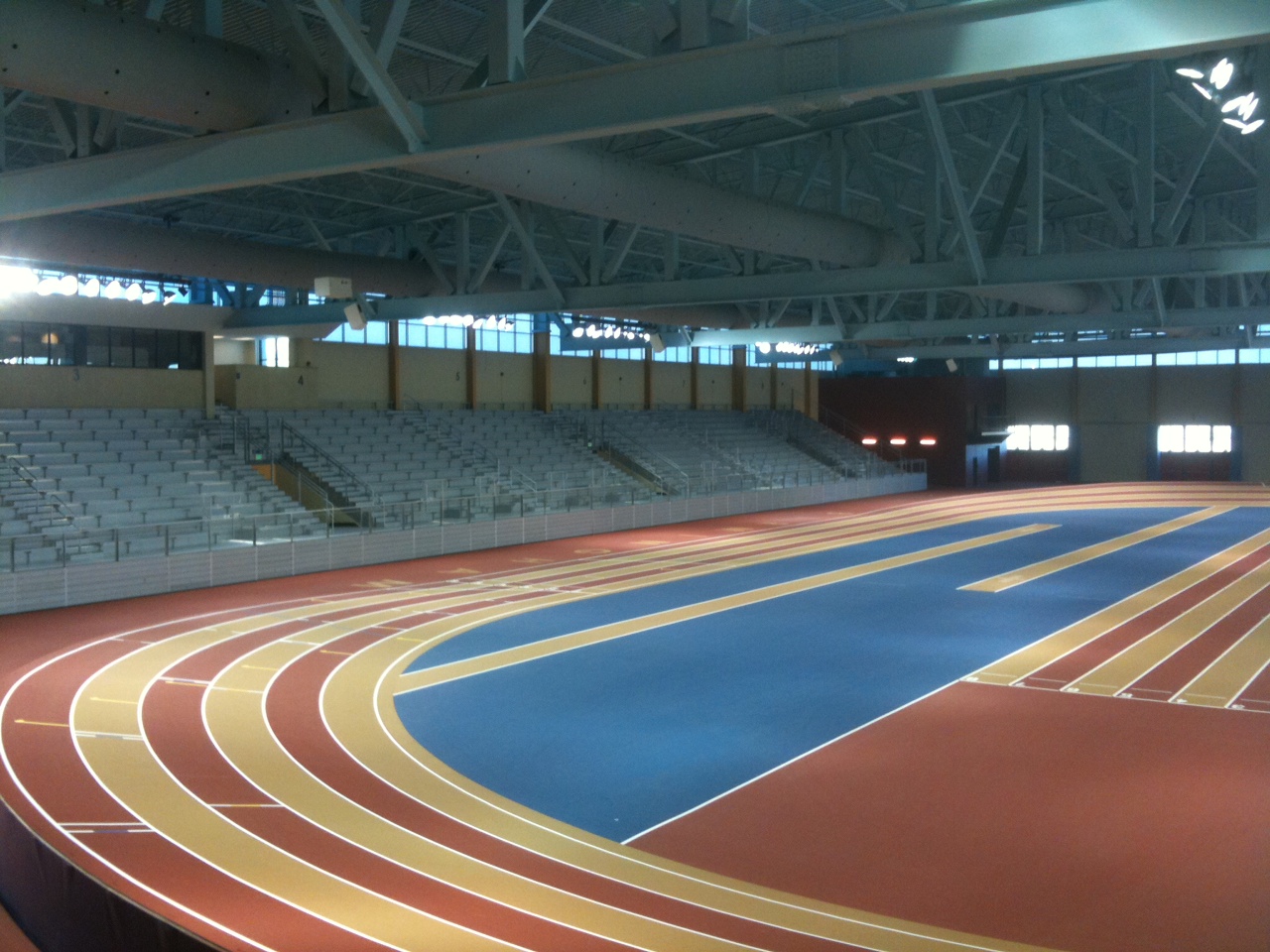
While the facility is not officially open yet, a special tour reveals everything mostly in place (the event bookings seem promising so far despite the fact the marketing department has yet to ramp up). The main pool (above) is suitable for regional and even national events, as is the indoor track (below).

There's nothing else like it in Alabama

While the size and cost of the facility are impressive ($46 million was spent), the site planning does not convey the excitement a facility like this could create. The building has no relationship whatsoever with the surrounding street grid; it’s car-oriented isolation does not encourage pedestrian access. Granted, much of the immediately surrounding context was “suburbanized” in the 1950’s with the advent of Five Points West Shopping Center and surrounding development; much of this context is now frayed and in great need of rethinking.

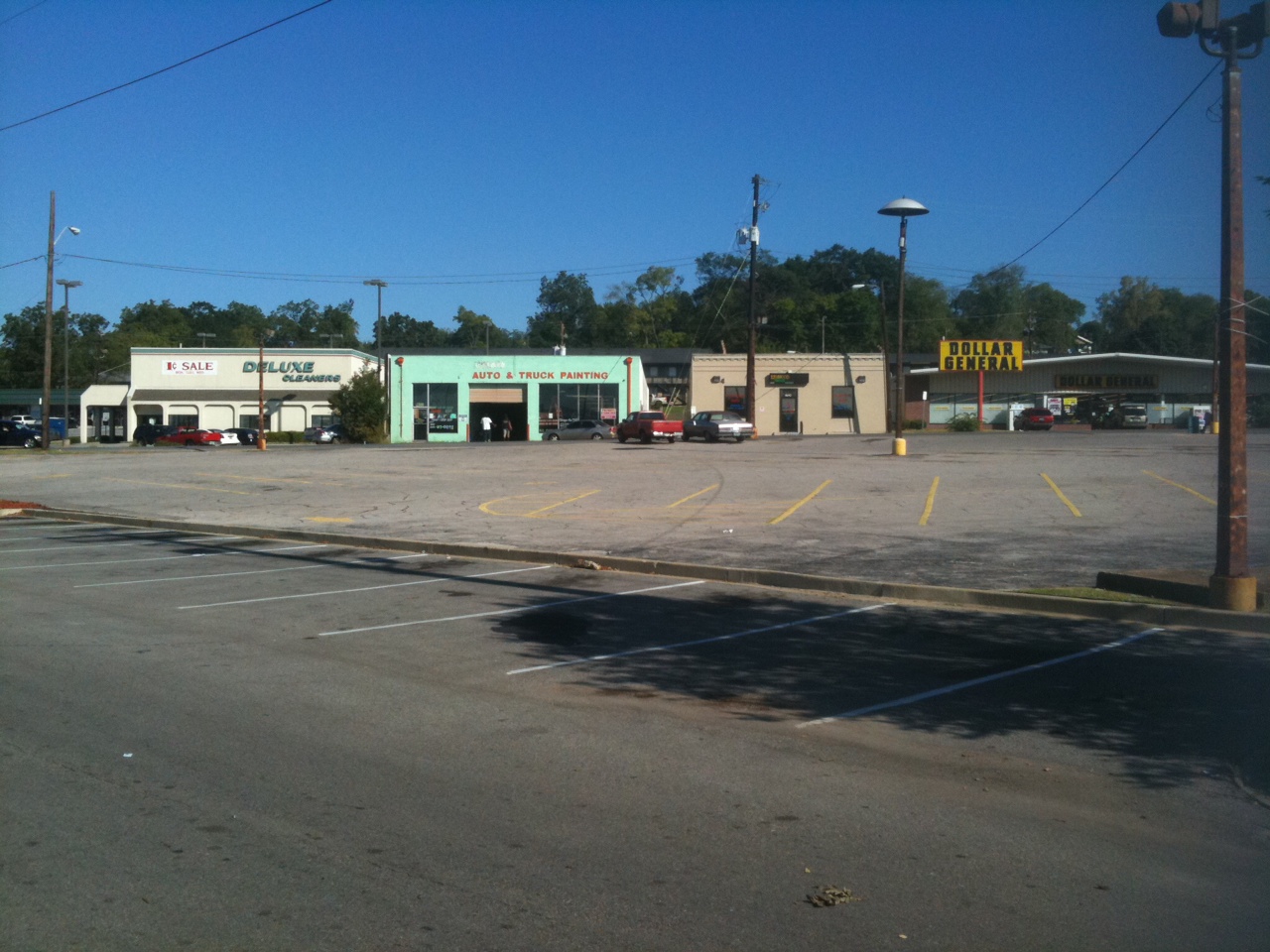
Across the street, ripe for a rethink

As seen above, the opposite side of Bessemer Road presents a dated existing condition:  more surface parking, underused buildings, a hodgepodge of fast-food outlets and drive-through lanes. The approximately 85 acres that remain around the Crossplex itself are to be developed as retail, hotels, and restaurants at an unspecified time–presumably when the market demands it. This should be a chance to use progressive urbanist principles that would redeem the Crossplex’s current siting, redesign the surrounding context, and develop a reinvigorated 3rd Avenue linking this sports facility to the new baseball park and Convention Center downtown. We received international-caliber design at Railroad Park. We should expect no less in West End.

Could be helped by thoughtfully designed surroundings

The main facade (above) has no major hint of the world-class sporty activities within. Some really innovative landscaping and super-graphics would be welcome to help project more vibrancy.

Do sports happen here?

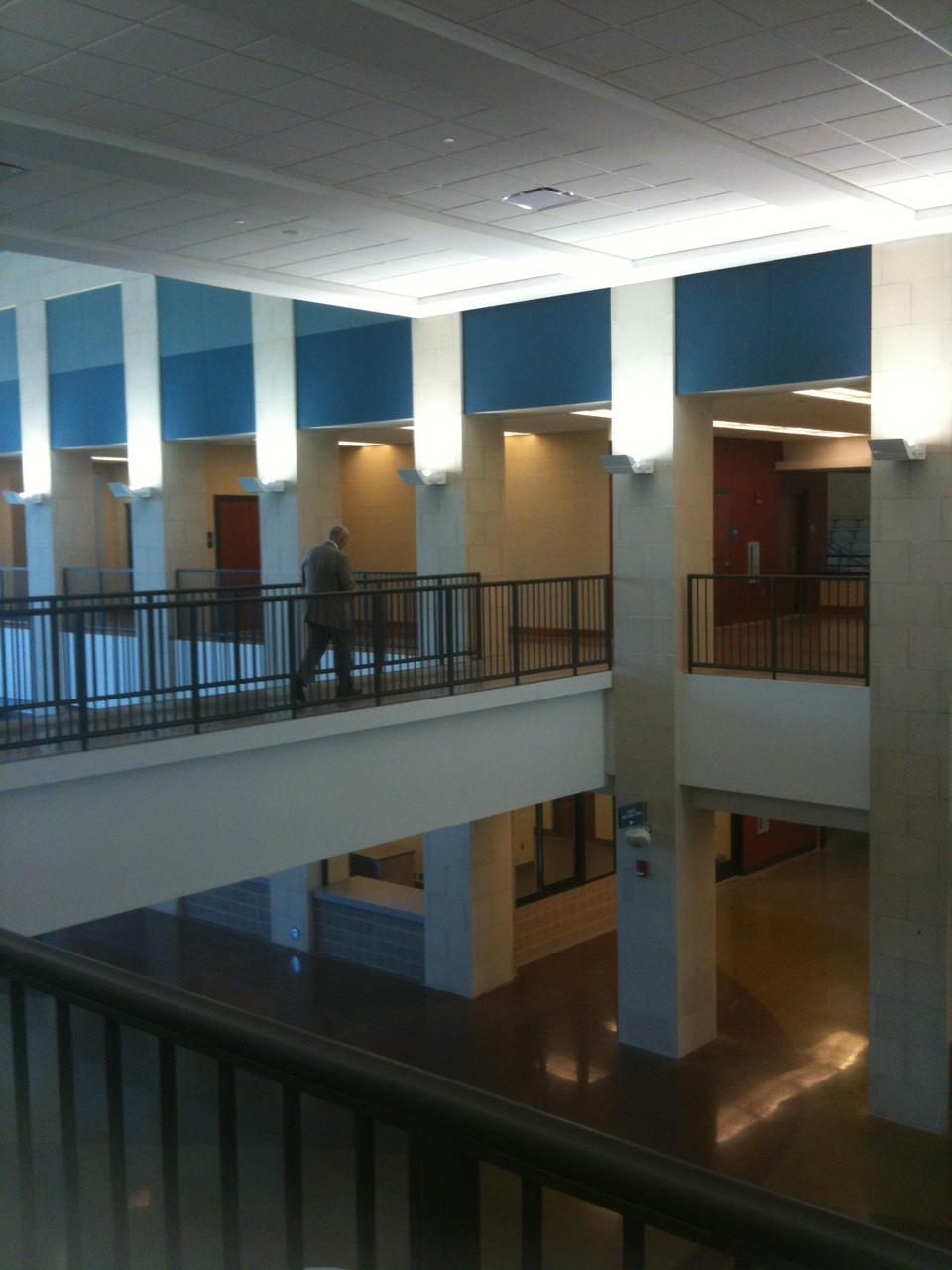
Likewise the interior (main foyer pictured above) seems functional, and it feels like a very nice public high school might feel; but I was hoping it would rise to the level of a cutting edge sports facility in terms of its form and detailing.

OK so we don't have this budget, but we can still get creative

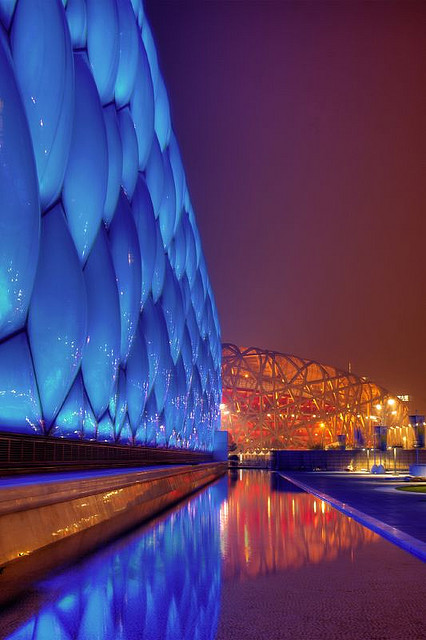
Perhaps we won’t be hosting the Olympics in Birmingham anytime soon, despite the former Mayor’s wish to do so. But if this City continues to develop a strong reputation for hosting and supporting sporting events, and invests significant dollars in facilities and promotion–there’s no reason why we can’t demand innovative designing as you see in the Aquatics Center in Beijing (above). And to best revitalize West End, we need a thoughtful master plan that replaces suburban-style principles with pedestrian-friendly, mixed-use planning.

We love the increased interest in sports and recreation in various recent projects around the City and the potential this brings for the local economy and tourism.

Bring us your A-game.

[thanks to alphafish for the Beijing pic]


Art + downtown = genius

Opening eyes and expanding the mind

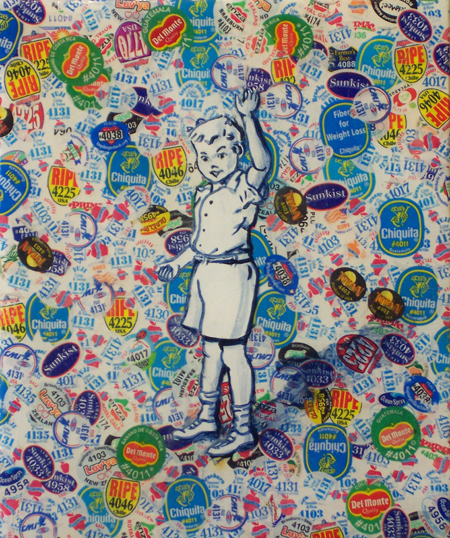
Tomorrow (Sept. 9 at 5 PM) is the start of Artwalk, the annual downtown art event that showcases dozens of artists and brings thousands to the streets. In conjunction with this (free!) event, we are hosting “FAIRYtales”, a show of Larry Anderson’s work at our studio, 2332 Second Avenue North next to Faith Skate Supply. Beta Pictoris gallery has arranged this great show; please stop by to check it out!

[thanks to Beta Pictoris for the image of Anderson’s work]

Mixed blessings

Outwardly healthy

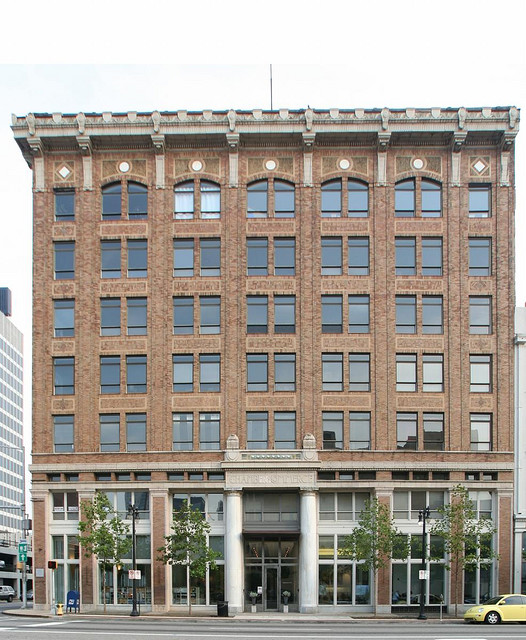
Yesterday there was an advertised notice in the Birmingham News that Jemison Flats, the luxury mixed-use apartment building housed in the former Chamber of Commerce building on the 1900 block of First Avenue North, has been foreclosed and is up for auction. It is item #659 visible at this auction link, with a minimum bid of $2,275,000 (a seemingly very low figure).

This is a sobering example of the continued turmoil in real estate markets: while outwardly successful, full of happy residential and commercial tenants, hidden aspects of the project financing probably became an issue over the last few years.

We have worked on several plans for exciting projects, downtown and otherwise, that are on hold indefinitely due to lack of financing. While interesting, small-scale projects that are mainly owner-financed are thankfully still occurring, and very large-scale institutional projects (hospitals) are also occurring–there’s a huge swath of potential that’s not being realized right now. Hopefully these projects–and the Jemison Flats building– will get back on their feet as soon as possible.

[thanks to argusfoto for the pic]

Urban infill and slight of hand

Re-forming a street edge

Much has been written in recent years about the emptying out of the City core, with precipitous population drops, huge amounts of vacant housing stock, empty, weedy lots, and all the economic/social consequences. The neighborhood directly north and west of the Civil Rights Institute–once filled with housing–has long been emptied out, with large tracts of unused/underused land within blocks of the CBD. Cohen Carnaggio Reynolds has designed a new office/training center (above) which will mercifully fill some of that land on the 1400 block of 6th Avenue North. Independent Living Resources is the owner; they provide services and advocacy for disabled people. It would be wonderful if housing and more mixed-use developed in this area.

Aye, welcome to Philadelphia

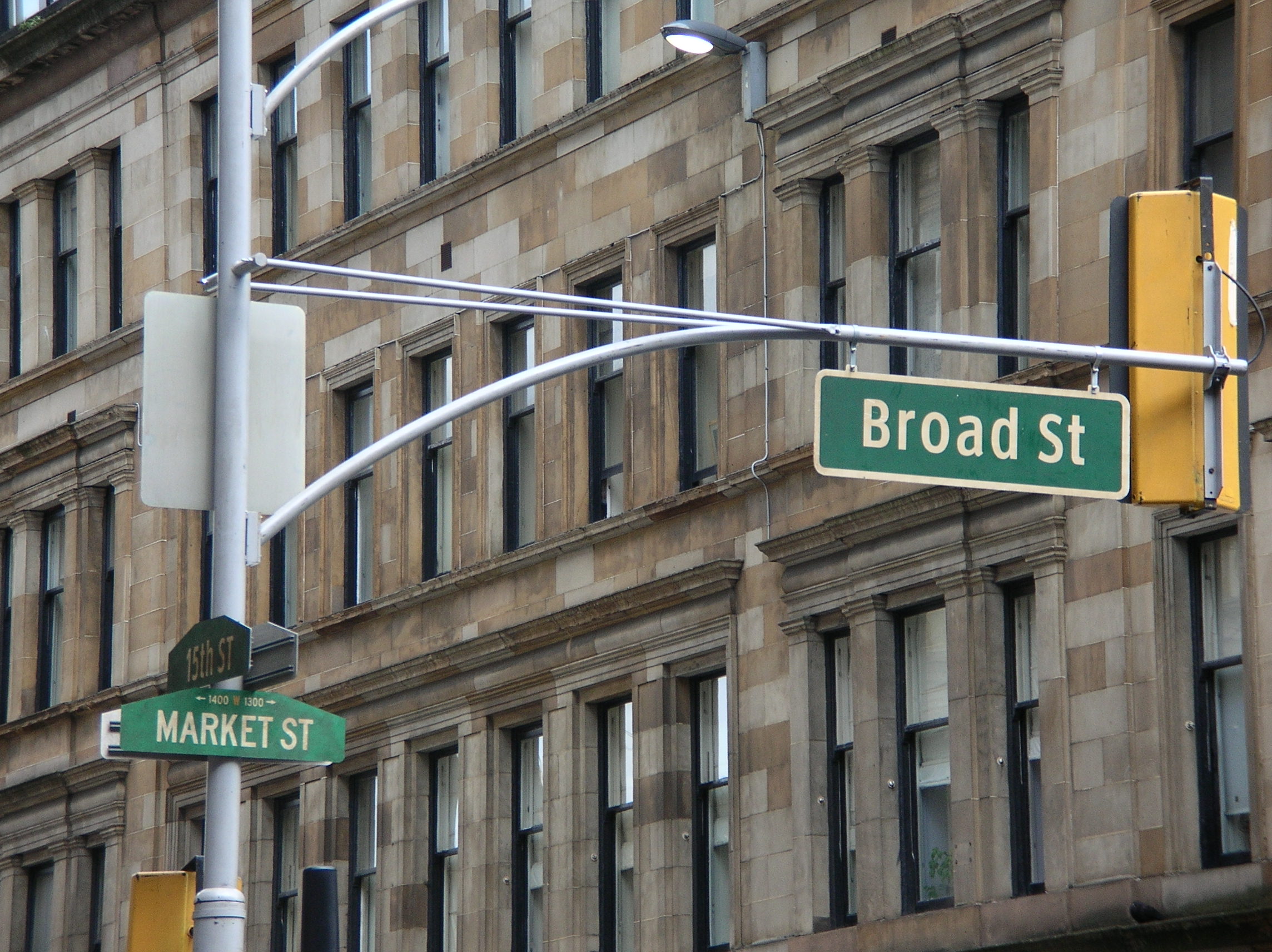
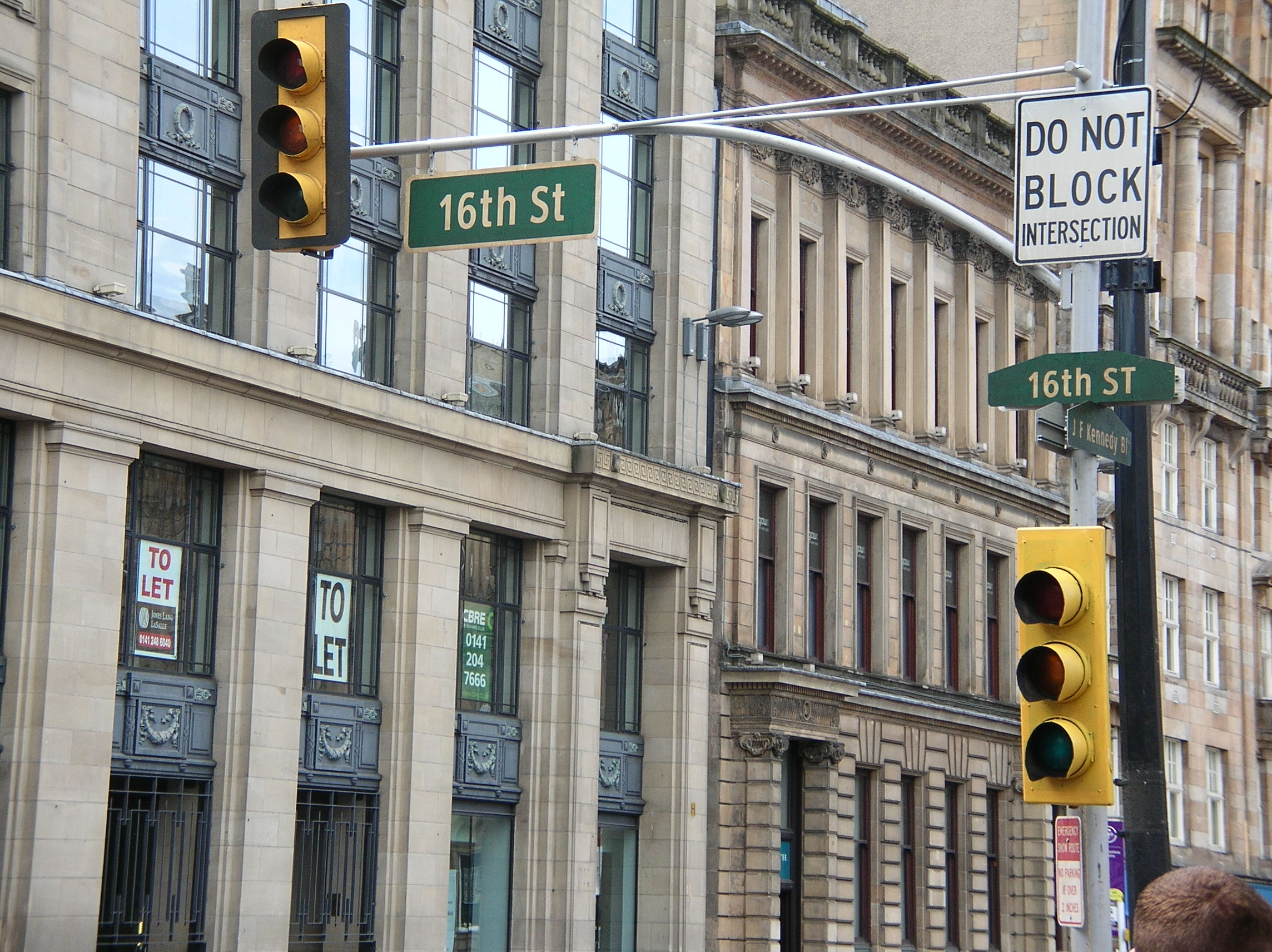
On a lighter note, a good friend from Glasgow, Scotland sends these two pictures from her city, where Brad Pitt is currently filming a movie set in Philadelphia. Supposedly Glasgow was chosen in part because of its rectilinear street grid which mimics Philly’s. Fake American-style street signs and stop lights were erected to create the illusion.

The devil is in the details

The well-trained eye will notice the “To Let” signs left in the windows–the Scottish equivalent of “For Lease”. Perhaps the calculation is that the audience will be so focused on Pitt and his antics, no one will register this tell-tale sign. Or perhaps they’ll be digitally altered later. Regardless, a fascinating look at how, with a few signs and traffic lights, one city can (almost) transform into another.

[thanks to Cohen Carnaggio Reynolds for the rendering]

Good neighbors

And the times they are a changin'

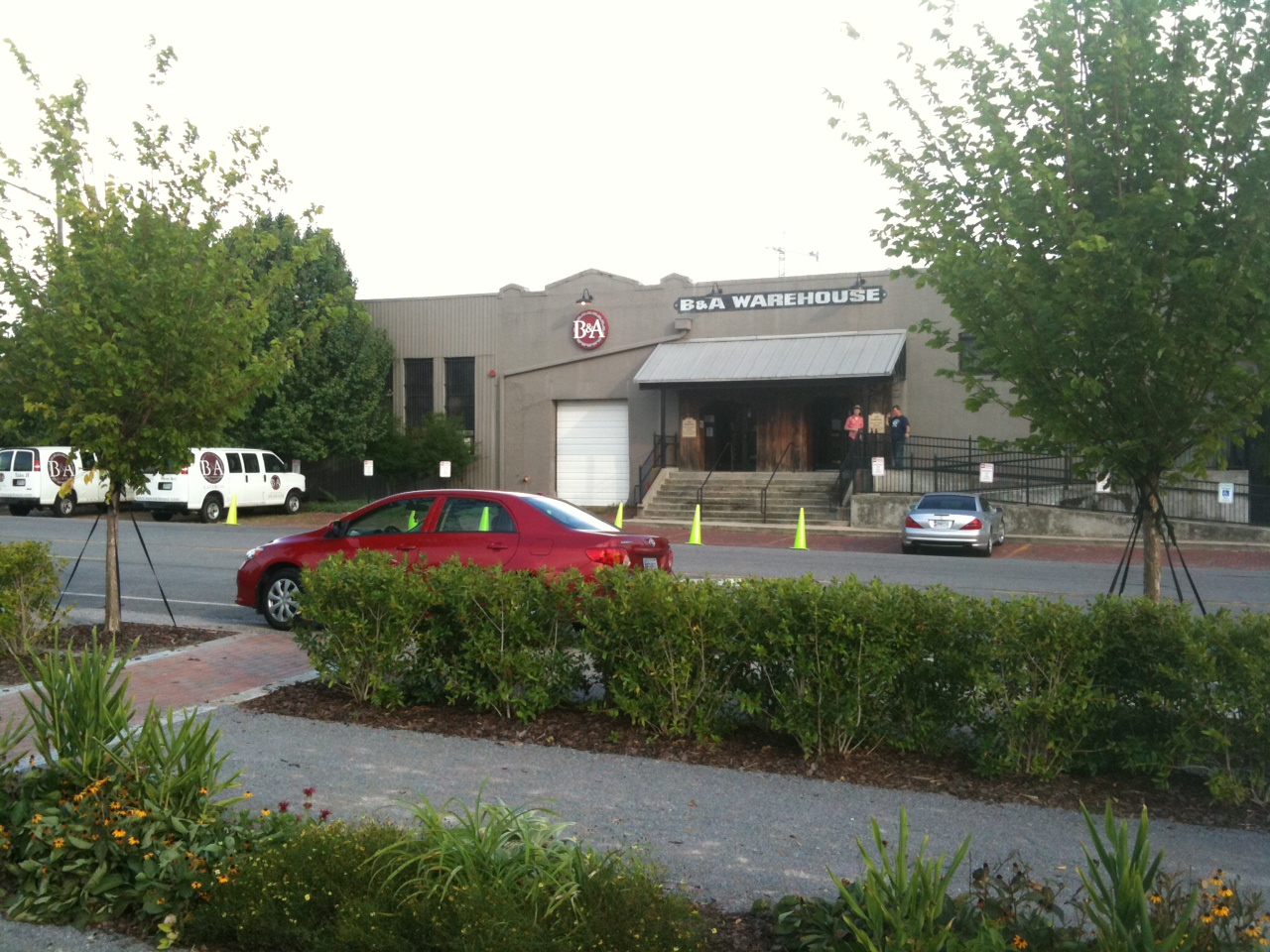
There have been several recent reports about the one property holder (Bill Mudd) in the proposed multi-block Birmingham Barons’ downtown ballpark site still refusing to sell to the City (see News article about City Council approving the terms of the land agreement). Presumably Mudd, the owner of the B&A Warehouse, which contains an event and catering business under the same name, is hoping for a better deal. The City would prefer not to use eminent domain to acquire the property, but would like to have a coordinated, holistic development of the entire site with no exceptions. Is there a compromise?

As seen in the photo above taken from Railroad Park at First Avenue South, the warehouse in question, while indeed old, does not really contribute to the vitality of the street. This is an illustration of urban change: 5 years ago, when it faced a weedy lot and there were no other nighttime/public uses around it, it felt like a pioneer breathing some life into the area. Now that a large public park has opened in place of the weedy lot, and more public amentities are being planned, the building is not measuring up to its locale. Iron bars hide the few windows facing the park; a loading door and large ramp flank the entrance. The events that take place are private, catered affairs–not open to the general public–and thus are not ideal for a business fronting a public park.

One solution is for the City to agree to let B&A stay, but with a renovation, where a street-side cafe (that could also serve the ballpark) is carved out of the park front, with new plate glass offering transparency and openness.  The renovation would engage the building with the street, the park, and the ballpark. Perhaps the Negro Leagues museum proposed could be built into/above a portion of the warehouse.

Another solution, if B&A was not interested in the above, would be for it to relocate into one of a myriad of similar old warehouses this City is blessed with. There is no intrinsic or unique value to the building they have now, and B&A has proven that people will come to visit regardless of whether their location is edgy or facing a fashionable park.

Hopefully both parties will reach an agreement, with the overall good of the new neighborhood at heart.

Give us a sign

Small, well-designed, yet somehow controversial

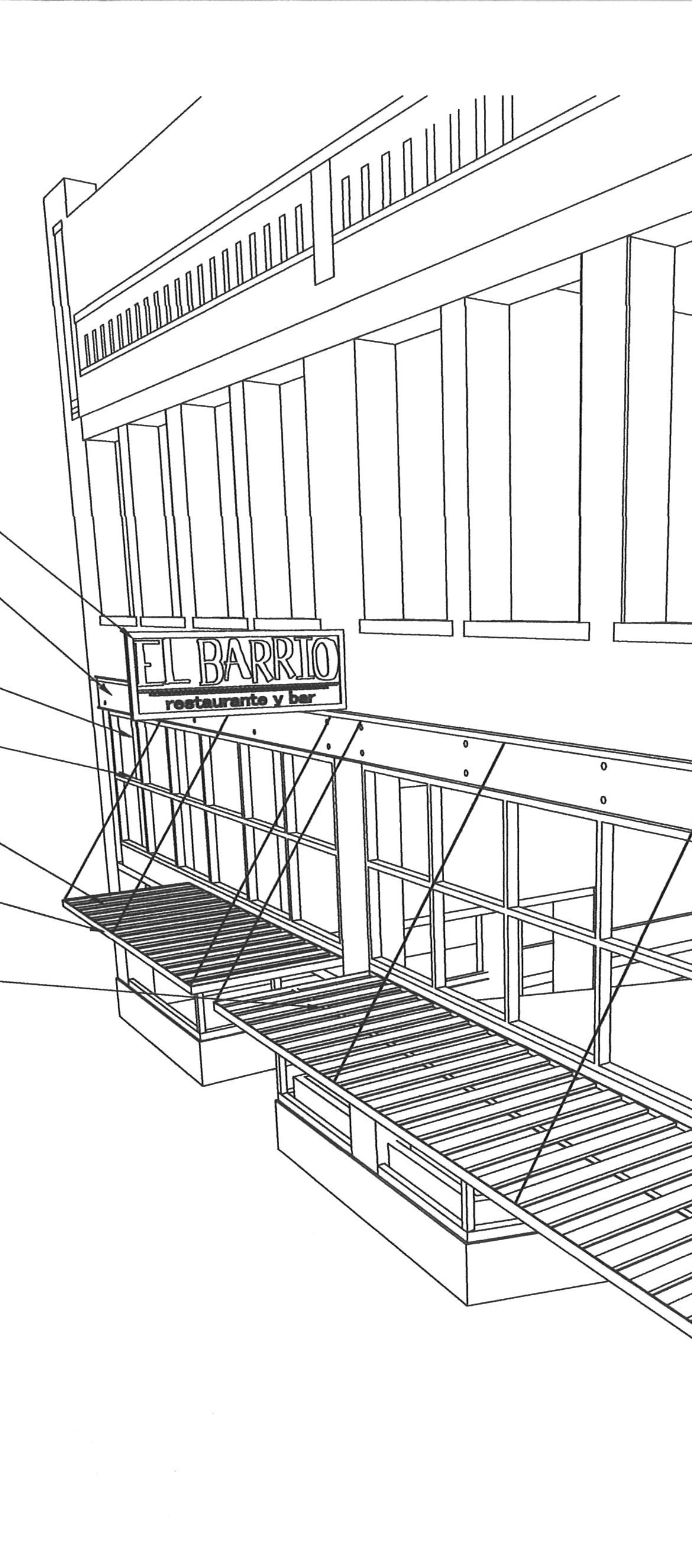
As reported in the last post, the Design Review Committee refused to vote on the proposed projecting sign advertising the new El Barrio restaurant in the 2200 block of Second Avenue North (sketch shown above). The Committee has been gradually giving more support over the last 10 years to projecting signs, which became symbolic in the 1970’s and early 80’s of urban “blight” and “messiness”. Back then, urban planners and designers tried to eliminate this type of projecting “blade” sign, and replaced them with surface mounted signage which mimicked retail signage you’d find in enclosed suburban malls–a fashionable  paradigm at the time.

Squeaky clean and miles away from urban woes

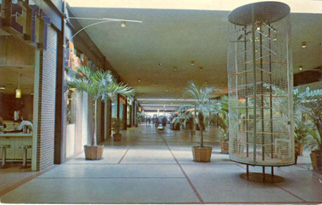
This suburban paradigm (illustrated above in a 1960’s photo at the original Eastwood Mall in Birmingham) was a product of strict control: malls are private enterprises, and signage along with other aesthetics had to conform to specific guidelines. Color, size, illumination, font, and verbiage were all subject to approval. This was different from the situation in older urban cores, where a lack of control over multiple ownerships resulted in a great diversity of signage. Historically, projecting signs to draw attention to businesses were a fundamental part of the visual landscape.

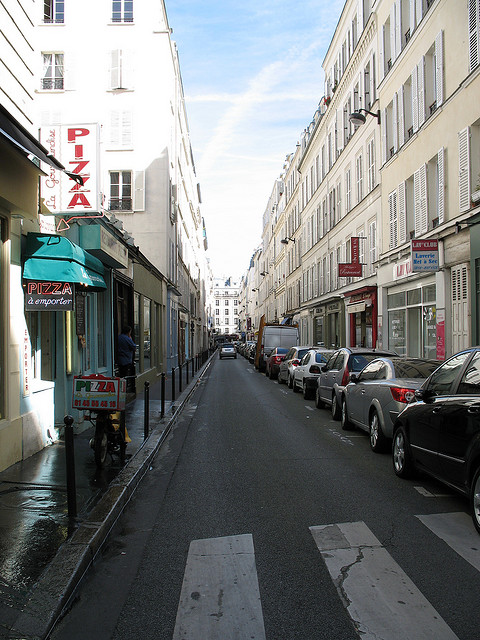
Haussmann's streets get color and variety in part through the signs

Even mundane signage (like that above in a narrow Parisian street) enlivens the pedestrian route down a street, alerting you that “something of interest” lies ahead. It also acts as a traffic calming device, making drivers slow down a bit as their peripheral vision takes in the signage around them.

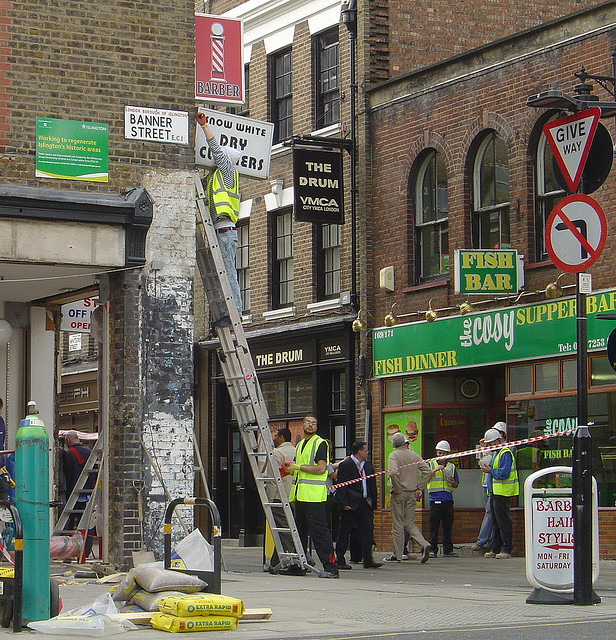
The all-important sign repairman

More functional signage is seen at this London intersection above. Imagine this same scene without the projecting signs, and some of the charm disappears.

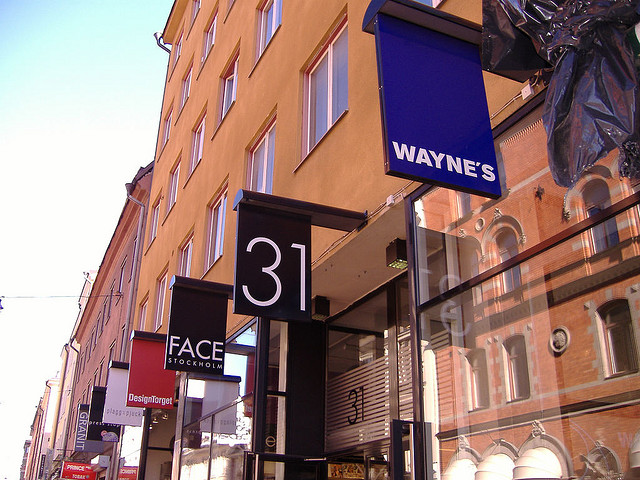
Good projecting signs encouraged by Swedes

Above is a development in downtown Stockholm, where the developer insisted that all retail tenants have well-designed projecting signs, which share a size and good graphics, but otherwise are distinct and eye-catching.

Part of a successful commercial street = projecting signs

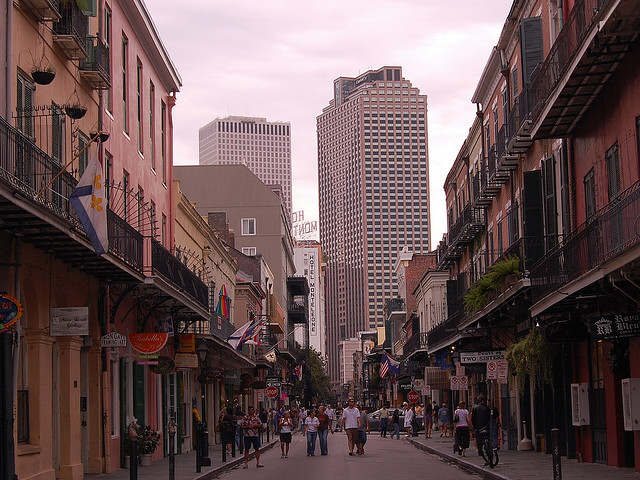
Closer to home, another historic street is Royal Street in New Orleans, whose proliferation of signage is part of a recognizable fabric–and one beloved by many.  Historic districts like this today encourage–even mandate–the use of tasteful, well-designed projecting signs because their value as an intrinsic part of the street experience is appreciated, and has been (explicitly) for years now.

Is anyone there?

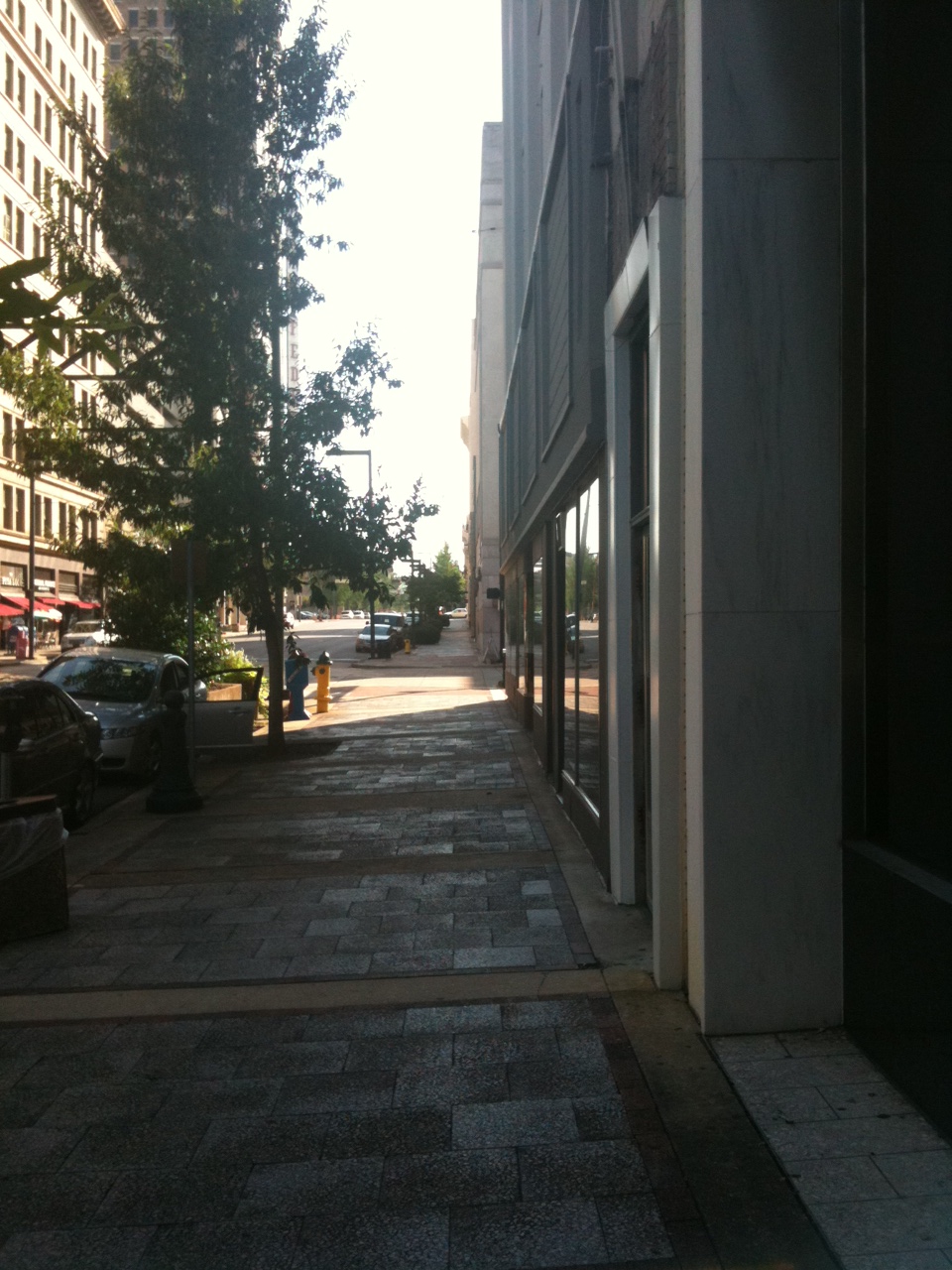
Contrast the vibrancy of the previous photos with the above image of 2nd Avenue North in downtown Birmingham, looking east from 20th Street. The lack of projecting signs (or awnings, or cafe tables) makes for a lifeless, dull, less-than-enticing prospect. Unless you are very familiar with the street and know where you are going, what stimulates you to explore? Not much. A lot of this is the result of Birmingham traditionally making it difficult, since the late 1970’s, to erect projecting signs.

A beacon on 2nd Avenue

Fortunately, as mentioned earlier, Design Review has been a bit more supportive each year in the last decade of approving projecting signs, to the point where–much to my relief–I’ve grown to count on them for approving projecting signs, as long as they’re thoughtful and tasteful (above is the projecting sign we designed for the Phoenix Building loft project back in 2005, which provides a welcome bit of light and whimsy on an otherwise distressed piece of street–note the ruined sign box across the street which has been in that condition for a decade). This is why I was quite surprised that the relatively small, non-illuminated sign for El Barrio received a lot of criticism, using as a reference point an early 1980’s argument about sanitizing the streetscape. It felt like a time warp.

Help me find my caffeine

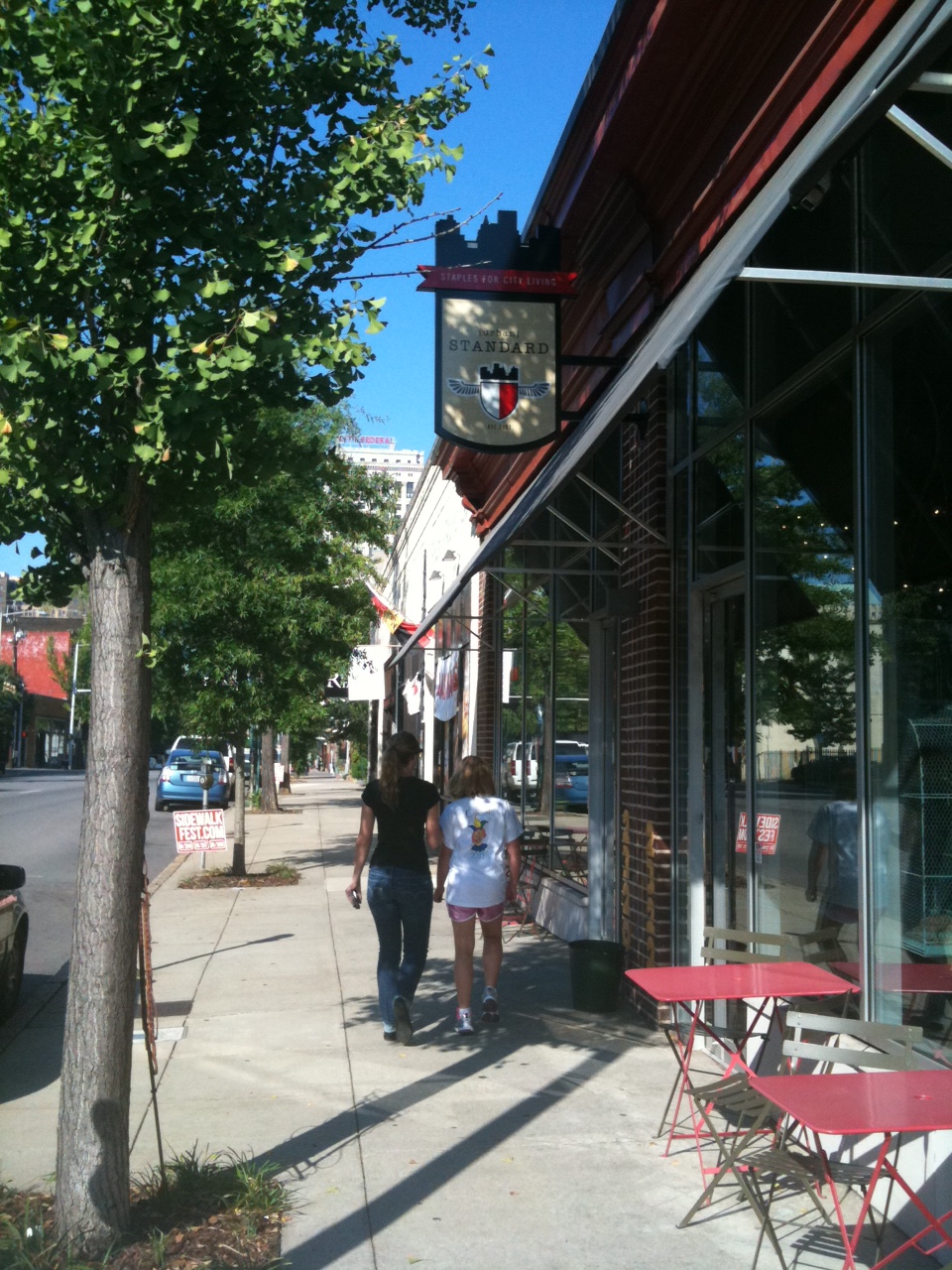
A recent approval for a projecting sign was for Urban Standard, just a block down the street from El Barrio (above). This popular coffee shop wanted to clearly show pedestrian and auto traffic where their business is, and this sign works well. The busier this block has become, the less likely people park in front of a business–they often walk from some distance, or park on another block. Projecting signs are an excellent way to orient visitors and residents alike. I have personally witnessed visitors to this block with Urban Standard hesitate before crossing to the next block–they squint, looking, literally, for a sign of interest: is it worth our while to keep walking? To connect El Barrio with the energy of 2nd Row, people need that visual connection. The sign needs to be approved.

We need more!

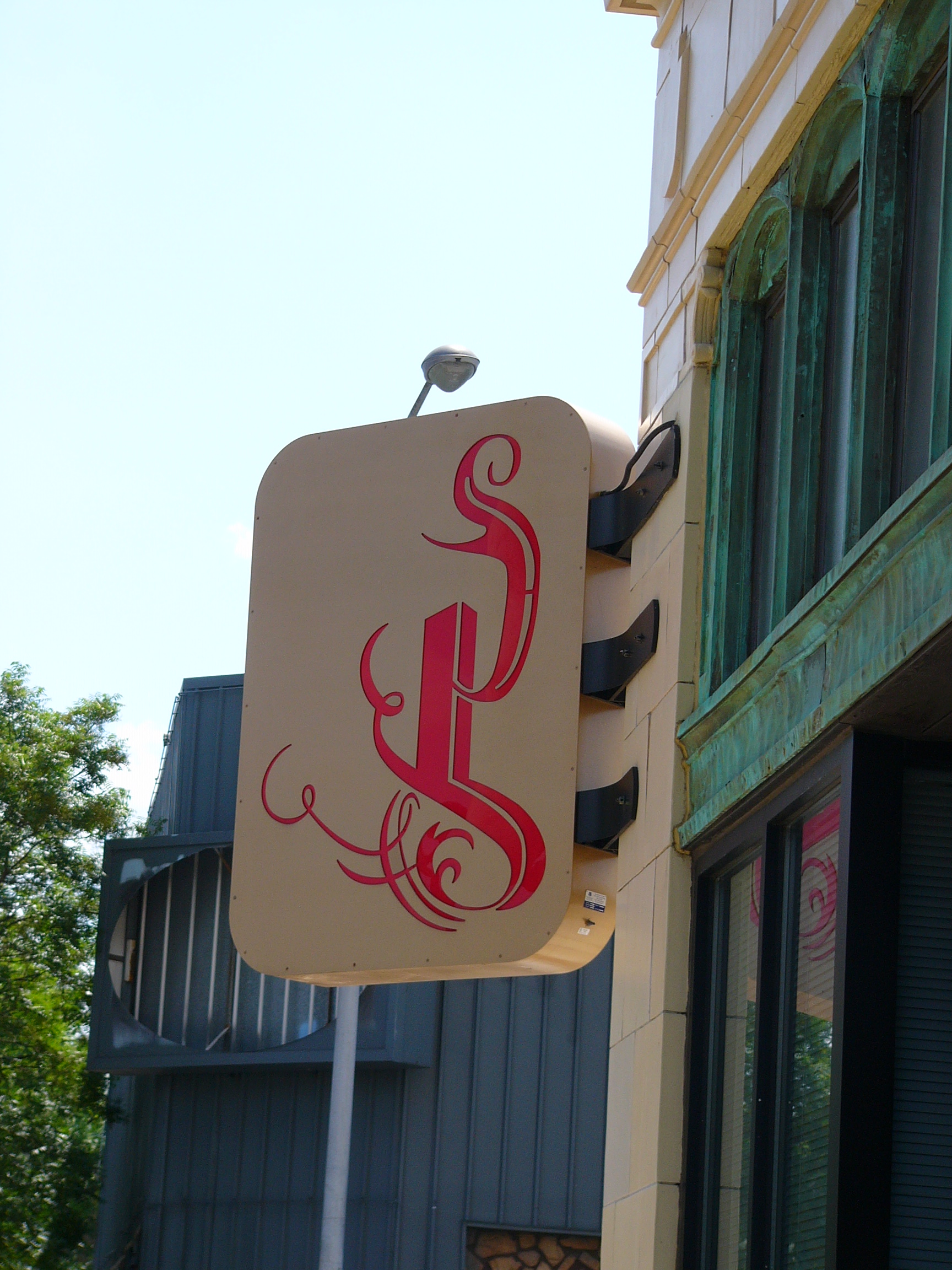
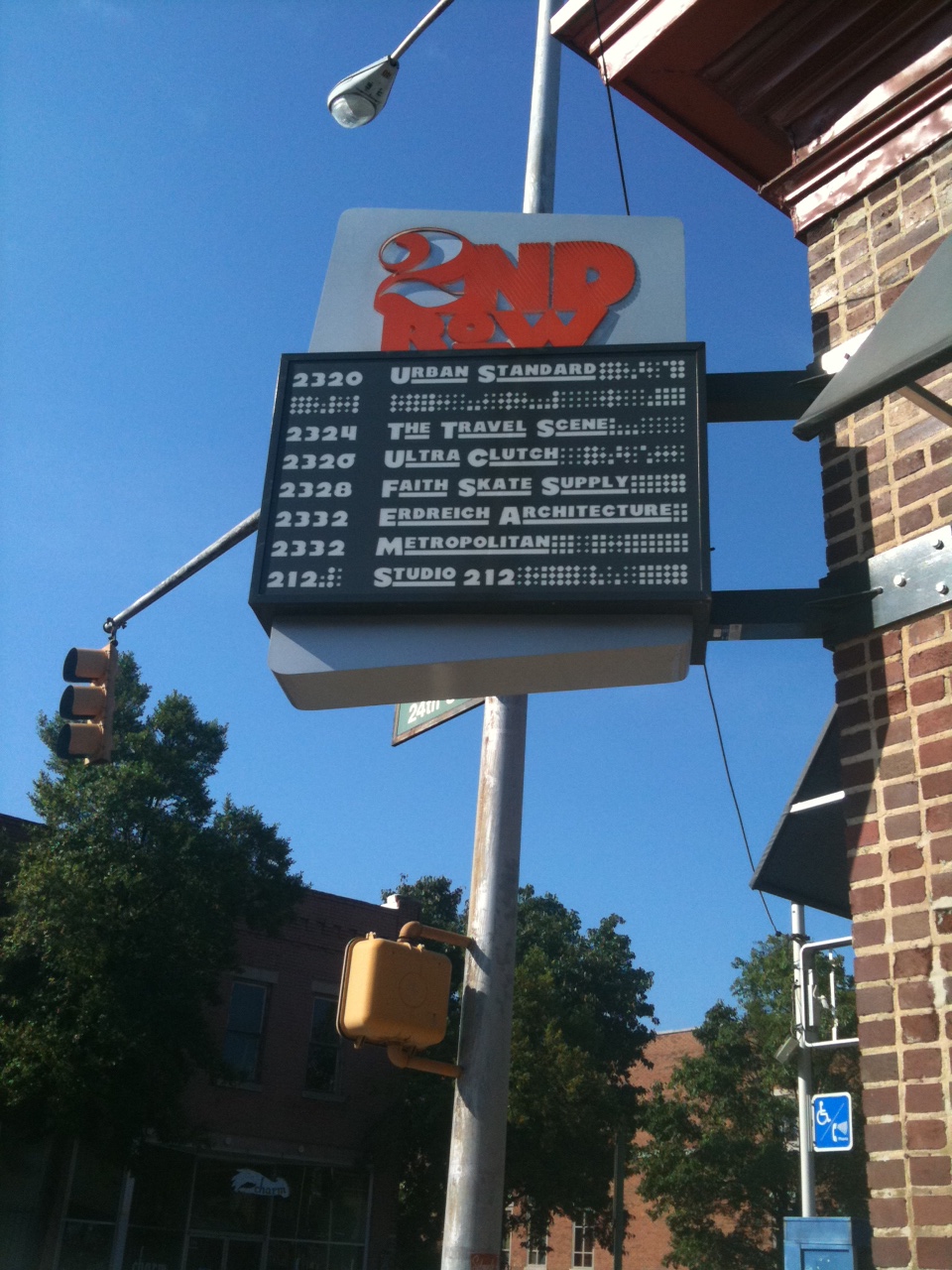
Projecting signs (the 2nd Row sign we designed in 2007  is above) are crucial to any healthy urban street environment. They can be expensive, and time-consuming to install (the City legal department has made it more difficult to get the final permit for anything projecting over a public way, beyond approval of Zoning or Design Review). If a business owner is willing to put time and money into a well-designed sign, we should be encouraging them to do so to enhance our built environment, rather than discouraging them by using outdated, suburban-inspired principles from 40 years ago. I hope the applicant will make another case for the sign, and get approved next time. To anyone interested in improving this town, it’s a no-brainer.

[thanks to Appleseed Workhop for the sketch; akeley for the London pic; Matthew Zimmerman for the Stockholm pic; Jon Barbour for the Paris pic; MVI for New Orleans pic; birminghamrewound for the Eastwood Mall pic]

Five points possibilities

A big change

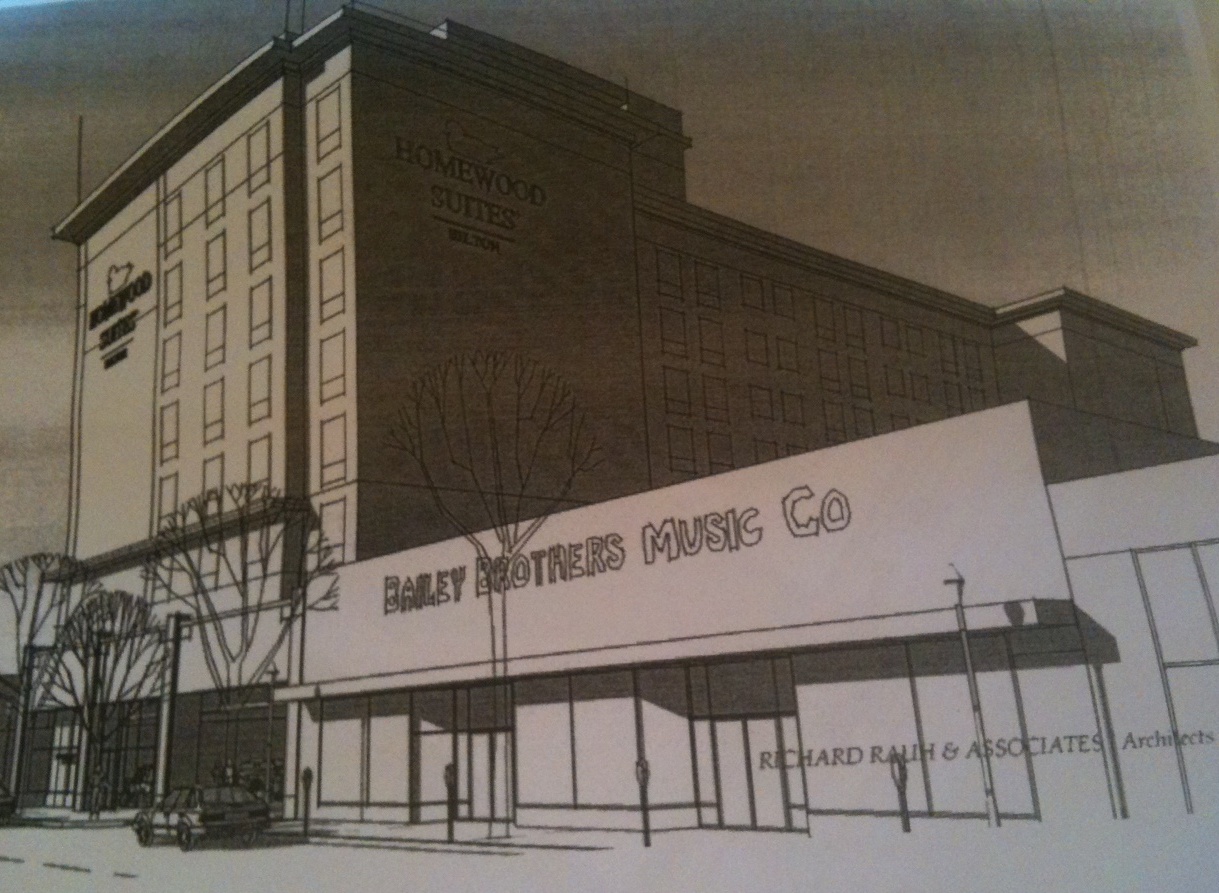
This morning at Design Review Committee conceptual approval was given to a plan for a new 7-story hotel to be constructed where the former Five Points Music Hall sits on 20th Street in Five Points South (older readers may remember this art deco building as a Piggly Wiggly grocery store, directly to the south of Woolworth’s, itself now Bailey Brothers Music). Richard Rauh, an Atlanta architect, presented early sketches of an imitation stucco tower rising above the original facade, whose glass has been removed and whose storefronts now serve as  a porte-cochere for auto traffic.  Please note this design is in very early stages, and the applicant will return probably several times to the Committee as the design progresses (concept sketch shown above).

From show windows to exhaust fumes?

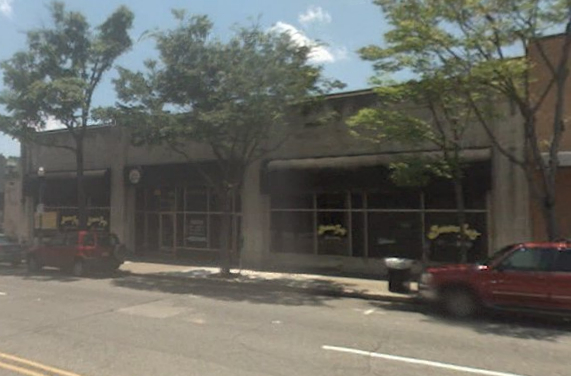
The current facade, pictured above, has streamlined limestone detailing. While it’s commendable that the facade is being retained, in this instance it’s a shame that one of our most pedestrian-friendly streets would lose storefronts and gain a car-oriented use (and a curb-cut). The tower itself, in the early sketch, is a typical Homewood Suites you’d see out on the interstate somewhere. The Committee, while giving preliminary approval, stressed they’d want to see more urbanity/finesse in the new structure. It’s exciting (and perhaps surprising given the economy) that there’s demand for more hotel rooms here, given the new hotels that have already opened in the last few years in this area. It’s less exciting that a hotel can’t use a storefront for lobby and bar (like the indie Hotel Highland across the street), but instead turns inward and feels very auto-oriented.

Getting closer

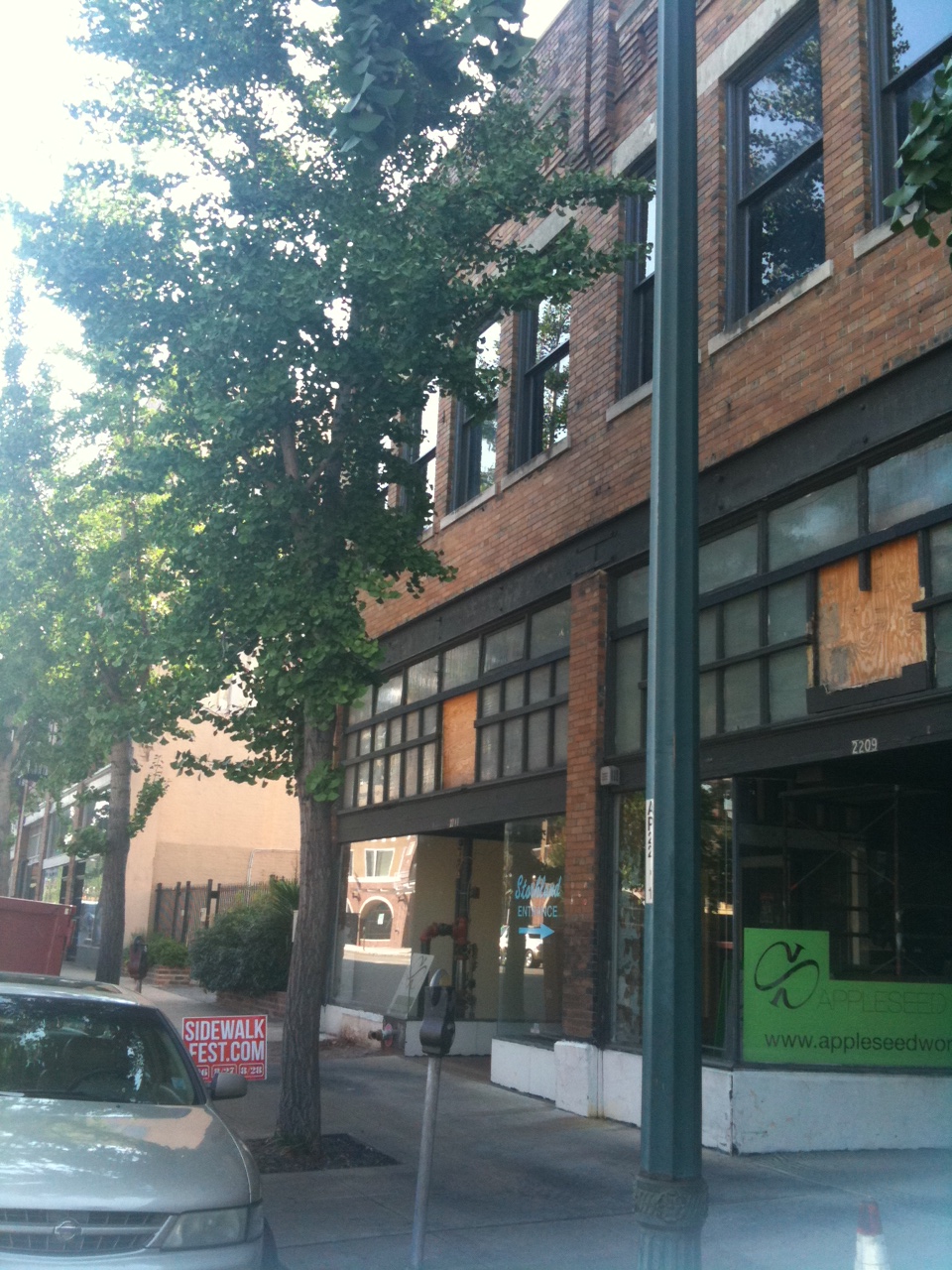
Approval was also given to new steel and wood awnings which will shelter outdoor seating at El Barrio, the new restaurant opening in November to be run by the same guys who turn out the excellent food at Trattoria Centrale (pic above shows the exterior space for the new restaurant in the 2200 block of 2nd Avenue North). However, a request for exterior signage was sadly tabled. More on this in our next post.

[thanks to Richard Rauh for the conceptual rendering]