Category Archives: Uncategorized

Home run?

Getting closer

The Birmingham News ran a story yesterday which pinpoints the proposed location of the new Barons Ballpark (see News graphic above). The facility itself would be entered from 14th Street or a 15th Street Plaza, with stands arranged on the SW corner of the site facing the downtown skyline. The outfield faces Railroad Park from across First Avenue South. Ancillary structures (assumedly patron and team amenities/facilities) and a Negro League Museum flank the ballpark along First Avenue; “future developments”, i.e. related private investments, are shown on property to the south.

It is rare to see a ballpark facing another public park like this. The reason is that typically a City will use a park like Railroad Park to encourage private investments in the immediate area; that same City will use a baseball park in a similar way. By putting the outfield right up against First Avenue, the City in effect gives up the ability to market each public frontage to private development.
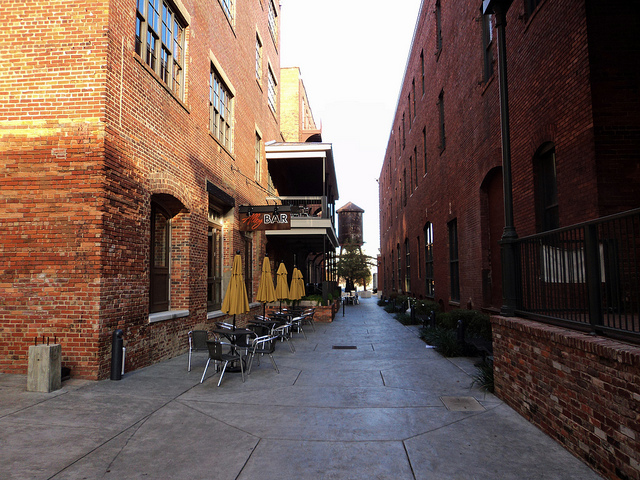
From serving loading docks to serving urban consumers

Knowing how hard it’s been to assemble property (and two owners are still holding out at either corner of First Avenue), this siting may not have had much flexibility. If indeed the ballpark ends up as shown in the graphic, it’s essential that the design handles the outfield edge creatively, so that it animates that frontage even when the ballpark is dark and empty. Additionally, it would be wonderful if some of the old warehouses and alleyways in the adjacent “Parkside” district could be retained and rejuvenated (the Alley off Tallapoosa Street in downtown Montgomery, pictured above, is a direct result of private investment around their riverfront ballpark). A combination of historic restoration and new construction would be a great mix for the new district (which we also hope will have sharp, creative district branding–see our previous post on this).
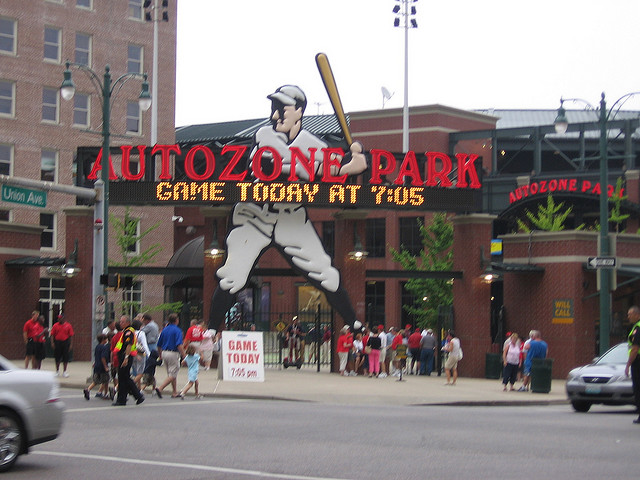
It worked in Memphis

The downtown ballpark built in Memphis 8 years ago (above) has rejuvenated an 8-block area; once desolate and boarded up, it now sports restaurants, bars, and apartments. As this project develops in Birmingham, we’ll continue to advocate for the best possible architectural and urban design.  Because we want this project not just to compete with Montgomery or Memphis. We want it to be better. And to exude that quirky, undefinable quality that is the Magic City.

[thanks to the News for the graphic; larry miller for the Alley pic; dragonmistral for the Autozone pic]
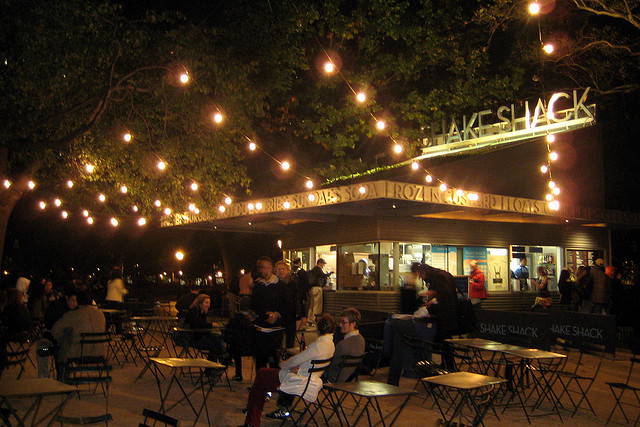
 

Pulling them in

Epicurean and design delight

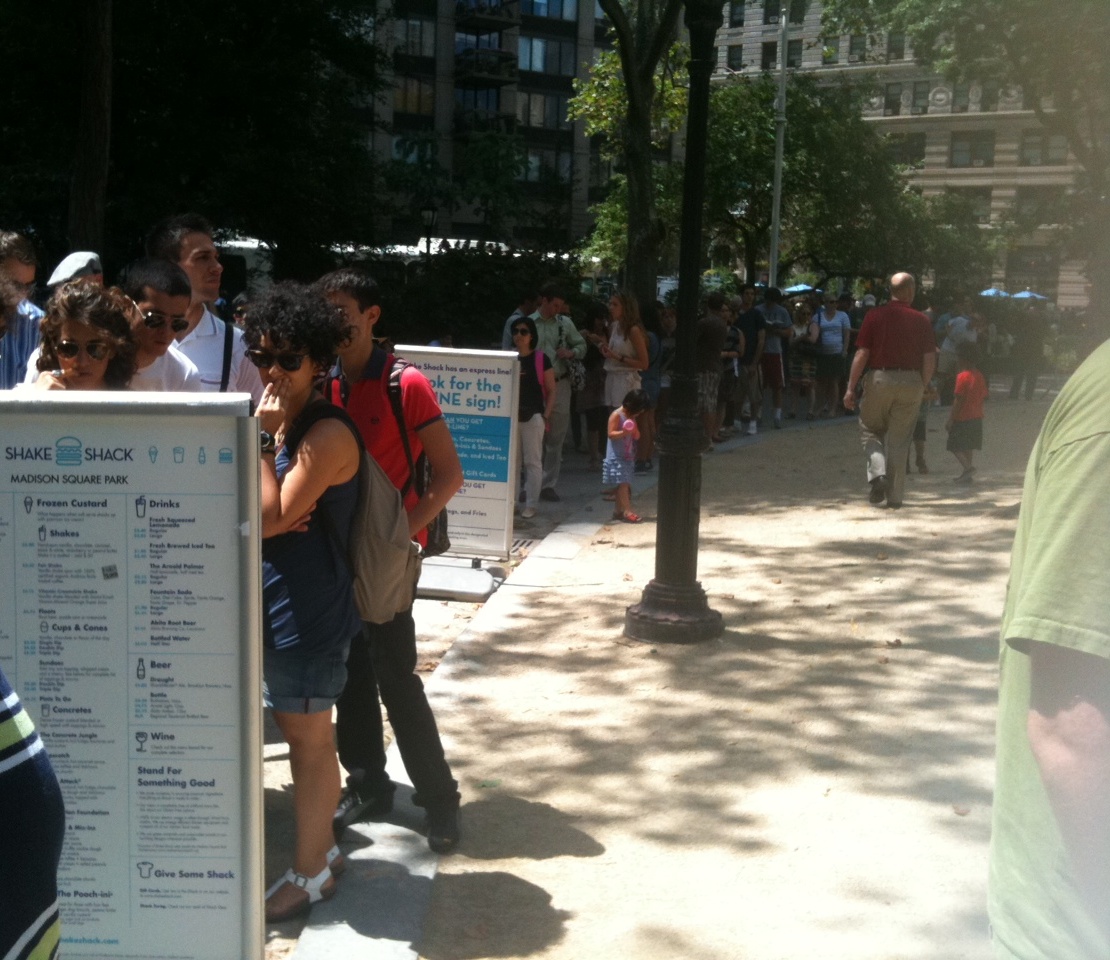
Headed back from a long trip abroad, we had a day to spend in New York. As lunchtime approached, on a gorgeous (and low humidity) day, we decided to try the famous Shake Shack in Madison Square Park (night shot above). This “50’s burger-shack-modern”-style structure was impressive. Its scale is small and nestles in a corner of the park; the roof and back wall are covered with vine-wrapped trellises to help blend in with surrounding foliage; the bold signage and cool menu graphics are fun without feeling trendy.   It was designed by the NYC firm SITE and opened 7 years ago.

Believe it or not, it was worth the wait

Above is a shot of the line (roughly 30 minutes) that we stood in; initially we were dubious,  but as friends realized where we were, they sent jealous messages assuring us we were in for a treat. Indeed we were–right-sized portions of fantastic, fresh food, perfectly suited to the setting.  Birmingham continues to strengthen its foodie culture, with local chefs receiving national awards regularly.  Perhaps the new Barons baseball park to be constructed downtown could showcase similar, creative food concepts rather than the predictable chains. If we construct a new neighborhood, let’s entice the best of local talent to help sate our appetites.

UPDATE: For an in-depth article on Shake Shack’s creator, Danny Meyer, see the article from yesterday’s New York Times Magazine.

[thanks to wallyg for the night pic]

Back to reality

Maybe it does still have a purpose

Your author has returned to Birmingham after a month’s absence in less humid climes. There’s nothing like 100 degree weather to make you question the wisdom of coming back.

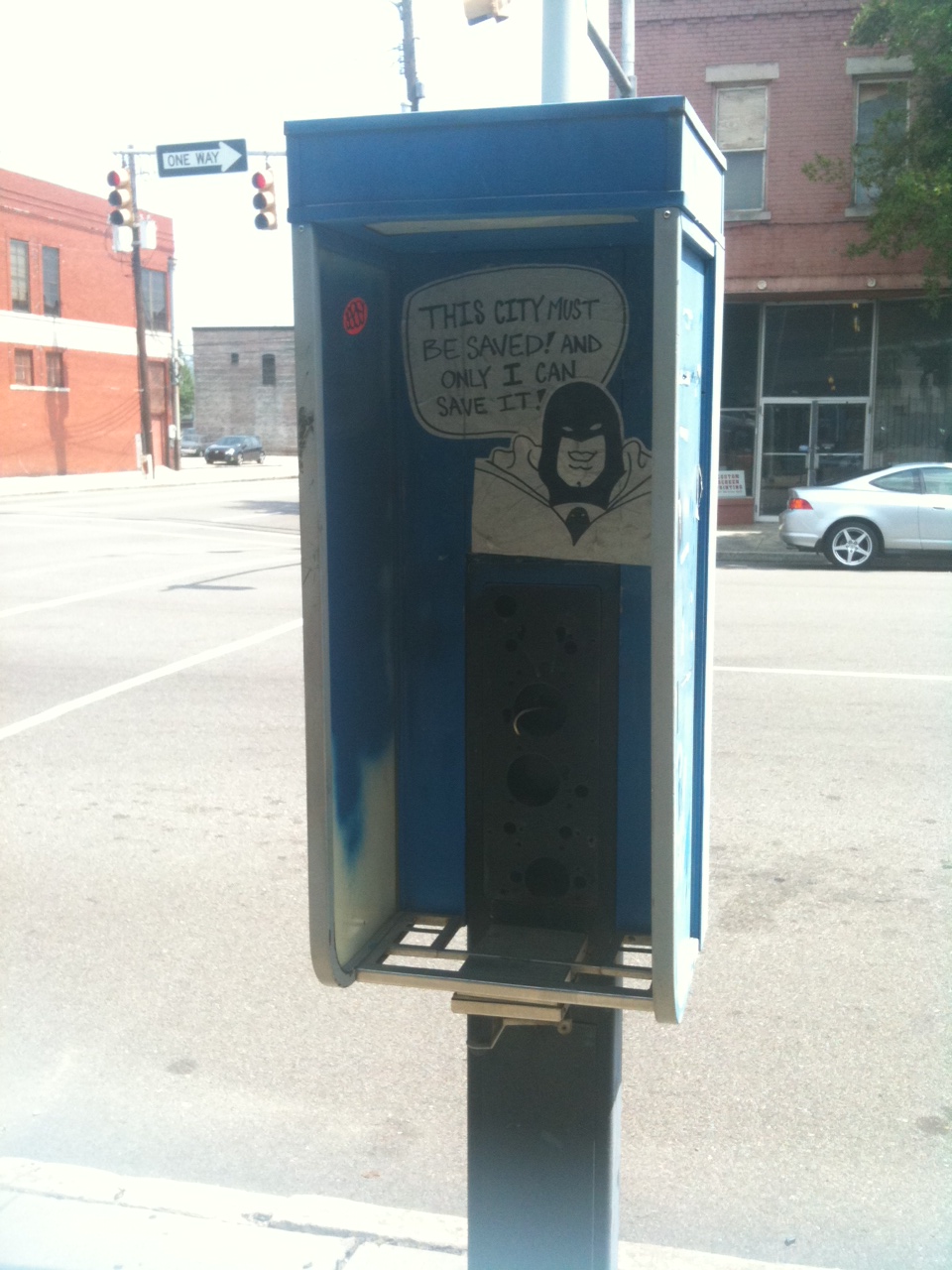
The empty phone booth outside the office (2300 block of 2nd Avenue North)–inspiration for an earlier post on phone booth art–was still in the same old, dilapidated and hollowed-out state. But intriguingly, someone had pasted a piece of artwork inside, showing a masked superhero declaring “This City must be saved! And only I can save it!”

Seeing that out my office window makes me think: this city is worth saving. Are there superheroes out there? Not in real life. “Saving” a city takes many people from all walks of life cooperating together to create something bigger than themselves and their own interests.

So humidity or not, let’s roll up our sleeves and jump back in. More soon.

Design = change

Elevating the social importance of design

July 21-24 will see leaders from AIGA, the national professional association for design, partnering with local designers in Birmingham for a design summit dedicated to the notion that the design community can affect social change. This event is modeled on the Aspen [Co] Design Summit of 2009.

A mix of local and national design team leaders will engage participants on issues such as natural resources and Alabama’s public image.  A public reception will be held at Alagasco downtown (20th Street and Powell Avenue) Friday evening July 22 to showcase initial brainstorming sessions. Check out alabamaengine.org for more information (coming soon!). It’s fantastic that Birmingham, with its wealth of good designers from many disciplines, will be hosting this event.

According to Matt Leavell of Auburn University, one of the organizers, this is part of an effort to “position designers as thought leaders, and to develop solutions to complex problems. Organizations don’t usually have the time themselves, so we’re stepping in to fill the gap.” It will be exciting to see what design solutions come out of this conference.

A respite from urban travails

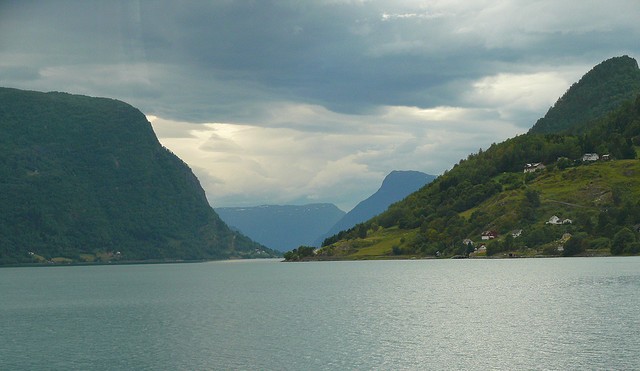
And with that, the author of this blog is embarking on a honeymoon trip to the Norwegian fjords that will last the bulk of July. We will be back with regular posts the first week in August. Everyone stay cool in the big city until then.

[thanks to rev dan catt for the design pic, and atari123 for the fjord]

People and cars

Different priorities

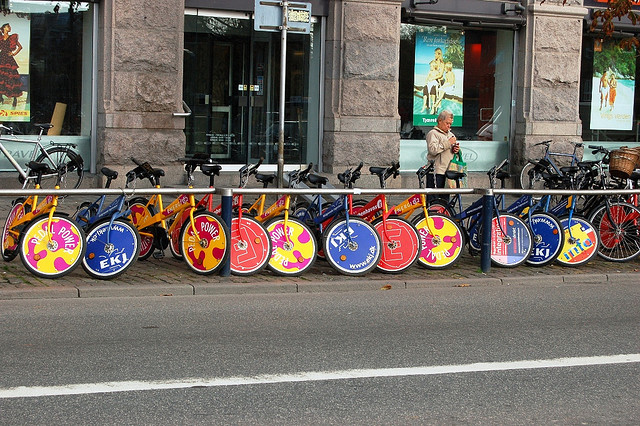
European cities are moving aggressively to promote alternative forms of transport to the car in their downtown areas, not just with friendly programs like easy public bike rental stands (one in Copenhagen is pictured above), but with  programs that are downright unfriendly to the automobile: street closings, traffic light sequences designed to slow car commutes; disappearing parking spaces; hi gas taxes and usage fees. An article in the New York Times discusses this in depth.

Lots of public expenditure for warehousing single-occupancy cars

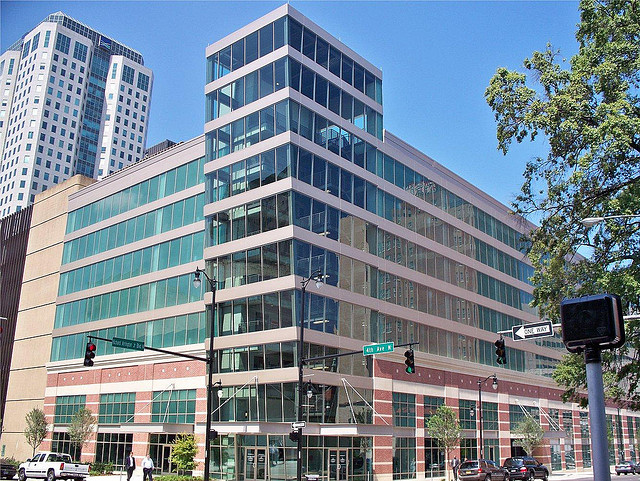
Meanwhile, with a few exceptions, American cities are still overwhelmingly planning their cities around the automobile (above is a large parking deck recently finished in downtown Birmingham whose volume is almost entirely given over to the daytime warehousing of single-occupancy vehicles. At night, its eerie fluorescent lights hum over thousands of empty square feet at a prominent intersection, Richard Arrington Blvd. and 4th Avenue North).

Current zoning laws require far too much parking for certain uses in certain urban environments. Even when they don’t, market forces–including lending institutions which refuse to contemplate anything but car-centric projects–end up mandating the same car-dependent situation. European cities have learned that vibrant center cities are vibrant because of people, not vehicles. Public policy, gas taxes, and history make this an easier sell over there. Here, it’s a lot easier to pave a road for cars than to stripe a lane for bikes, or construct a decent transit system. We can’t turn ourselves into Europeans, but we could sure learn a lesson or two.

[thanks to mreames for the bikes shot; terry mccombs for the parking deck shot]

More signs of progress

Committed

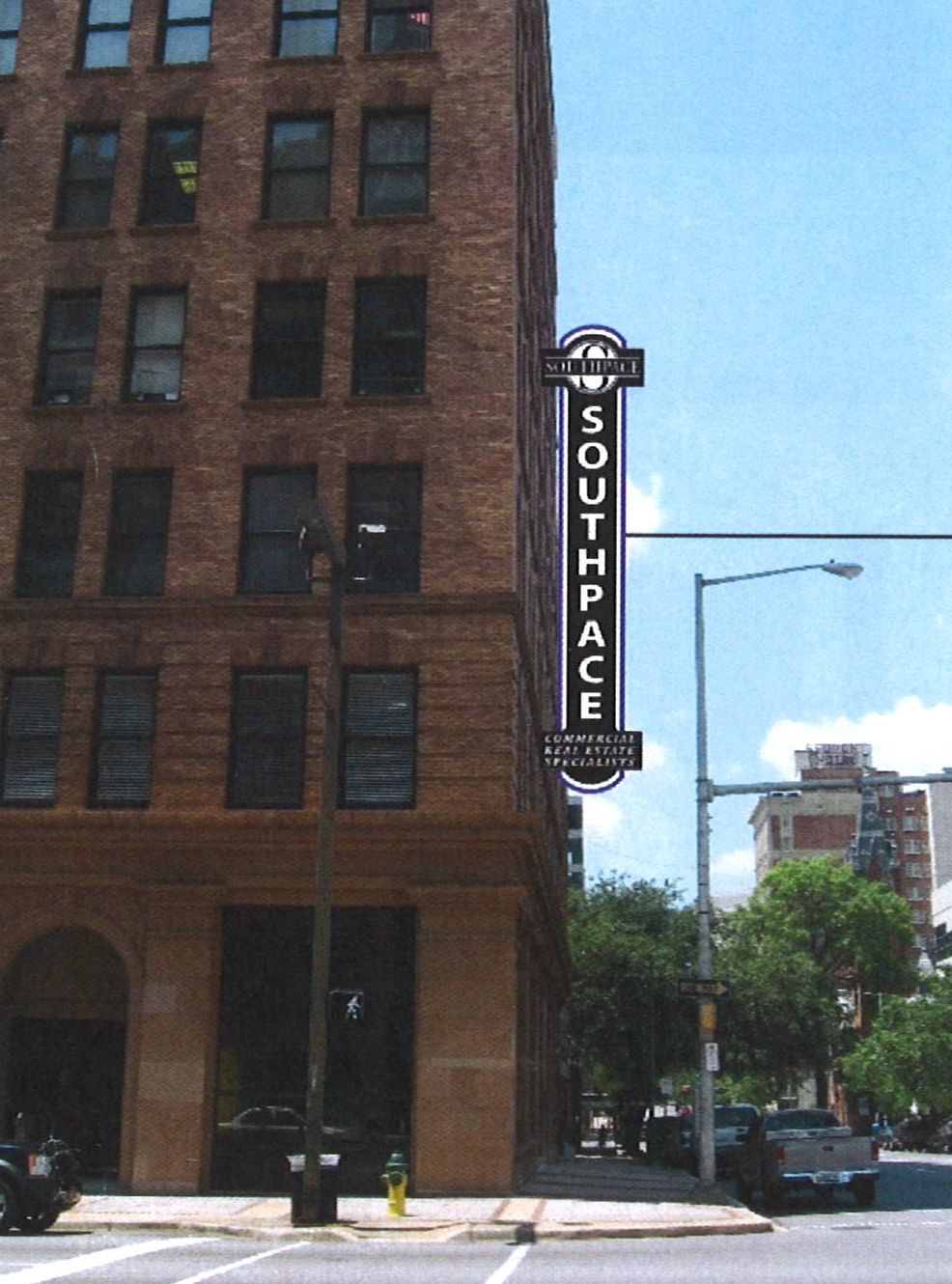
This morning at Design Review Committee, several sign packages were approved. Above is a rendering of the new illuminated, projecting sign for Southpace Properties, the commercial real estate firm located in the historic Title Building at the corner of Richard Arrington Blvd. and 3rd Avenue North. Slogging out of a brutal recession that’s been crippling to the commercial real estate market, this sign is a hopeful indicator that firms like Southpace intend to stick around and that development will continue. The proportion and illumination mimics the original projecting signs installed in the 1920’s on this building; its unanimous approval signals a welcome reversal to the city’s aversion to projecting signs which started in the 1970s (it became fashionable to consider projecting signs old-fashioned and messy). If they’re designed nicely, and proportional, projecting signs are an important part of the urban fabric. Downtowns look blank and forlorn without them.

A big investment on a big corner

Above is the approved awning and signage package for the front of MetroPrime, a new steak house and bar in Five Points South right on the circle, in the former location of the Mill restaurant. Described as an upscale steak house, the restaurant will also feature a casual bar/cafe side with its own, lower-priced menu. After several half-hearted attempts to open slightly revised versions of the Mill over the last few years, it’s exciting to see a totally new concept for this crucial corner. The large outdoor patio will remain open for dining. Plans are to be open by August.

Back to the boards

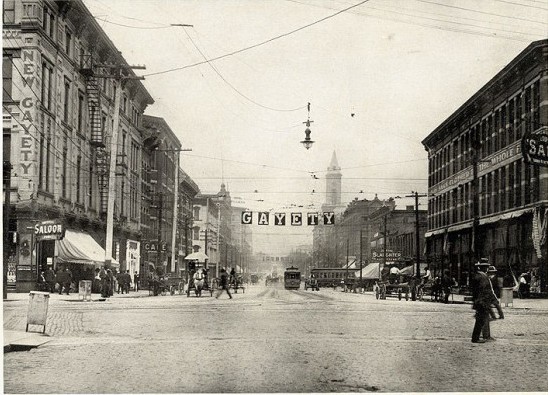
On a final note, the committee rejected Corporate Realty‘s plan to paint the former Saks building (pictured above to the right, in 1908: you are looking north along 19th Street North with First Avenue just ahead) in shades of grey and white. The red brick building, accented with cast stone and metal, is in very good condition and the committee objected to its character being simplified and homogenized by the paint scheme. Perhaps it would be ideal to clean the existing red colored paint from the red brick, and leave the existing details distinct.

[thanks to Southpace and Reliable Sign Services for the sign rendering, MetroPrime and CityVision for their rendering, and Birmingham Public Library for the historic image]

Modernist redux

New life coming soon

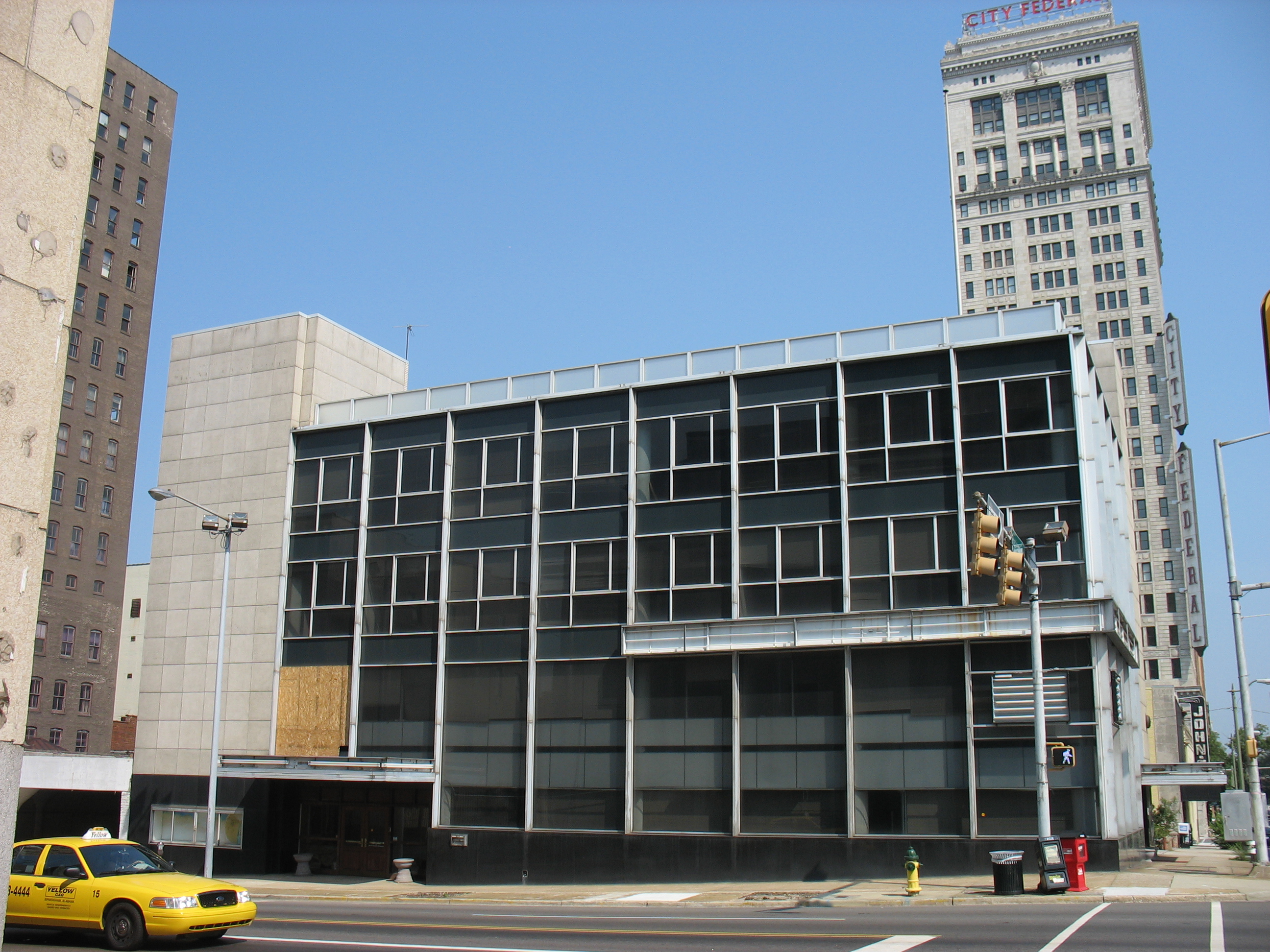
This morning at Design Review Committee, conceptual approval was given to a proposed renovation of the international-style modernist building (above), originally designed as First Federal Savings and Loan headquarters by architect Charles McCauley. The new owner (Synergy Real Estate, LLC) plans a restaurant and bar on the ground floor, including a large outdoor patio with a stage for music. A small corner patio is carved out of the front of the building as well. The owner must return with more detail, and must separately satisfy the Central City neighborhood that noise from any outdoor stage won’t affect nearby residents. The owner’s representative stated that while they have not inked a lease yet, they are in serious discussions with two potential restaurateurs. The Columbus, GA design firm of 2WR prepared the preliminary renderings. The building is at the NW corner of Richard Arrington Blvd. and First Avenue North.

Additionally, the Committee approved the Walgreens concept for their new Clairmont Avenue location, with conditions–meaning the developer must return with revised plans. Among the conditions:

1. Create a more animated facade along Clairmont, relieving the expanse of blank brick currently shown;

2. Provide a main pedestrian entrance on Clairmont, in addition to the side parking lot entrance currently shown;

3. Reconsider the size of signage;

4. Show street context, including the modernist jewel of Henry Sprott Long, which would be overshadowed by the much larger drugstore. The current plan has the drugstore coming to within just a few feet of the side property line, leaving a total of perhaps 6 feet between the two buildings.

Stay tuned for more on both of these projects.

UPDATE: the Walgreens developer Connolly Net Lease and the local architect Blackmon Rogers have sent us the current site plan and Clairmont Avenue renderings (note Henry Sprott Long is located about 6′ to the left, or west, of the drugstore and about halfway back).

Site plan--subject to change

Clairmont Elevation also subject to change

Design Review Alert

It’s historic too

Tomorrow morning at Design Review Committee, the conceptual design for the proposed Walgreens drugstore on Clairmont Avenue South will be presented. The most recent plan, informally shown to neighbors and community stakeholders, was discussed in a previous post here.

The meeting will be at 7:30 AM, Young and Vann building, 1731 First Avenue North, 3rd Floor.

This proposal is important because it accommodates the historic Fire Station No. 22, while demolishing several structures in-between the Fire Station and the mid-century modern office of Henry Sprott Long Architects (in continuous operation at this location for about 50 years), shown in the photo above. The drugstore’s relationship to both historic buildings, its new parking lot and drive-through, and its formal character along Clairmont should be discussed in the morning.

The public is invited to attend.

More for Lakeview

Coming to a college town near you

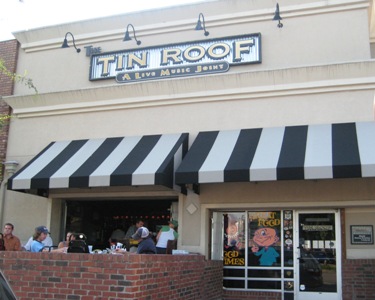
The Tin Roof Bar franchise is opening it’s latest branch in Birmingham’s Lakeview District, in the 2700 block of 7th Avenue South (location of former dive bar T.C.’s). The venue will have live music and a menu that claims to be a step above “bar food”. Originally from Atlanta, the chain markets to college students/recent grads and has locations in Nashville, TN (pictured above); Lexington, KY; Columbia, SC; and Knoxville, TN.

The storefront space in this historic district has been vacant for some time since T.C’s closed; the Design Review Committee gave its approval to facade improvements and signage this morning. With Slice opening soon around the corner, and Huey’s  planned right down the street, there will be fewer vacancies and more evening choices in this center city district. Cheers.

Preservation/sanitization

Provoking the consumer of the urban environment

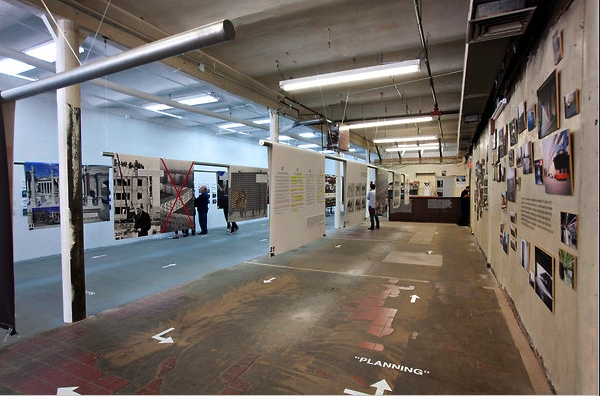
On view now in New York City is a show orchestrated by architect/urbanist Rem Koolhaas and the New Museum called “Cronocaos” (read the review in the New York Times). Located appropriately in an old equipment supply store next to the museum, the show explores what Koolhaas sees as the disturbing tendency of modern cities to use preservation as a tool to erase certain layers of the past, and to “sanitize” the urban environment for upscale tourism and consumption.

Controversial by design, the show questions the darker side of the preservation movement, where developers, governments, and preservation agencies unite over projects that displace the poor, and benefit tourists and upper-income consumers. It’s apt the show’s located on the Bowery, until recently a byword for poverty and soup-kitchens (and good punk rock venues); it’s now brimming with upscale boutiques, hotels, and condos.

A different case for preservation?

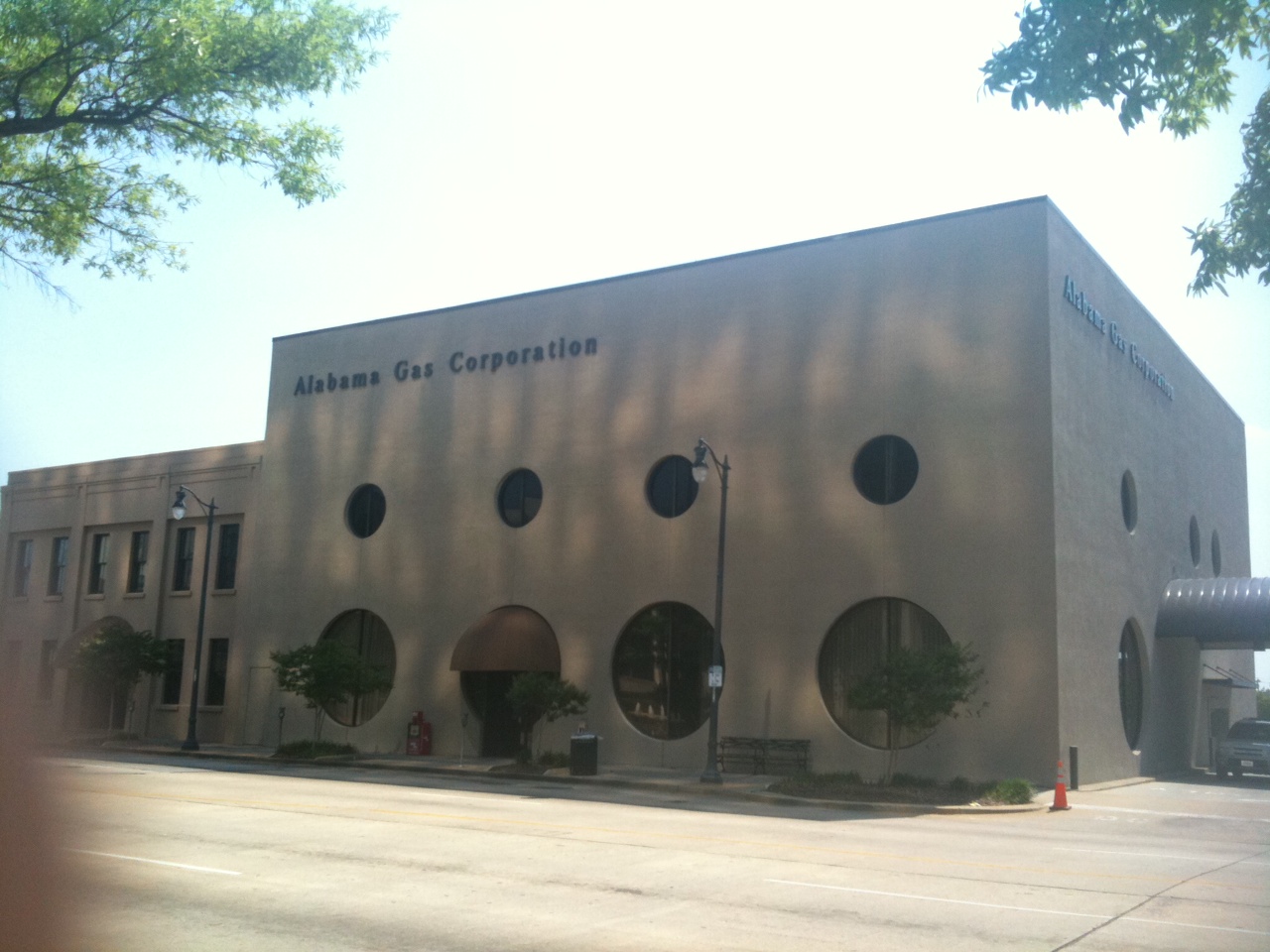
Since the shotgun houses of the poor were long ago cleared from Birmingham’s central city, there are few residents to “displace” here; much of our own preservation movement has converted old commercial structures into residential, bringing new populations into what had hitherto been exclusively commercial areas. Perhaps more relevant is Koolhaas’ lament of the “sanitizing” nature of a lot of historic preservation, where messy but fascinating layers of time are erased to create a faux-historic environment at odds with any historic reality. Further complicating this is the fact that we’re willing to create new buildings in vague “period” styles, often diminishing the power of nearby, truly historic buildings (this was the argument against the imminent “historicizing” of the Alagasco building downtown, whose current 1960s self is shown above).

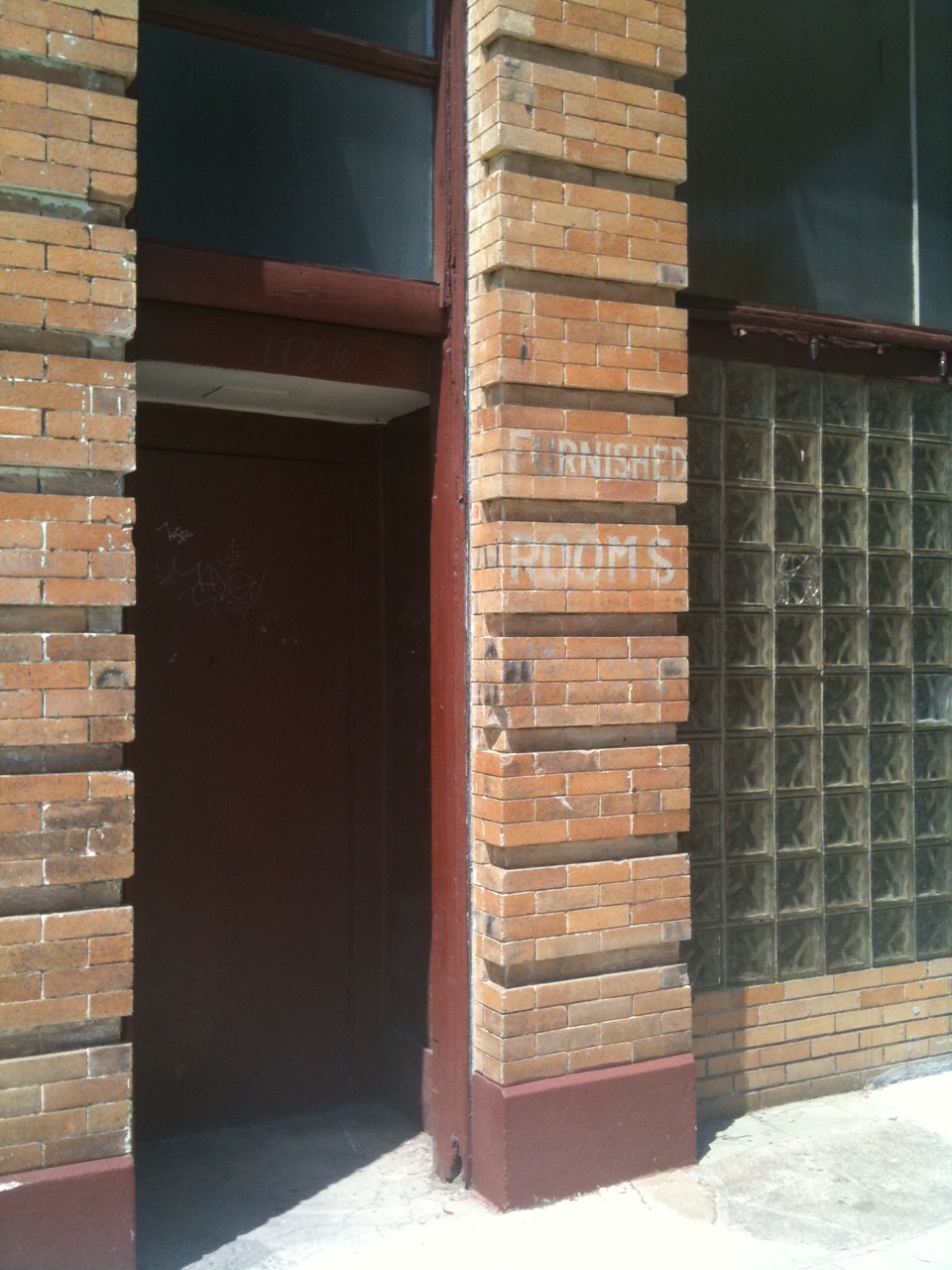
$50 a week on 24th Street North

Right down the street from our office–24th Street North–is a small two-story building which in the not-too-distant-past was a boarding house offering “furnished rooms” from $50/week. The painted sign advertising this can still be seen on the brick. While the boarders have long departed, it’s preserving this sort of quirky authenticity that Koolhaas is arguing for (a dreadful oversimplification I know). Anyone who is interested in the complexities of urban space and historic preservation: if you are lucky enough to be in New York before June 5, see this show!

[thanks to the New York Times for the exhibition pic]